Fat transfer to the face is Tampa's most-requested alternative to synthetic fillers in 2026—and for good reason. This guide explains who the procedure is right for, what to evaluate before you book, and what to watch out for when comparing it to hyaluronic acid fillers.
TL;DR: Fat transfer to face Tampa uses your own harvested fat to restore cheek volume, hollow temples, and under-eye troughs. Results last years longer than standard fillers—often 5+ years versus 6–18 months—because the transferred fat integrates with living tissue. It requires real surgery and one to two weeks of downtime, making it the right call for patients who are tired of repeat filler appointments but wrong for anyone who wants zero recovery. Castellano Cosmetic Surgery Center in Tampa performs this procedure as both a standalone treatment and as part of broader facial rejuvenation.
Why This Matters in 2026
Hyaluronic acid fillers like Juvederm and Restylane have a repeat-purchase problem: you are back in the chair every 6 to 18 months. The American Society of Plastic Surgeons reported that fat grafting procedures increased by double digits over the three years leading into 2026, driven largely by patients wanting permanent-adjacent results without foreign materials. In Tampa's competitive cosmetic market, more practices offer fat transfer, but the technique quality varies dramatically—which makes choosing the right surgeon the single most important variable.
Who This Is For
This guide is written for Tampa-area adults who have already tried dermal fillers, liked the volumizing effect, but dislike the recurring cost and maintenance schedule. You are probably in your late 30s to 60s, you have enough donor fat on your abdomen, flanks, or thighs for harvest, and you want a result measured in years rather than months. If you have never had fillers and are exploring volume restoration for the first time, fat transfer is a reasonable starting point—but the surgical nature of the procedure means it carries more upfront commitment than a syringe.
What to Look For in Fat Transfer to Face in Tampa
Surgeon Board Certification and Fat Grafting Volume
Fat transfer to the face is a two-part surgery: liposuction to harvest the donor fat, then injection into precise facial planes. A surgeon who performs primarily body contouring but rarely does facial fat grafting will not have the same spatial precision as one who does both routinely. Ask specifically how many fat grafting procedures they perform per month in 2026—not total liposuction cases.
Centrifugation and Processing Protocol
How the harvested fat is processed before re-injection determines how much survives long-term. Centrifugation at the correct speed removes blood and oil without destroying adipocytes. Practices that skip structured processing and re-inject raw lipoaspirate see lower fat survival rates, typically 30–50% versus 60–80% with refined technique. Ask whether the practice uses a closed, sterile processing system.
Donor Site Assessment
Not every patient has sufficient donor fat for a meaningful facial correction. You need roughly 50–100 cc of processed fat for a full facial treatment covering cheeks, temples, and under-eyes. A surgeon who clears every consultation without assessing donor site quality is a red flag. Thin patients or those who have lost significant weight may not be good candidates in 2026.
Anesthesia Setting and Facility Accreditation
Facial fat transfer in Tampa is performed under either local anesthesia with sedation or general anesthesia, depending on the scope of work. The facility must be accredited (AAAHC or JCAHO) or hospital-affiliated. An in-office procedure with no formal accreditation is a meaningful safety gap, not a cost convenience.
Realistic Volume Expectations and Touch-Up Policy
Fat survival is never 100%. Most surgeons overcorrect by 20–30% at the time of injection to account for reabsorption during the first three months. Ask upfront whether the practice includes one touch-up injection in the fee or charges separately. This single question tells you a lot about how transparent a practice is about realistic outcomes.
Combination Procedure Compatibility
Many Tampa patients combine facial fat transfer with a facelift, brow lift, or eyelid surgery in 2026 to address both volume loss and skin laxity in one operative session. If you are considering multiple procedures, the surgeon must be comfortable planning fat transfer within a larger facial surgery rather than treating it as a separate product.
Top Picks for Facial Fat Transfer in Tampa
The Established Full-Service Center — Castellano Cosmetic Surgery Center
The safe pick for patients who want surgical and non-surgical options under one roof. Castellano Cosmetic Surgery Center in Tampa offers fat transfer to the face alongside its full range of surgical procedures, which matters because the best fat transfer patients are often candidates for complementary body contouring at the donor site. The practice treats the liposuction harvest as a functional step, not a secondary consideration. Verdict: Buy for Tampa patients who want a board-certified environment with documented experience across both facial and body procedures.
The High-Volume Filler Practice That Added Fat Transfer
The wildcard. Several Tampa med spas added fat transfer to their menus in 2024–2025 after filler demand plateaued. Volume is high, pricing is often lower, but these practices built their reputation on injectables rather than surgery. Fat grafting done in a non-accredited med spa environment introduces avoidable risk. Verdict: Consider only if the supervising surgeon is board-certified in plastic surgery and the facility is formally accredited—otherwise Skip.
The Academic or Hospital-Affiliated Plastic Surgery Group
The conservative institutional pick. Academic programs in the Tampa Bay area offer fat transfer with resident involvement and attending oversight. Results are technically sound; scheduling timelines are longer and the experience is less personalized. Pricing is similar to or higher than private practice in 2026. Verdict: Hold unless you have a complex medical history that warrants institutional support.
What to Avoid
- "Nano-fat" marketing without explanation. Nano-fat (ultra-emulsified fat processed through small needles) has legitimate uses around the eyelids and lips, but some practices use the term to describe poorly processed fat or justify under-harvesting. If a practice leads with the nano-fat label but can't explain the processing difference from standard fat grafting, walk away.
- Pricing under $2,500 for a full facial fat transfer in Tampa. The going rate in 2026 for a full facial fat transfer—including anesthesia, facility, and surgeon fee—runs $4,000–$8,000 depending on scope. Prices significantly below this range mean corners are being cut somewhere: donor site assessment, anesthesia level, or processing protocol.
- Practices that downplay downtime. You will have swelling and bruising for 10–14 days. The overcorrection during the first 4–6 weeks means you will look overfilled before the final result settles at the 3-month mark. Any surgeon who tells you recovery is "just a long weekend" is managing your expectations dishonestly.
Comparison Table
| Criteria | Fat Transfer (Tampa, 2026) | HA Filler (e.g., Juvederm) |
|---|---|---|
| Longevity | 3–7 years (surviving fat permanent) | 6–18 months |
| Material | Your own fat | Hyaluronic acid (synthetic) |
| Downtime | 10–14 days | None to 2 days |
| Cost (Tampa) | $4,000–$8,000 one time | $700–$1,500 per session |
| Reversibility | Not reversible | Reversible with hyaluronidase |
| Donor site benefit | Minor body contouring at harvest site | None |
| Anesthesia required | Yes (sedation or general) | Topical only |
| Risk of foreign body reaction | None | Rare but possible |
FAQ
What is fat transfer to the face and how does it work in Tampa?
A surgeon harvests fat from a donor site—typically abdomen or flanks—via small-cannula liposuction, processes it to remove blood and oil, then injects it into targeted facial areas like cheeks, temples, or under-eyes. In Tampa, the procedure is performed at accredited surgical centers under sedation or general anesthesia and takes 1–3 hours depending on scope.
How long does facial fat transfer last compared to fillers?
Fat that survives the initial 3-month reabsorption phase is considered permanent. Most patients retain 60–80% of transferred volume long-term, giving results that last 3–7 years. Standard HA fillers last 6–18 months. Over a 5-year window, fat transfer typically costs less in total than repeated filler appointments.
How much does fat transfer to the face cost in Tampa in 2026?
Full facial fat transfer in Tampa ranges from $4,000 to $8,000 in 2026, including surgeon fee, anesthesia, and facility. Partial treatments (single area only, such as under-eyes) may start closer to $3,000. This is a one-time fee versus $700–$1,500 per HA filler session every 12–18 months.
Am I a good candidate for fat transfer to face in Tampa?
Good candidates are adults in stable health with enough donor fat for harvest (typically 50–100 cc processed), realistic expectations about the 3-month settling period, and the ability to take 10–14 days of social downtime. Patients who are very lean, smokers, or have active skin conditions may not be ideal candidates in 2026.
Is fat transfer to the face safer than fillers?
Both are safe when performed correctly. Fat transfer carries surgical risks—infection, asymmetry, donor-site bruising—while fillers carry a small risk of vascular occlusion if injected incorrectly. Fat transfer eliminates the risk of foreign-body reaction because the material is your own tissue. The key variable is provider skill, not the material itself.
Can fat transfer be combined with a facelift in Tampa?
Yes. Combining fat transfer with a facelift is common in 2026 because the two procedures address different issues: the facelift corrects skin laxity and the fat transfer restores volume. Doing both in one operative session reduces total recovery time compared to staging them separately.
What happens if I don't like the results of fat transfer to my face?
Fat transfer is not reversible the way HA fillers are. If too much volume is placed, the only correction is surgical excision or waiting for natural reabsorption over months to years. This is why choosing an experienced surgeon who knows how to calibrate overcorrection is critical—not a reason to avoid the procedure, but a reason to be selective.
How do I choose between fat transfer and Sculptra for facial volume in Tampa?
Sculptra stimulates collagen over multiple sessions (typically 3 sessions spaced 4–6 weeks apart) and costs $800–$1,500 per session in Tampa in 2026. Fat transfer is a single surgical session with longer-lasting volume. Sculptra suits patients who want gradual, non-surgical improvement; fat transfer suits those who want a definitive volumizing result and can tolerate surgical recovery.
One Last Thing
The 3-month mark is the honest result. Surgeons who show you "after" photos taken at 2–4 weeks are showing overcorrected, still-swollen tissue—not the final outcome. Always ask to see results photographed at 3 months or later. That single request will tell you more about a practice's transparency than any before-and-after gallery.
Related Guides
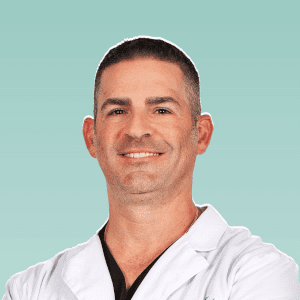
Author: Dr. Joseph Castellano
Dr. Joseph Castellano is a native Floridian who grew up in the Tampa Bay area. After medical school and residency, Dr. Castellano returned home and has opened a practice in Tampa, Florida focusing on breast augmentation, abdominoplasty, liposuction, facelift, and eyelid rejuvenation. He is a member of the American Board of Cosmetic Surgery, American College of Surgeons, and American Medical Association