Preparation is the biggest variable you control before a tummy tuck — and most complications trace back to skipped steps, not surgical error. This guide covers exactly how to prepare for tummy tuck surgery at a Tampa practice, from the 6-week mark through the morning of your procedure.
TL;DR: Preparing for a tummy tuck means stopping smoking at least 6 weeks before surgery, adjusting medications 2 weeks out, arranging 2–3 weeks of hands-on recovery support, and completing pre-op lab work and your surgical clearance appointment. Patients at Castellano Cosmetic Surgery in Tampa follow a structured pre-op protocol that directly affects healing speed and result quality. Skipping any step — especially smoking cessation or blood-thinner management — raises your complication risk significantly.
Why preparation determines your result
A tummy tuck (abdominoplasty) is a major surgical procedure. The surgeon removes excess abdominal skin, tightens separated or weakened abdominal muscles, and repositions the navel. Recovery runs 2–6 weeks depending on procedure type. What happens in the weeks before surgery — your lab values, your medication list, your home setup — sets the ceiling for how well and how fast you heal.
In 2026, board-certified plastic surgeons consistently point to three pre-op failures as the top drivers of poor outcomes: active nicotine use, undisclosed medications, and inadequate recovery support at home. All three are entirely within your control.
What you'll need
- Time off work: Minimum 2 weeks for a desk job; 4–6 weeks for physical labor
- A designated caregiver: One adult available full-time for at least the first 72 hours post-op
- Prescription fills: Pain management, antibiotics, and anti-nausea medications ready before surgery day
- Compression garment: Usually provided by your surgeon — confirm before your pre-op appointment
- Recliner or wedge pillow: You'll sleep at a 30–45 degree angle for 2–3 weeks
- Medical-grade straws and loose clothing: Button-front or drawstring waist only
- Lab work and surgical clearance: Ordered by your surgeon, typically completed 1–2 weeks before surgery
Step-by-step: how to prepare for tummy tuck surgery
Step 1 — Stop smoking and nicotine entirely (6 weeks before)
Nicotine constricts blood vessels and cuts oxygen delivery to healing tissue. The result is delayed wound healing, higher infection rates, and in worst cases, tissue necrosis — where skin at the incision line dies. Most board-certified surgeons require complete nicotine cessation — cigarettes, vaping, patches, and gum — at least 6 weeks before surgery and 6 weeks after.
This is a hard cutoff, not a suggestion. If your surgeon tests cotinine levels (a nicotine metabolite) at your pre-op appointment and finds active use, your surgery will be rescheduled. In 2026, cotinine screening is standard protocol at reputable Tampa practices.
Common mistake: Switching from cigarettes to a patch or vape and assuming it counts as quitting. It does not. Any nicotine source triggers the same vascular response.
Step 2 — Audit your medications and supplements (2–4 weeks before)
Present your full medication and supplement list at your consultation. Your surgeon will flag anything that increases bleeding risk or interferes with anesthesia. Stop the following at least 2 weeks before surgery unless your surgeon explicitly clears them:
- Aspirin and NSAIDs (ibuprofen, naproxen)
- Vitamin E supplements
- Fish oil and omega-3 concentrates
- Herbal supplements — especially garlic, ginkgo, ginseng, and St. John's Wort
- Blood thinners (warfarin, eliquis) — never stop these without coordinating with your prescribing physician
Expected outcome: Lower intraoperative bleeding, cleaner surgical field, reduced bruising in recovery.
Step 3 — Complete lab work and your pre-op appointment (1–2 weeks before)
Your surgeon will order standard pre-operative labs: complete blood count, metabolic panel, coagulation studies, and possibly an EKG if you're over 45 or have cardiac history. These are not optional. Abnormal results — low hemoglobin, elevated clotting times — will delay surgery until corrected.
The pre-op appointment itself typically runs 45–60 minutes. Bring a list of every medication and supplement. Your surgical team will review post-op instructions, photograph the surgical area for the medical record, and confirm your anesthesia plan. In Tampa, this appointment also confirms your designated driver and caregiver arrangement — practices will not clear you for surgery without verified post-op transportation.
Common mistake: Treating the pre-op appointment as routine paperwork. It's the last checkpoint where problems get caught before they become OR complications.
Step 4 — Optimize your nutrition and hydration (3–4 weeks before)
Protein is the building block of wound healing. Target 1.2–1.5 grams of protein per kilogram of body weight daily in the 3–4 weeks before surgery. Adequate hydration — at minimum 64 oz of water daily — keeps tissue oxygenated and supports anesthesia metabolism.
Avoid crash dieting or aggressive caloric restriction before surgery. A tummy tuck is not a weight-loss tool, but arriving malnourished dramatically slows healing. Your surgeon may recommend a pre-op nutritional supplement if your diet is borderline.
Common mistake: Starting a strict diet the week before surgery. Glycogen depletion weakens immune response right when you need it most.
Step 5 — Set up your recovery space (1 week before)
Your home needs to be surgery-ready before you leave for the hospital. You will not be bending, lifting over 10 pounds, or reaching above your head for 3–6 weeks post-op.
- Move daily-use items to counter height — nothing stored below waist or above shoulder
- Pre-cook and freeze 1–2 weeks of easy meals
- Set up a primary recovery station (recliner or propped bed) with phone charger, medications, water bottle, TV remote, and toiletries within arm's reach
- Place a raised toilet seat if your bathroom requires significant bending to sit
- Arrange pet care — dogs and cats cannot jump on healing incisions
Expected outcome: A functional recovery space means your caregiver spends less time fetching items and more time monitoring your actual recovery.
Step 6 — Follow the night-before and morning-of protocol exactly
Your surgical team will give you specific NPO (nothing by mouth) instructions — typically no food after midnight and no water after a cutoff time the morning of surgery. Violating NPO is grounds for same-day cancellation.
- Shower with the antibacterial soap your surgeon provides the night before AND the morning of surgery
- Do not apply lotion, deodorant, makeup, or nail polish on surgery day
- Wear loose, front-opening clothing to the surgical center
- Remove all jewelry, piercings, and contact lenses before leaving home
- Arrive 15 minutes before your scheduled check-in time
Common mistake: Applying deodorant or moisturizer out of habit on surgery morning. These products can introduce bacteria or interfere with surgical marking.
Step 7 — Arrange 72 hours of continuous caregiver support
The first 3 days after a tummy tuck are the highest-risk window for complications — pain spikes, drain management if drains were placed, and early mobility to prevent blood clots. Your caregiver needs to be present overnight, not just on-call.
If you're combining a tummy tuck with another body procedure — a mommy makeover for example — the recovery support requirement increases. Multi-procedure cases require longer caregiver availability and more conservative mobility timelines.
Troubleshooting common pre-op problems
You can't quit smoking in 6 weeks. Talk to your primary care physician about prescription cessation aids (varenicline, bupropion). Surgery cannot proceed safely with active nicotine use.
Your lab work comes back abnormal. Don't panic — your surgical team will advise whether correction is possible before your scheduled date or whether rescheduling is medically necessary. Low hemoglobin is often correctable with iron supplementation over 4–6 weeks.
You can't arrange 72 hours of caregiver coverage. Discuss this openly at your pre-op appointment. Some Tampa surgical centers can refer patients to post-surgical care facilities for the immediate recovery period.
You take a blood thinner for a cardiac condition. Never stop it independently. Your surgeon coordinates directly with your cardiologist to establish a safe bridge protocol before and after surgery.
You develop a cold or infection in the week before surgery. Call your surgical center immediately. Active infection — even a sinus infection — is grounds for postponement. Anesthesia risk increases and healing is compromised.
Your BMI has changed significantly since your consultation. Weight gain or loss of more than 10–15 pounds can change the surgical plan. Notify your surgeon before surgery day.
Tools and resources
- Tummy tuck at Castellano Cosmetic Surgery — procedure details, candidacy information, and consultation booking for Tampa patients
- Avelar tummy tuck — a drain-free tummy tuck variation with a modified preparation and recovery protocol
- Tummy tuck cost in Tampa, FL — what the full cost picture looks like, including facility and anesthesia fees
- Your primary care physician — required for cardiac clearance if you're over 45 or have a cardiac history
- Your prescribing physician — required for any prescription blood thinner adjustment
FAQ
What's the most important thing to do before a tummy tuck?
Stop all nicotine at least 6 weeks before surgery. Nicotine is the single largest modifiable risk factor for wound complications, healing delays, and tissue loss after abdominoplasty.
How long before tummy tuck surgery should I stop ibuprofen?
Stop ibuprofen and all NSAIDs at least 14 days before your procedure. These medications thin the blood and increase intraoperative and post-operative bleeding risk.
Can I eat the day before tummy tuck surgery?
Yes — eat normally the day before. The restriction is typically no food after midnight the night before surgery and no water after a specific morning cutoff. Follow your surgeon's exact NPO instructions.
Do I need to lose weight before a tummy tuck?
You should be at or near your stable goal weight — within 10–15 pounds — before surgery. A tummy tuck removes skin and tightens muscle but is not a weight-loss procedure. Significant post-surgical weight gain can compromise the result.
How far in advance should I arrange time off work?
Book your time off as soon as your surgery date is confirmed. Plan for a minimum of 2 weeks for sedentary work and 4–6 weeks for physical jobs. In 2026, many Tampa employers require advance notice of at least 4 weeks for medical leave.
What supplements should I take before a tummy tuck?
Your surgeon may recommend arnica montana and bromelain in the 1–2 weeks before surgery to reduce bruising and swelling. Avoid Vitamin E, fish oil, and any herbal supplement not cleared by your surgical team.
Is it normal to feel nervous the night before surgery?
Yes. Pre-operative anxiety is extremely common. Your anesthesia team will discuss sedation options that begin before you enter the OR. Follow the night-before protocol — shower, prep, and sleep — rather than reviewing surgical videos or forums.
What happens if I'm sick on surgery day?
Call your surgical center immediately. Active illness — fever, infection, respiratory symptoms — requires postponement. Proceeding while ill increases anesthesia risk and slows healing.
One last thing
Most tummy tuck complications seen in 2026 revision cases trace back to one skipped step: nicotine use that was not disclosed at consultation. Cotinine screening is now standard at board-certified practices, and the result of a positive test is a cancelled procedure, not a warning. The 6-week cessation window is not conservative caution — it's the minimum time vascular function takes to normalize after nicotine exposure. If the quit timeline is your biggest obstacle right now, start there, not with the surgery date.
Related guides
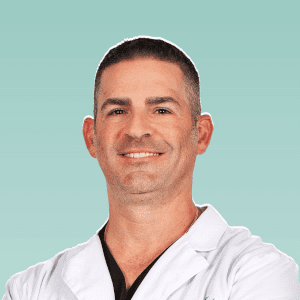
Author: Dr. Joseph Castellano
Dr. Joseph Castellano is a native Floridian who grew up in the Tampa Bay area. After medical school and residency, Dr. Castellano returned home and has opened a practice in Tampa, Florida focusing on breast augmentation, abdominoplasty, liposuction, facelift, and eyelid rejuvenation. He is a member of the American Board of Cosmetic Surgery, American College of Surgeons, and American Medical Association