Bloating after a tummy tuck is one of the most common recovery surprises — and one of the least discussed before surgery. This page explains exactly why it happens, how long it lasts at each stage of healing, and what you can do to make it more manageable.
TL;DR: Bloating after a tummy tuck is normal and expected in 2026. It peaks in the first 2–3 weeks as your body responds to tissue trauma, fluid shifts, and reduced gut motility from anesthesia. Most patients see significant improvement by weeks 6–8, with final results settling closer to 3–6 months. Staying hydrated, walking early, and wearing your compression garment consistently are the three most impactful things you can do to move recovery along.
Why This Matters
Patients often judge their tummy tuck results too early because the bloating makes the stomach look larger than before surgery. That panic is understandable — and almost always premature. Knowing what drives the swelling and when each phase resolves keeps your expectations grounded in physiology, not anxiety.
What You'll Need Before You Start Managing Bloating
- A fitted compression garment — your surgeon provides this, but have a backup if you're hand-washing
- A laxative or stool softener — ask your surgeon which to use; constipation compounds bloating significantly
- Electrolyte drinks or coconut water — plain water alone isn't always enough post-surgery
- A body pillow — sleeping with your torso slightly elevated reduces abdominal pressure
- A light walking plan — cleared by your surgeon, typically starting day 1–2 post-op
- 2–3 weeks of prepared, low-sodium meals — salt causes fluid retention that worsens visible swelling
If your tummy tuck was combined with liposuction — a common pairing in Tampa — expect the bloating to run slightly longer and the swelling to be more widespread. The tummy tuck and liposuction together guide covers what that combination adds to recovery.
The Steps: What's Happening and What to Do, Week by Week
Step 1 — Days 1–3: Manage the Acute Fluid Response
In the first 72 hours, your body releases inflammatory mediators to start tissue repair. Blood vessels become more permeable, allowing fluid to leak into surrounding tissue — that's what you see as swelling. Your abdomen will feel tight, tender, and visibly distended. This is not a complication. It's a predictable surgical response.
What to do: Take prescribed anti-inflammatory and pain medications on schedule, not reactively. Keep your torso at a 30–45 degree angle when resting. Take your first short walk (5–10 minutes) as soon as your surgeon clears you — usually within 24 hours of discharge. Movement stimulates lymphatic drainage and is the single best thing you can do at this stage.
Common mistake: Staying completely still because movement feels uncomfortable. Bed rest past the first 24 hours slows lymphatic flow and worsens fluid buildup.
Expected outcome: Significant visible swelling, tight skin, and a feeling of fullness across the entire abdomen. Normal.
Step 2 — Week 1: Address Constipation Before It Compounds Bloating
Anesthesia slows gut motility. Narcotic pain medications slow it further. The result is constipation, which creates internal pressure that makes abdominal bloating measurably worse. Patients who don't address this often feel like their swelling is worse at day 5 than day 2 — and constipation is usually why.
What to do: Start a stool softener the day of surgery or the day after, per your surgeon's instructions. Increase fiber gradually through food (not supplements yet — some cause gas). Warm liquids in the morning help stimulate bowel movement. Avoid straining — it puts direct pressure on your repair.
Common mistake: Waiting until constipation is severe before acting. By day 4 or 5, the problem is much harder to resolve.
Expected outcome: A bowel movement within 3–5 days of surgery. If you haven't had one by day 4, contact your surgeon's office.
Step 3 — Weeks 2–3: Wear Your Compression Garment Consistently
This is the phase where many patients loosen up on the compression garment because it's uncomfortable and they're moving more freely. That's the wrong call. Weeks 2–3 are when fluid redistribution is most active. The compression garment mechanically reduces the space where fluid can pool, directing lymphatic drainage and holding repaired muscles in place.
What to do: Wear the garment 23 hours a day unless your surgeon has told you otherwise. When you wash it, put it back on within an hour. If it's no longer firm against your skin — because swelling has decreased — ask your surgeon whether to size down.
Common mistake: Wearing the garment loosely or only during the day. A loose garment provides almost no meaningful benefit.
Expected outcome: Visible reduction in swelling compared to week 1, but you'll likely still look bloated. The shape is beginning to emerge underneath.
Step 4 — Weeks 4–6: Reduce Dietary Sodium and Watch for Seroma
By week 4 in 2026, most patients are eating normally and moving fairly freely — which introduces more dietary sodium and, with it, more fluid retention. High-sodium meals can cause the abdomen to look significantly more swollen the morning after eating them. This isn't a setback; it's a temporary fluid response.
What to do: Keep sodium under 1,500 mg per day for at least 6 weeks post-op. Avoid processed foods, canned soups, restaurant meals, and anything with visible salt. Drink at least 64 oz of water daily. At your follow-up appointments, your surgeon will check for seroma — a pocket of fluid under the skin that doesn't resolve on its own. If found, it's drained in-office with a needle in minutes.
Common mistake: Assuming any localized firm lump is normal swelling. Report unusual firmness or a sloshing sensation to your surgeon — that's how seromas present.
Expected outcome: By week 6, most patients report a 60–70% improvement in visible swelling. You're seeing something close to the real result.
Step 5 — Months 2–3: Resume Gentle Exercise Strategically
By 8 weeks, most surgeons clear patients for light cardio — walking at pace, cycling on a stationary bike, swimming. Exercise reduces overall inflammation and gets the lymphatic system moving more efficiently. Patients who resume activity around the 8-week mark consistently report faster resolution of residual bloating than those who wait longer.
What to do: Start with 20–30 minute sessions, 3–4 times per week. Avoid heavy lifting or core-specific exercises (crunches, planks) until at least 12 weeks or your surgeon's specific clearance. If any activity causes sharp abdominal pain, stop.
Common mistake: Jumping back to a full workout routine too fast. Overexertion at this stage can cause fluid to accumulate again.
Expected outcome: Noticeable decrease in end-of-day bloating. Clothes start fitting the way you expected.
Step 6 — Months 3–6: Final Settling
Internal swelling — particularly around the repaired abdominal muscles — takes longer to resolve than surface swelling. Nerve regeneration also continues during this period, which can cause occasional numbness, tingling, or the sensation of tightness that patients sometimes interpret as bloating. By month 6, the vast majority of patients have reached their final result.
What to do: Continue eating a low-sodium, high-protein diet. Protein supports tissue repair; aim for 1–1.2g per pound of body weight. If swelling remains disproportionate or worsens at month 3 or later, schedule an appointment — delayed fluid collections, though rare, do occur.
Common mistake: Expecting the result at 6 weeks to be final. Patients who compare their 6-week photos to pre-op photos often feel discouraged, then are genuinely surprised by their 6-month photos.
Expected outcome: Final contour visible. Bloating essentially resolved.
Troubleshooting: Specific Problems and Fixes
Bloating suddenly gets worse at week 3 or 4. Most likely cause: dietary sodium or a seroma. Audit what you ate in the 24 hours prior and contact your surgeon if the worsening is localized or accompanied by firmness.
Bloating is worse in the evening than the morning. This is normal — gravity causes fluid to pool downward throughout the day. Elevating your legs when sitting and walking in the morning helps.
Compression garment causes skin breakdown or rashes. Your garment may be too tight or a poor fit. Contact your surgical team; a replacement or adjustment is appropriate.
Feeling gassy rather than just swollen. Gas-related bloating is separate from surgical swelling. Avoid carbonated drinks, cruciferous vegetables (broccoli, cauliflower, cabbage), beans, and artificial sweeteners for at least 4–6 weeks post-op.
Still significantly bloated at 3 months. Rule out seroma with your surgeon. If none is found, confirm sodium intake is genuinely low and that you've resumed regular light activity. Some patients — particularly those who had extensive muscle repair — take closer to 6 months for internal swelling to fully clear.
Numbness in the lower abdomen persisting past 3 months. This is nerve recovery, not bloating. Nerve regrowth after abdominoplasty commonly takes 3–12 months in 2026. It typically resolves on its own.
Tools and Resources
- Your surgeon's post-op protocol — the single most important resource; follow it over any general advice
- A food tracking app — useful for keeping sodium under 1,500 mg/day without guessing
- Compression garment from your surgical team — medical-grade, not shapewear
- Full tummy tuck procedure overview: tummy tuck Tampa full procedure guide for 2026
- Week-by-week recovery expectations: tummy tuck recovery week by week
FAQ
How long does bloating last after a tummy tuck?
Most visible bloating resolves by weeks 6–8. Internal swelling around the repaired muscles can persist for 3–6 months. Final results in 2026 are typically assessed at the 6-month mark.
Is bloating after a tummy tuck normal?
Yes. It's a direct result of tissue trauma, fluid redistribution, and slowed gut motility from anesthesia. Virtually every patient experiences it to some degree.
Why is my stomach bigger after a tummy tuck than before?
Swelling from surgery temporarily adds volume to the abdomen. This is not your final result. Give it at least 6 weeks before drawing any conclusions, and 6 months before considering the outcome final.
Does walking help with bloating after a tummy tuck?
Yes — it's the most effective early intervention. Walking stimulates lymphatic drainage and reduces fluid pooling. Start with short walks within the first 24–48 hours and increase gradually.
What foods make bloating worse after a tummy tuck?
High-sodium foods, carbonated beverages, cruciferous vegetables, beans, and artificial sweeteners all contribute. Keep sodium under 1,500 mg daily for at least 6 weeks.
Can a seroma cause bloating after a tummy tuck?
Yes. A seroma — a pocket of fluid under the skin — can mimic or worsen bloating. Signs include localized firmness, a feeling of fluid movement, or swelling that increases rather than decreases. Your surgeon can diagnose and drain it in-office.
When can I exercise after a tummy tuck to help with swelling?
Most surgeons clear light cardio at 6–8 weeks. Core-specific exercises typically wait until 10–12 weeks. Returning to exercise reduces inflammation and speeds lymphatic drainage.
Does liposuction combined with a tummy tuck make bloating worse?
It can extend the duration slightly and make swelling more widespread, since liposuction creates additional fluid response in treated areas. The basic management principles — compression, walking, low sodium — are the same.
One Last Thing
Most patients take their first "good" photo at 6 weeks and decide the result isn't what they wanted. Almost universally, the 6-month photo tells a different story. The timeline on bloating after a tummy tuck in 2026 is longer than most people expect going in — and shorter than it feels in the middle of recovery. The patients who are happiest with their outcomes are the ones who committed to the compression garment, kept sodium low, and walked daily from week one.
Related Guides
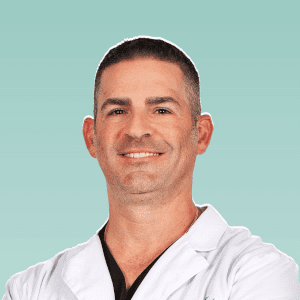
Author: Dr. Joseph Castellano
Dr. Joseph Castellano is a native Floridian who grew up in the Tampa Bay area. After medical school and residency, Dr. Castellano returned home and has opened a practice in Tampa, Florida focusing on breast augmentation, abdominoplasty, liposuction, facelift, and eyelid rejuvenation. He is a member of the American Board of Cosmetic Surgery, American College of Surgeons, and American Medical Association