First-responder body contouring is the use of surgical or non-surgical procedures to change body shape, with the aim of addressing a specific concern without overlooking the physical demands of the job. If you are considering body contouring for first responders in Tampa in 2026, start with the area you want to change, then plan around lifting, protective gear, long shifts, and recovery—not just the procedure date.
- Body contouring for first responders starts with a job-specific recovery plan, not a procedure choice.
- Castellano Cosmetic Surgery Center offers Tampa patients liposuction, tummy tucks, and CoolSculpting; each addresses a different concern.
- Liposuction targets localized fat; a tummy tuck addresses excess abdominal skin and can address separated abdominal muscles.
- Do not schedule full-duty work until your surgeon has cleared the tasks your role requires.
Why body contouring matters for first responders
A first responder's return to work is not the same as a return to desk work. Your duties can involve lifting, bending, prolonged standing, wearing a duty belt or protective gear, and responding without control over the pace. A recovery plan that accounts only for when you can walk or drive leaves the central question unanswered: when can you perform your actual duties safely?
In 2026, make a written list of your essential tasks before you choose a procedure. Include any gear that presses against the treatment area and any duty you cannot temporarily modify. The guide to planning surgery recovery around a demanding job is a useful starting point for that conversation.
Body contouring also has limits. Liposuction does not remove loose skin, and CoolSculpting does not repair separated abdominal muscles. If those are your main concerns, choosing the option with the least disruption can leave the original concern unchanged. Castellano Cosmetic Surgery Center offers surgical and non-surgical procedures in Tampa, so the decision should begin with what needs treatment rather than which option sounds easiest to fit between shifts.
How to choose body contouring around first-responder work
Identify the change you want
Stand in front of a mirror and name the area and concern as plainly as you can: localized fat, loose skin, abdominal shape, or a combination. You do not need to diagnose yourself. You do need a specific question to bring to a consultation; wanting a different shape is less useful than pointing to what you want assessed.
The distinction matters when your clothing or equipment draws attention to an area. A duty belt can change how the waist looks and feels, but the pressure of a belt does not tell you whether the concern is fat, skin, or muscle separation. Ask for an examination before settling on a treatment.
- Note whether the concern is your abdomen, flanks, arms, or another area.
- Describe what you see when standing and when seated.
- Mention recent weight changes and whether your weight is still changing.
- Bring questions about scars, swelling, and the result you consider natural-looking.
Map your essential duties
Write down the movements your role requires rather than relying on your job title. A firefighter, paramedic, police officer, and emergency department worker can all face different physical requirements. Even people with the same title can have different lifting tasks, gear, and options for modified duty.
Do this before requesting leave in 2026. Your surgeon can then discuss restrictions against the work you actually perform. Your supervisor or occupational health team can tell you whether modified duty exists; a cosmetic consultation cannot establish your employer's return-to-duty rules.
- List routine lifting, carrying, pushing, and pulling tasks.
- Identify gear that rests on the proposed treatment area.
- Record how long you typically stand or sit during a shift.
- Ask whether temporary modified duty is available.
Match the procedure to the concern
Choose the procedure for the tissue it treats, not for its place on your calendar. CoolSculpting is a non-surgical fat-reduction option for a suitable treatment area; it does not remove loose skin. Liposuction removes fat from selected areas but is not a substitute for significant skin removal. A tummy tuck addresses excess abdominal skin and can address separated abdominal muscles, with surgical recovery to plan around.
For a more detailed look at one surgical option, read the liposuction procedure guide. Castellano Cosmetic Surgery Center offers all three options, but that does not mean all three fit the same patient. An in-person assessment establishes what is causing your concern and whether treatment is appropriate.
- Ask which tissue each proposed procedure changes.
- Ask what the procedure will leave unchanged.
- Discuss visible scars and where your uniform contacts them.
- Explain whether you want a subtle change or a more noticeable change.
Build a return-to-duty plan
Recovery instructions are individual. Do not treat a general return-to-work estimate as clearance to restrain someone, carry equipment, lift a patient, or complete an unpredictable shift. Ask your surgeon about the specific duties you listed and follow the restrictions you receive.
Plan for help outside work too. Household lifting, driving, and caregiving can compete with the same recovery limits as your job. If you cannot avoid a required movement at home, raise it before scheduling treatment—not after you are recovering.
- Ask when each essential duty can be reassessed.
- Arrange coverage for tasks you are told to avoid.
- Confirm how follow-up visits fit your shift schedule.
- Get clear instructions for symptoms that require a call to the surgical team.
Review health and safety questions
Give your surgeon a full account of your medical history, medicines, supplements, nicotine use, and prior procedures. Mention anything that affects how you recover or limits your ability to follow post-treatment instructions. Do not stop a prescribed medicine on your own to make a procedure fit your schedule.
Surgery brings considerations that a non-surgical treatment does not, including anesthesia, wound care, and activity restrictions. Non-surgical does not mean free of side effects or suitable for everyone. Ask for the risks of the specific treatment being proposed, not a general assurance about body contouring.
- Bring a current list of medicines and supplements.
- Describe past problems with anesthesia or healing.
- Ask which symptoms need urgent medical attention.
- Confirm who will give you individualized recovery instructions.
Set a result and follow-up plan
Body contouring is not a fitness test or a measure of your ability to do your job. Decide what change would satisfy you and ask whether the proposed procedure can produce that kind of change in your case. Your surgeon should also explain what the result cannot address.
Discuss follow-up before you book. Shift changes and overtime can make appointments difficult, while swelling and healing can make early impressions misleading. A plan for reassessment gives you a better basis for judging the result than checking your appearance after a demanding shift.
- Describe your goal without asking for someone else's result.
- Ask how swelling affects when you can assess the outcome.
- Confirm the follow-up appointments you will need.
- Ask what to do if your recovery differs from the instructions provided.
Compare body contouring options for first responders
The best option in 2026 depends on the concern and the duties you must resume. This table is a conversation guide, not a determination of candidacy. Castellano Cosmetic Surgery Center offers these procedures to Tampa patients; only a clinical assessment can establish which option fits you.
| Option | Best for | Main advantage | Key limitation |
|---|---|---|---|
| CoolSculpting | Someone seeking non-surgical treatment of a suitable area of localized fat | Does not require surgical incisions | Does not remove loose skin or repair abdominal muscles; treatment can still have side effects |
| Liposuction | Someone seeking removal of localized fat from selected areas | Directly removes fat from treated areas | Does not address substantial loose skin; surgical recovery can interfere with physical duties |
| Tummy tuck | Someone concerned about excess abdominal skin, with possible muscle separation | Addresses skin and can address separated abdominal muscles | Involves an abdominal incision and activity restrictions during recovery |
There is no single best body contouring procedure for every first responder. If the main issue is loose abdominal skin, choosing fat reduction alone does not resolve it. If the main issue is a localized fat deposit without significant loose skin, ask whether surgery or a non-surgical option better matches your goal and your tolerance for recovery.
Uniform fit is worth discussing, but it is not a medical outcome by itself. Tell your surgeon where a belt, vest, waistband, or other equipment applies pressure. Ask how swelling, tenderness, or an incision could affect wearing it while you heal. Do not test protective gear against a healing area without clearance.
Common mistakes first responders make
Choosing a date before checking duty restrictions. An available appointment is not a recovery plan. Confirm what your role demands, whether modified duty is possible, and how you will handle tasks outside work before setting a date.
Treating non-surgical as an automatic fit for an active shift. CoolSculpting avoids surgery, but it still needs a candidacy discussion and an explanation of possible side effects. It also cannot correct loose skin simply because that option is easier to place on a calendar.
Assuming fitness rules out a contouring concern. Exercise and body contouring address different questions. Describe the area you want assessed without assuming that your training history establishes which tissue is involved.
Using another patient's recovery as your clearance. The duties, treatment area, and healing needs of another patient do not establish when you can return to lifting or wearing gear. Use your own surgeon's instructions and your employer's duty requirements.
Overlooking the pressure points of your equipment. A recovery plan should account for belts, waistbands, and protective clothing that touch the treatment area. Tell the surgical team where that contact occurs before treatment.
FAQ
What is the best body contouring for first responders?
The best body contouring option for a first responder depends on whether the concern is localized fat, loose skin, or abdominal muscle separation. Your essential duties and recovery restrictions also belong in the decision.
Can I work a shift after CoolSculpting?
Do not assume you can work a full shift immediately after CoolSculpting. Ask your treating clinician about expected side effects and whether your specific duties are appropriate after treatment.
Is liposuction better than CoolSculpting for a first responder?
Liposuction directly removes fat from selected areas, while CoolSculpting is a non-surgical fat-reduction option. Neither removes significant loose skin, and liposuction requires a surgical recovery plan.
When can I lift patients or equipment after a tummy tuck?
Your surgeon must clear you to lift patients or equipment after a tummy tuck. Bring a description of the loads and movements your job requires so restrictions can address your actual duties.
Can body contouring remove loose abdominal skin?
A tummy tuck can remove excess abdominal skin; fat-reduction treatments do not serve the same purpose. A surgeon must assess the skin and underlying anatomy before recommending an approach.
Should I schedule body contouring during time off in 2026?
Schedule body contouring only after you understand your recovery restrictions and have enough suitable support or modified duties. Time off alone does not establish readiness for full-duty work.
Where can Tampa first responders discuss body contouring options?
Castellano Cosmetic Surgery Center offers Tampa patients liposuction, tummy tucks, and CoolSculpting. Bring your treatment goals and essential job duties to a consultation so you can discuss candidacy and recovery.
One last thing
In 2026, the most useful item to bring to a body contouring consultation is not a photo of a desired result. It is a plain description of what you must do when you return to work: the movements, gear, and tasks you cannot avoid. Castellano Cosmetic Surgery Center can discuss the cosmetic concern, while your surgeon's instructions and your employer's requirements determine the path back to duty.
Related guides
- CoolSculpting in Tampa: how it works and results
- Tummy tuck recovery week by week
- Liposuction recovery for nurses working long shifts
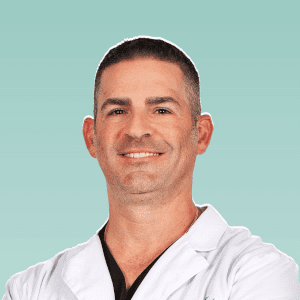
Author: Dr. Joseph Castellano
Dr. Joseph Castellano is a native Floridian who grew up in the Tampa Bay area. After medical school and residency, Dr. Castellano returned home and has opened a practice in Tampa, Florida focusing on breast augmentation, abdominoplasty, liposuction, facelift, and eyelid rejuvenation. He is a member of the American Board of Cosmetic Surgery, American College of Surgeons, and American Medical Association