Choosing the surgeon who performs your tummy tuck matters more than any other decision in the process — the technique, the recovery, and the final scar all trace back to who's holding the scalpel.
This guide breaks down exactly what to check before you book, in the order that actually protects you.
TL;DR
How to choose a tummy tuck surgeon in Tampa comes down to five checks: board certification through the American Board of Plastic Surgery, hospital privileges at an accredited facility, consistent before-and-after photos from patients with your body type, a consultation that answers questions instead of rushing you, and a written cost breakdown before you sign anything. Dr. Joseph Castellano and Dr. Mindi Giglio at Castellano Cosmetic Surgery Center meet all five, and this page shows you how to verify the same for any surgeon you're considering in 2026.
Why this matters
Tampa has no shortage of practices advertising "tummy tuck" packages, and not all of them are run by board-certified plastic surgeons. Some are med spas partnering with visiting surgeons who fly in for a weekend of procedures and leave before your follow-up. Others use outdated techniques that leave more scarring or take longer to heal than modern approaches like the Avelar tummy tuck require.
A tummy tuck is major abdominal surgery. Muscle repair, drain placement (or lack of it), anesthesia type, and incision technique all depend on the surgeon's training and judgment in real time, not on a brochure. Picking based on price or a flattering Instagram photo, without checking the fundamentals, is how patients end up needing revision surgery.
What you'll need
- A list of 3-4 board-certified surgeons in the Tampa Bay area
- At least one in-person consultation scheduled with each
- Questions written down before you walk in
- A rough budget range and financing plan in mind
- 30-45 minutes per consultation, unrushed
The steps
1. Confirm board certification through the right board
This is non-negotiable, and it's the fastest filter. Look specifically for certification through the American Board of Plastic Surgery (ABPS) — not a similarly named board that sounds official but has lower training requirements. ABPS certification requires a minimum of 6 years of surgical residency, including at least 2 years dedicated specifically to plastic surgery, plus passing written and oral exams.
Check the surgeon's own site and the ABPS public directory. Board certification is the single biggest predictor of surgical safety, and Tampa has plenty of certified options in 2026 — there's no reason to gamble on one that isn't.
Common mistake: assuming any "board-certified" claim refers to plastic surgery. Some practitioners are board-certified in an unrelated specialty (family medicine, emergency medicine) and still perform cosmetic procedures.
2. Verify where they operate
Ask where your surgery will actually happen. Accredited surgical facilities — whether hospital-based or an accredited outpatient center — carry emergency protocols, anesthesia monitoring standards, and inspection requirements that unaccredited offices skip.
A surgeon who operates in a non-accredited space, even if board-certified, is taking on more risk than one working in a properly equipped facility. Ask directly: "Is this facility accredited, and by which body?" A confident surgeon answers in one sentence.
3. Review photos of patients who look like you
A gallery of 200 photos means nothing if none of them show a body type, skin laxity, or muscle separation similar to yours. Ask to see results specifically from patients with diastasis recti repair, prior C-sections, or significant weight loss — whatever applies to your case.
Consistent, unedited photos taken at the same angle and lighting, ideally at both 3 months and 12 months post-op, tell you more than any single "after" shot. Buy signal: a surgeon who pulls up relevant cases without hesitation. Skip signal: a gallery that's mostly generic stock-adjacent images or heavily filtered.
4. Ask about complication and revision rates
Every surgeon has some percentage of patients who need a touch-up or experience a complication — that's normal in surgery. What matters is whether they answer the question directly instead of deflecting.
Ask: "What's your revision rate for tummy tucks, and what usually causes it?" A surgeon who gives you a real number and explains the most common reason (usually minor scar irregularities or seroma) is being straight with you. One who says "I've never had a complication" in 2026 is either inexperienced or not being honest.
5. Evaluate the consultation itself
The consultation tells you more than the marketing does. Does the surgeon examine your abdomen in person, or just glance and quote a price? Do they explain why they'd recommend a full tummy tuck versus a mini or the Avelar technique for your specific anatomy?
A rushed 10-minute consult that ends with pressure to book same-day is a warning sign, not a deal. Come in with a written list of questions and expect a real conversation, not a script.
Common mistake: mistaking a friendly, fast-talking consult for a thorough one. Warmth and thoroughness aren't the same thing.
6. Compare the specific technique they recommend
Not every tummy tuck is the same procedure. Traditional tummy tucks, mini tummy tucks, and the Avelar technique each address different combinations of loose skin, muscle separation, and fat distribution. A surgeon should explain which one fits your anatomy and why, not default to whichever version their practice markets hardest.
Ask specifically about muscle repair technique, drain use versus drainless approaches, and expected time under anesthesia — most full tummy tucks run 2-4 hours depending on complexity.
7. Ask about anesthesia and safety protocols
Who administers anesthesia matters. A board-certified anesthesiologist present for the full procedure is the standard to look for, not a nurse anesthetist working without direct physician oversight in a non-hospital setting. Ask directly who monitors you and what happens if something unexpected comes up mid-surgery.
Expected outcome: a clear, specific answer naming the anesthesia provider type and the facility's emergency transfer plan if one is needed.
8. Get a full cost breakdown in writing
The number you're quoted verbally in a consultation isn't the number you'll pay. Ask for a written breakdown covering the surgeon's fee, facility fee, anesthesia fee, and any post-op garments or follow-up visits included.
Tummy tuck costs in Tampa vary based on technique and whether liposuction is combined, so a low quote that excludes facility or anesthesia fees isn't actually cheaper — it's incomplete.
Troubleshooting
The quote seems unusually low. Ask what's excluded — facility fees, anesthesia, and garments are common omissions that inflate the real total later.
The consultation felt rushed. Book a second opinion. A 15-minute consult for major abdominal surgery isn't enough time to evaluate your anatomy or answer real questions.
You can't find board certification information anywhere. That's the answer. Move on to a different surgeon.
The surgeon pressures same-day booking or deposit. Legitimate practices in Tampa don't need to close you on the spot in 2026 — a good surgeon expects you to compare options.
Before-and-after photos all look identical or overly retouched. Ask for unedited photos or a second consultation to see real examples in person.
Recovery timeline estimates vary wildly between surgeons you've consulted. A realistic full tummy tuck recovery runs roughly 6 weeks to resume normal activity, with final results settling over several months — anyone promising a dramatically shorter timeline may be minimizing what's involved.
Tools and resources
- Board certification: why it matters for Tampa cosmetic surgery
- Questions to bring to your consultation
- What a tummy tuck actually costs in Tampa
- Your state medical board's public license lookup
What to do next
Once you've narrowed your list to a surgeon who checks every box above, the next step is preparing for the procedure itself — what to arrange at home, what to stop taking, and how far ahead to schedule. See the full guide on preparing for tummy tuck surgery in Tampa for a week-by-week rundown.
FAQ
What credentials should a tummy tuck surgeon in Tampa have?
Look for certification through the American Board of Plastic Surgery specifically, plus privileges at an accredited surgical facility. Anything less leaves you unable to verify their actual surgical training.
How long does it take to find the right surgeon?
Budget 2-3 weeks to complete consultations with 3-4 board-certified surgeons before deciding. Rushing this step is the most common regret patients report.
Is a cheaper quote ever a red flag?
Yes, when it excludes facility fees, anesthesia, or post-op care. A complete written quote lets you compare real totals, not marketing numbers.
Should I choose based on before-and-after photos alone?
No. Photos matter, but they should be one factor alongside board certification, facility accreditation, and how the consultation itself goes.
What's the difference between a traditional and Avelar tummy tuck?
The Avelar technique preserves more blood supply to the tissue and is often associated with less swelling for the right candidates, while traditional approaches suit more extensive muscle repair needs. A qualified surgeon explains which fits your anatomy specifically.
Do I need a second consultation before deciding?
If the first consult felt rushed, left questions unanswered, or the surgeon couldn't clearly explain their revision rate, yes — get a second opinion before booking anything in 2026.
How much does a tummy tuck cost in Tampa in 2026?
Costs vary based on technique, whether liposuction is combined, and facility fees; get a full written breakdown rather than relying on a verbal estimate.
Can I trust online reviews to choose a surgeon?
Reviews are a starting point, not a substitute for verifying board certification and facility accreditation directly — those are the checks that actually protect your safety.
One last thing
The detail most patients skip: ask who handles your care if a complication happens after hours. A board-certified surgeon with hospital privileges has a direct line to emergency care; a traveling or part-time provider often doesn't, and that gap only becomes visible when you need it most.
Related guides
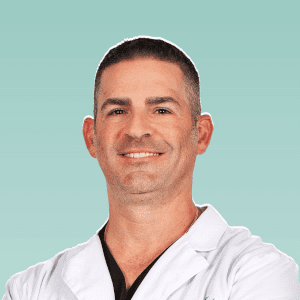
Author: Dr. Joseph Castellano
Dr. Joseph Castellano is a native Floridian who grew up in the Tampa Bay area. After medical school and residency, Dr. Castellano returned home and has opened a practice in Tampa, Florida focusing on breast augmentation, abdominoplasty, liposuction, facelift, and eyelid rejuvenation. He is a member of the American Board of Cosmetic Surgery, American College of Surgeons, and American Medical Association