Tummy Tuck in Tampa
A tummy tuck, also known as an abdominoplasty, is a cosmetic surgery procedure that tightens loose skin and weak abdominal muscles while also removing excess fat from the abdominal area. The end result is a much smoother and more toned physique. Tummy tucks are popular for women after they have had kids and men who carry weight in their midsections. At the Castellano Cosmetic Surgery Center in Tampa, our experienced cosmetic surgeons can help you achieve a flatter, more contoured and more attractive abdomen.
Contact Us
We’re here when you’re ready to take the next step and find out more about all of your cosmetic options.
Cosmetic Surgery at a Price You Can Afford
We offer Tummy Tuck surgery starting at just $10,000. We are also a leader in cosmetic surgery financing and can help you fit the procedure you want into a payment you can afford!
Please call (813) 872-6093 or contact us to book your appointment today!
Why Choose Castellano Cosmetic Surgery Center?
Our cosmetic surgeons at Castellano Cosmetic Surgery Center in Tampa, Florida have decades of experience between them performing body contouring surgeries like abdominoplasty, and specialize in body and breast procedures. Both Dr. Joseph Castellano and Dr. Mindi Giglio are active members of some of the most prestigious medical associations in the country, including The American Academy of Cosmetic Surgeons and The American Medical Association.
We are dedicated to providing the highest quality care and results to each and every one of our patients in our state-of-the-art Tampa office.
Request a consultation with us today and see why patients come back to our office again and again. With extensive cosmetic surgery experience, our surgeons can help you determine if a tummy tuck is the best option for you.
Tampa's Leading
Cosmetic Surgeons
4,000+ Breast Augmentations
1,500+ Mommy Makeovers
14,000+ Patients Treated
…and Countless Lives Transformed

Who Is a Good Candidate for a Tummy Tuck?
Both women and men can be good candidates for a tummy tuck, provided they are in good health, are at or close to their target weight and have finished having children. In general, the most common candidates for abdominoplasty in Tampa are:
- Women who have been pregnant.
During pregnancy, the abdominal muscles stretch in order to accommodate your growing baby. Unfortunately, these muscles and stretched skin do not always bounce back afterward. Over time, this can create a bulge that can be nearly impossible to address through diet and exercise alone. With an abdominoplasty, Tampa moms can regain their formerly flat tummies. Oftentimes, stretch marks are also removed during the procedure. - Women and men who have recently lost a lot of weight.
Following significant weight loss, many women and men are left with loose or excess skin that wasn’t able to “snap back” into place to complement their new figures. The result is loose, hanging folds of skin that can only be resolved through surgery. By removing this excess skin and tightening the remaining skin and muscle tissue, a tummy tuck can help you look as good as you feel now that you’ve reached your target weight. - Anyone with loose skin in the abdominal area.
If you’ve done so many crunches you can’t see straight, but your belly is still hanging past your belt, you may be fighting a losing battle. Even if you’re perfectly healthy weight-wise, loose folds of skin can develop as a result of aging, genetics and other factors. The abdominoplasty procedure can help you finally tone and tighten your stomach for a flatter abdomen. - People in good overall health who don’t smoke or are willing to quit.
A tummy tuck is a surgical procedure and requires candidates to be in good overall health for maximum safety and the best possible results.
Note that a tummy tuck by itself will not give you a “six-pack” with prominent and defined abdominal muscles. The procedure tightens the covering of the muscles, which can become loose over time or after pregnancy. It does not tone, tighten or build muscle on its own. After you’ve recovered from your tummy tuck, you should feel more comfortable to do exercises such as crunches and sit-ups that will build abdominal muscle.
Our Before & Afters
This gallery contains before and after pictures of actual patients. View all cases for a complete listing of all of our before and after photos of the patients treated.

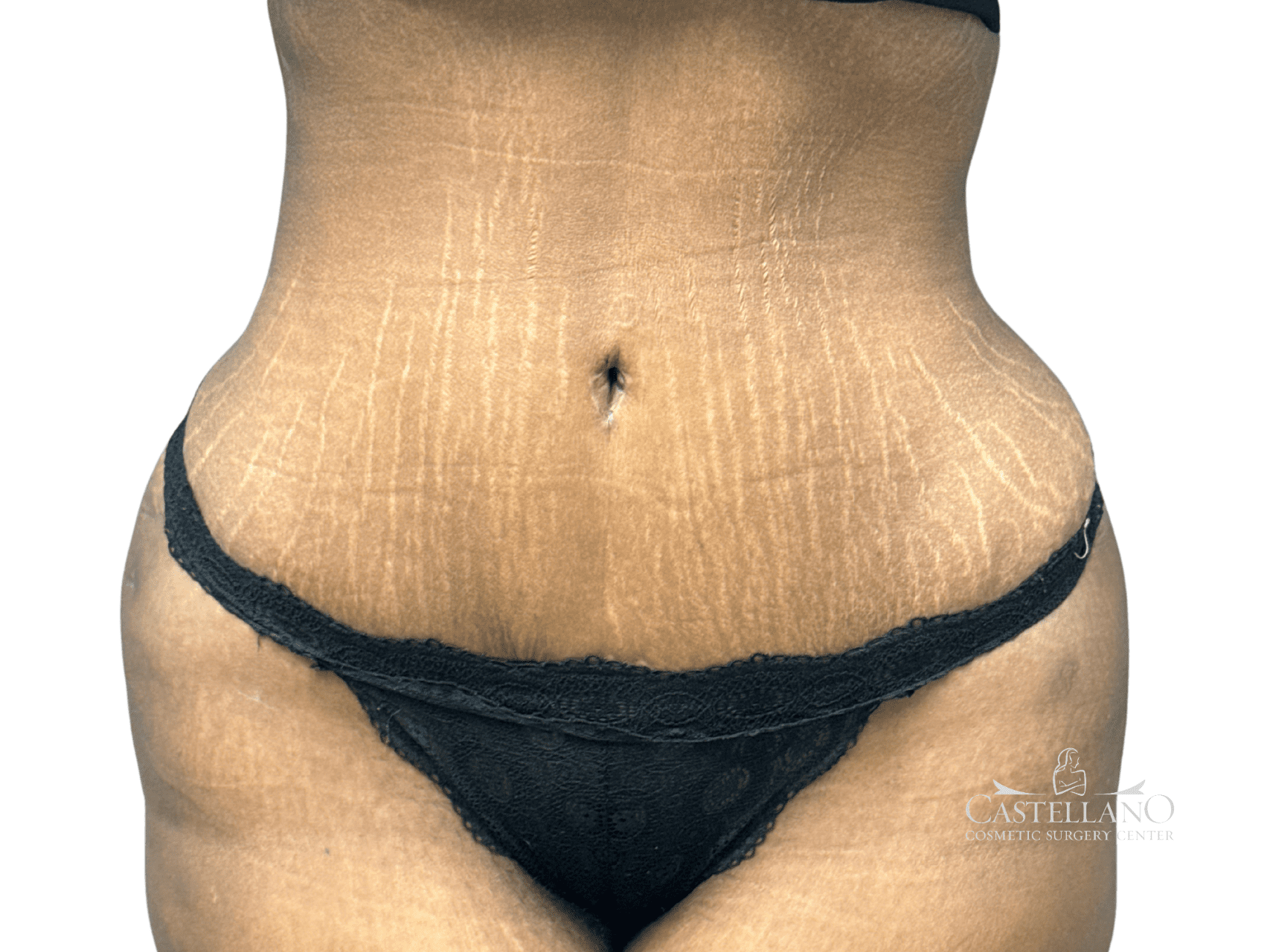
Sensitive Content
These before and after photos contain nudity. Please click/tap to view the images.
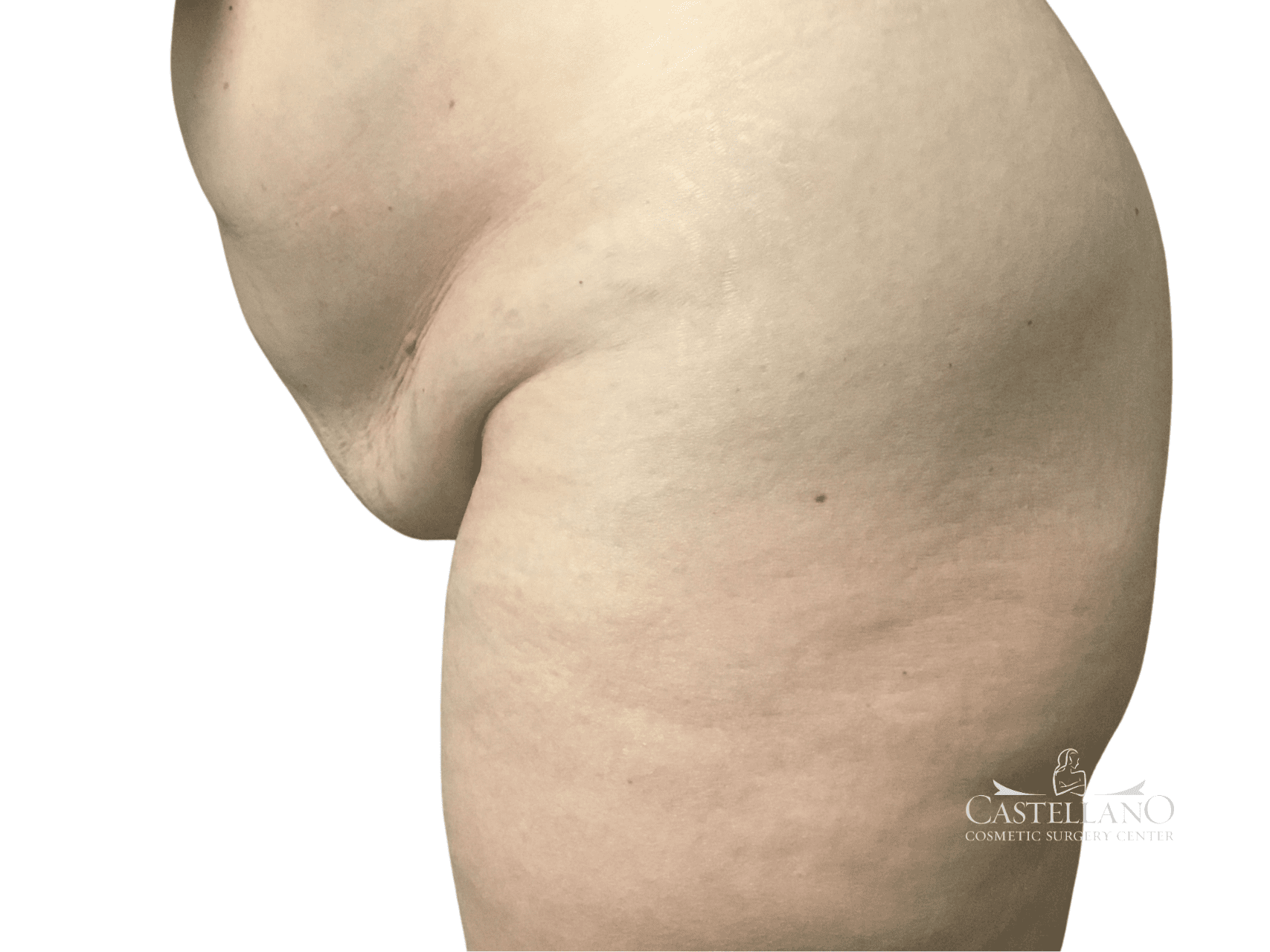
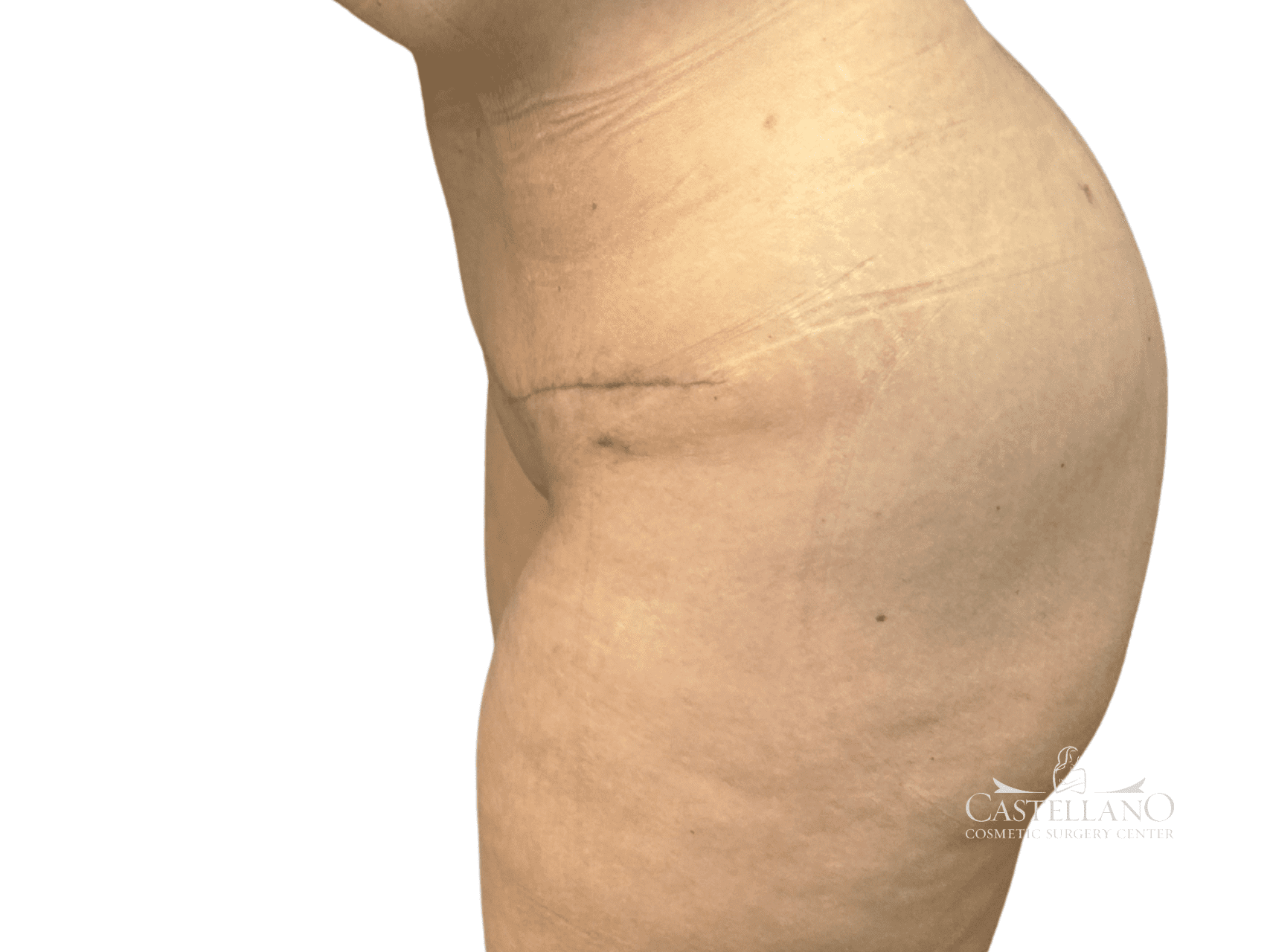
Sensitive Content
These before and after photos contain nudity. Please click/tap to view the images.
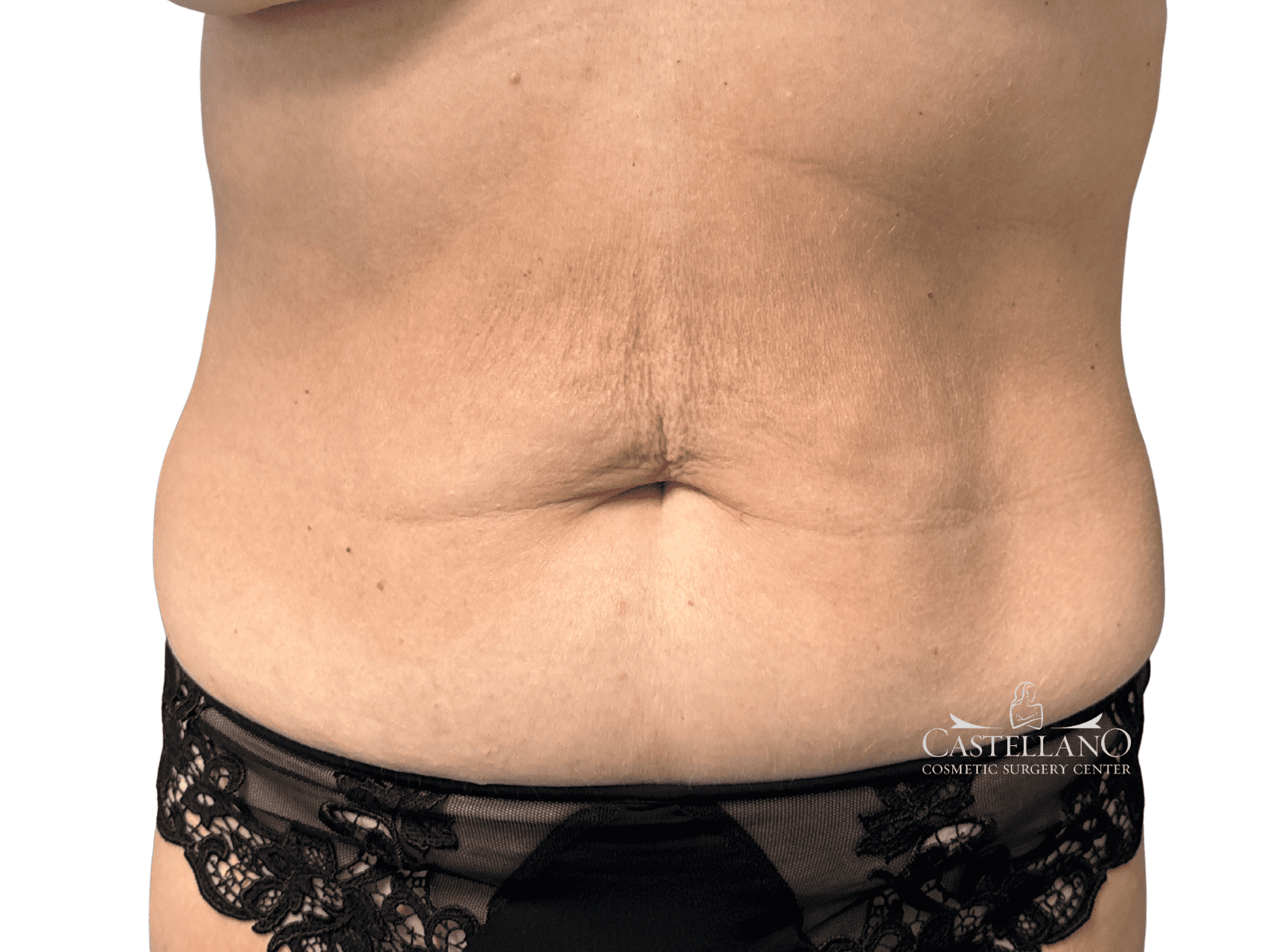

Sensitive Content
These before and after photos contain nudity. Please click/tap to view the images.

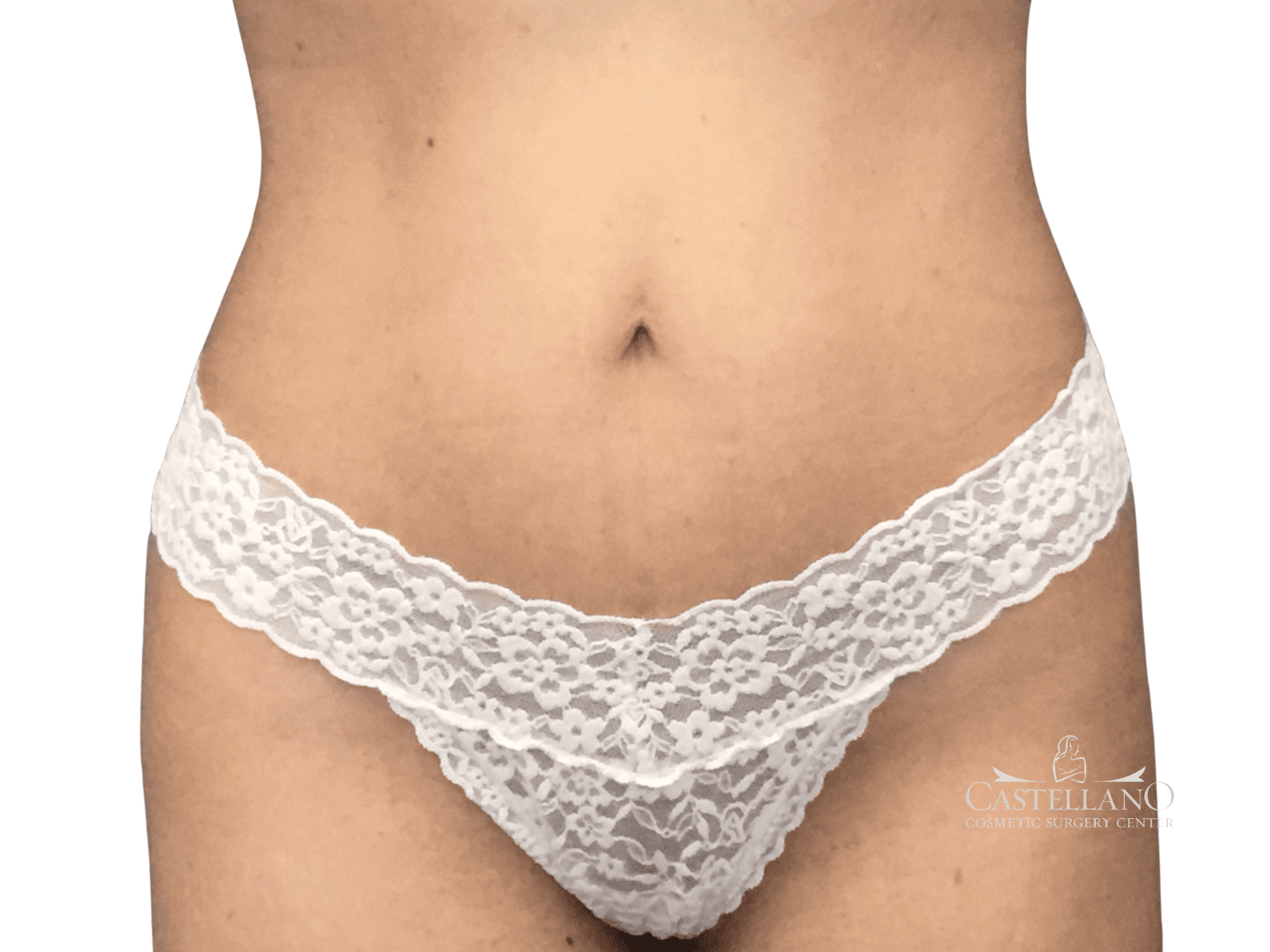
Sensitive Content
These before and after photos contain nudity. Please click/tap to view the images.
Your Tummy Tuck Consultation
During your tummy tuck consultation, your cosmetic surgeon will carefully listen to your individual goals and trouble spots, review your medical history and perform a physical evaluation to help you decide if abdominoplasty could be right for you. Dr. Castellano or Dr. Giglio will also explain your various tummy tuck options, including the difference between a full tummy tuck and a mini tummy tuck, as well as the innovative drainless Avelar tummy tuck technique.
Together with your cosmetic surgeon, you will create a customized tummy tuck procedure that meets your goals and expectations for your final result.
Your Tummy Tuck Procedure
During a tummy tuck, your cosmetic surgeon will make an incision across the lower abdomen below the belly button. The incision is placed low enough to be discreetly hidden by most styles of underwear and even small swimsuits after healing up. Working through this incision, your surgeon will then suture the abdominal muscles to restore tautness. Once this new supportive framework is in place, excess skin and fat are removed, and the remaining skin is sutured closed at the incision site.
To minimize the risk of infection or fluid buildup (also called seroma) our surgeons place post-surgical drains as part of the abdominoplasty procedure. These drains need a certain amount of care after surgery to ensure they do their job, and we’ll walk you through how to maintain them. While no one “wants” to have a drain that requires a bit of extra effort after surgery, we feel that it’s a minor inconvenience to ensure you have the best possible chance of minimizing potential complications.
The exact duration of your tummy tuck procedure will depend on the details of your surgery, but most tummy tucks are performed in 2 to 3 hours under general anesthesia.


Tummy Tuck Recovery
Following your tummy tuck, you’ll initially have to wear a compression garment to reduce swelling and aid in the healing process. For the first day or two, we advise that you get some help getting around, as standing completely upright might be difficult at first. Most people are able to go back to work and resume normal daily activities around 2 to 3 weeks after their tummy tuck, although this can vary depending on how physically demanding your job is.
You will need to limit strenuous physical activity for several weeks after your abdominoplasty. Your cosmetic surgeon will let you know when you can gradually begin to reintroduce exercise and other physical activity into your routine. Most of our Tampa tummy tuck patients can resume their normal workout routines within 6 to 12 weeks after their procedure.
Need help deciding which treatments are right for you?
Our treatment planner lets you select your cosmetic concerns to develop a custom treatment plan.

Tummy Tuck Results
A tummy tuck can deliver dramatic results. However, keep in mind that swelling will disguise your new figure for a little while, so don’t be discouraged if you don’t see the results you were hoping for right away. You should start to see improvements in your physique in the coming weeks as your body continues to heal and swelling diminishes. For most people, full tummy tuck results are visible within 6 to 12 months after abdominoplasty, though you should have a good idea of what your results will look like much sooner.
Another thing to keep in mind is that, like all surgical procedures, a tummy tuck will result in some amount of scarring. The nature of the procedure requires an incision running across the abdomen. Dr. Castellano and Dr. Giglio take special care to place this incision in such a way that it will be concealed by most swimsuit bottoms and panties/underwear. It is not possible to have no visible scarring after surgery, but with proper post-surgical care, your scar should lighten and fade so that it is barely visible over time.
Tummy tuck results can be very long-lasting, provided you maintain healthy eating and exercise habits to avoid significant weight fluctuations. Many of our Tampa tummy tuck patients enjoy their results for years to come.
Tummy Tuck FAQs
How much does a tummy tuck cost in Tampa?
Pricing varies based on your individual goals and treatment plan. For transparency, we list approximate starting prices on our Pricing page. Your exact cost will be confirmed during your consultation and typically includes surgeon, facility, and anesthesia fees (when applicable). After your consultation, we will be able to give you a more accurate tummy tuck cost estimate based on your individual needs. We are also happy to provide you with more information about our financing options if you are interested.
Does insurance cover a tummy tuck?
No. Most insurance plans do not cover abdominoplasty because it is considered an elective procedure and not medically necessary. However, in some rare cases, some insurance plans may cover all or part of the cost of a tummy tuck if it is deemed a medical need.
What are the risks associated with a tummy tuck?
As with any surgical procedure, a tummy tuck comes with surgical risks such as infection, bleeding, anesthesia complications or poor wound healing. Our cosmetic surgeons will discuss these risks with you during your consultation and explain in detail the measures that are taken in order to minimize them and maximize your safety and quality of results.
See even more tummy tuck FAQs on our dedicated page.
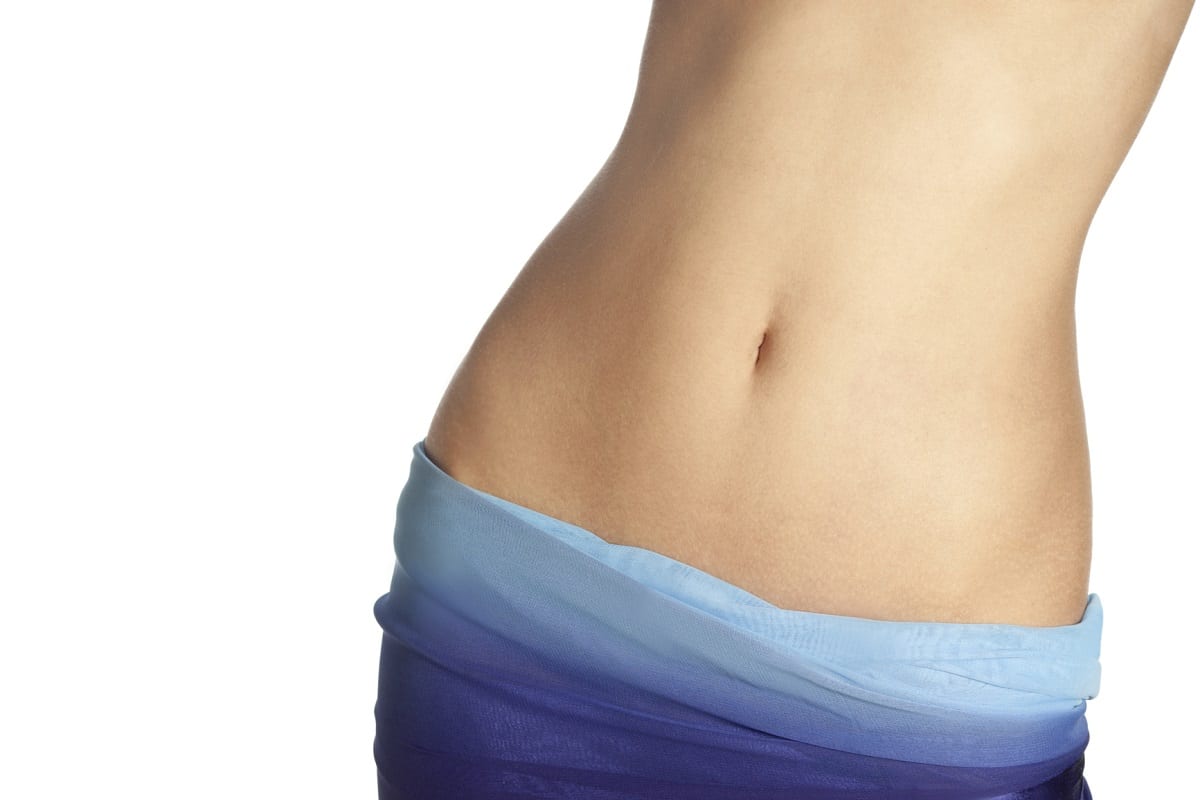
If that Post-Baby Bulge Won’t Budge, a Tummy Tuck May Help

All Tummy Tucks Aren’t Created Equal & More Need-to-Know Facts


Do You Really Need a Compression Garment after a Tummy Tuck?
Written By: Dr. Joseph Castellano
Dr. Joseph Castellano is a native Floridian who grew up in the Tampa Bay area. After medical school and residency, Dr. Castellano returned home and has opened a practice in Tampa, Florida focusing on breast augmentation, abdominoplasty, liposuction, facelift, and eyelid rejuvenation. He is a member of the American Board of Cosmetic Surgery, American College of Surgeons, and American Medical Association
More about Dr. Joseph Castellano | Dr. Joseph Castellano Reviews
Last Reviewed: October 12th, 2026