Getting comfortable enough to actually sleep after a tummy tuck is one of the biggest complaints Tampa patients bring up in the first two weeks of recovery, and the fix has nothing to do with willpower and everything to do with positioning.
- Sleep at a 30-45 degree recline with knees bent for the first 1-2 weeks after a tummy tuck in 2026 — flat sleeping strains the incision.
- A wedge pillow or adjustable bed beats a stack of couch cushions for keeping the angle consistent all night.
- Most patients transition to flatter sleep by week 4-6, once swelling drops and the abdominal wall has settled.
- Skip sleeping on your side or stomach until your surgeon clears it, usually around week 3-4.
Why this matters
A tummy tuck tightens the abdominal muscles and repositions skin, and lying flat too soon pulls directly on that repair line. Surgeons in Tampa routinely tell patients to sleep reclined and bent at the hips for the first one to two weeks in 2026, the same guidance that's held steady for years because the anatomy hasn't changed.
Sleeping in the wrong position doesn't just hurt — it can increase swelling, slow healing, and make the compression garment after a tummy tuck feel unbearable by 3 a.m. Get the setup right before surgery day, not after.
What you'll need
- A wedge pillow system (a lower wedge for the torso, a smaller one under the knees) or an adjustable bed/recliner
- 2-3 extra pillows for side bolstering so you don't roll over in your sleep
- Your compression garment, worn as directed
- Pain medication on a schedule, not just "as needed," for the first several nights
- A phone charger and water bottle within arm's reach — getting up isn't easy the first week
- A support person nearby for the first 48-72 hours
The steps
1. Set up your sleep station before surgery, not after
Recovery starts the moment you wake up from anesthesia, so the wedge pillows, extra blankets, and phone charger need to already be in place. Patients who try to improvise this on night one in 2026 end up hunting for pillows at 2 a.m. instead of resting.
2. Recline at 30-45 degrees for the first 1-2 weeks
This angle takes tension off the abdominal incision and reduces pulling at the muscle repair. A wedge pillow or an adjustable bed set to a similar recline gets you there without the slipping you'd get from stacking regular pillows against a headboard.
3. Bend your knees and keep hips flexed
A pillow under your knees, or sleeping in a recliner with the footrest up, keeps your hips slightly flexed, which relaxes the abdominal wall. Skipping this step is one of the most common reasons patients report waking up with sharp pulling pain around the incision.
4. Bolster your sides to prevent rolling
Rolling onto your side or stomach in your sleep is almost automatic if you normally sleep that way, and it puts direct pressure on fresh sutures. Wedge a pillow on each side of your torso for the first week so an unconscious roll gets stopped before it happens.
5. Time your pain medication around bedtime
Taking your prescribed medication roughly 30 minutes before you settle in gives it time to kick in before discomfort spikes. Patients who wait until they're already in pain to take a dose tend to have a much harder time falling asleep — check how to manage tummy tuck pain without opioids if you're trying to limit narcotic use.
6. Lower the recline angle gradually each week
Around week 2, most patients can drop from 30-45 degrees to a gentler recline as swelling and tightness ease. Rushing this — going flat too early because you're tired of the wedge pillow — is the most avoidable setback in this whole recovery.
7. Get medical clearance before sleeping flat or on your side
Most Tampa patients get the green light to sleep flatter around week 4, and side-sleeping typically waits until week 3-4 depending on healing. Stomach sleeping is usually the last position cleared, often not until 6 weeks out. Ask at your follow-up rather than guessing based on how you feel.
8. Build a wind-down routine that doesn't involve extra activity
Avoid scrolling on your phone propped on your stomach or twisting to reach for things on a nightstand — both stress the incision in small ways that add up. A calm, low-movement routine in the last 30 minutes before sleep matters more after surgery than it usually does.
Planning your tummy tuck recovery?
Talk through your timeline and positioning plan before surgery day.
Troubleshooting
Can't fall asleep even with the wedge pillow set up. Try adjusting the angle slightly — too steep is as uncomfortable as too flat. A recliner sometimes solves this better than a bed setup because it holds the angle without sliding.
Waking up on your side or stomach. This means your side bolsters aren't tight enough. Add a third pillow or try a body pillow that wraps around your torso instead of two loose ones.
Lower back pain from the reclined position. A small pillow in the curve of your lower back, in addition to the knee pillow, usually fixes this. Reclining for days at a time puts new strain on the back that flat sleeping doesn't.
Swelling feels worse at night. Elevation helps daytime swelling but doesn't eliminate nighttime bloating, which is common and often peaks around week 2 — see bloating after a tummy tuck for what's normal.
Partner disturbing your position. Sleeping separately for the first 1-2 weeks isn't overkill — an accidental bump or shift from a partner rolling over can genuinely disrupt healing.
Incision discomfort when changing position. Moving slowly and using your arms to push up rather than engaging your core reduces strain every time you shift.
Tools and resources
- A wedge pillow system or adjustable bed frame
- Your prescribed compression garment
- A pain medication schedule from your surgeon
- A packed bag for surgery day itself — see how to pack for tummy tuck surgery day so the sleep setup is ready before you're back home
FAQ
How long do you have to sleep elevated after a tummy tuck?
Most patients sleep at a 30-45 degree recline for the first 1-2 weeks after a tummy tuck, then gradually flatten the angle over weeks 2-4 as swelling and tightness ease.
Can I sleep on my side after a tummy tuck?
Side sleeping is usually cleared around week 3-4, once the incision and muscle repair have stabilized enough to tolerate the pressure. Check with your surgeon at your follow-up rather than testing it early.
What’s the best pillow setup for tummy tuck recovery?
A wedge pillow under the torso paired with a smaller pillow under the knees keeps you reclined with hips flexed, which is the position surgeons recommend for the first 1-2 weeks in 2026.
Is it normal to not sleep well after a tummy tuck?
Disrupted sleep in the first week is common due to positioning changes, medication timing, and swelling. It typically improves by week 2-3 as the reclined setup becomes more comfortable.
When can I sleep flat again after a tummy tuck?
Many patients can sleep flatter around week 4, though full flat sleeping without any recline sometimes waits until 6 weeks depending on individual healing.
Do I need a recliner for tummy tuck recovery?
A recliner isn’t required but many patients find it easier than a wedge pillow setup because it holds the recline angle without slipping overnight.
Why does sleeping position matter so much after a tummy tuck?
Lying flat too soon pulls directly on the abdominal muscle repair and incision line, which can increase swelling and slow healing. A reclined, knees-bent position takes tension off both.
One last thing
The detail patients underestimate most isn't the pillow angle — it's how much nighttime bloating can throw off an otherwise solid sleep setup. Bloating tends to peak in the second week, which is exactly when patients are tempted to abandon the recline and sleep flat out of frustration. Sticking with the elevated position through that peak, rather than giving up on it, is usually what separates a smooth week 3 from a painful one.
Related guides
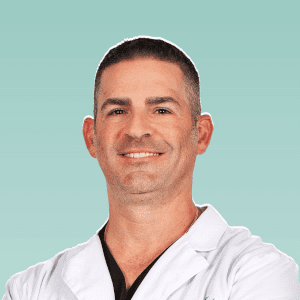
Author: Dr. Joseph Castellano
Dr. Joseph Castellano is a native Floridian who grew up in the Tampa Bay area. After medical school and residency, Dr. Castellano returned home and has opened a practice in Tampa, Florida focusing on breast augmentation, abdominoplasty, liposuction, facelift, and eyelid rejuvenation. He is a member of the American Board of Cosmetic Surgery, American College of Surgeons, and American Medical Association