Melasma doesn't respond to whatever serum you saw on social media, and Tampa's sun makes it worse faster than most other cities in Florida. This guide breaks down which med spa treatments actually work for melasma in 2026, which ones can backfire, and what a realistic timeline looks like for Tampa Bay skin.
TL;DR
For melasma treatment in Tampa, a layered approach wins: strict SPF 50 daily, a prescription-grade topical regimen, and a chemical peel series booked outside peak UV months. Castellano Cosmetic Surgery Center treats melasma as a med spa case, not a laser-first case, because aggressive lasers can trigger rebound pigmentation in darker or sun-exposed skin. Verdict: topical regimen plus scheduled peels is the Buy; aggressive ablative laser or IPL without sun control is the Skip for most Tampa patients in 2026.
Why this matters
Melasma is a hormonally-influenced, sun-triggered pigmentation condition, and Tampa sits at a UV index that stays moderate-to-high nearly year-round. That combination means treatments that work fine in a low-sun climate can fail or backfire here. Patients who jump straight to laser resurfacing without addressing sun exposure and topical maintenance often see melasma return within a few months, sometimes darker than before.
The treatment that works isn't always the flashiest one. It's the one matched to your skin tone, your trigger (sun, hormones, or both), and your willingness to stick with daily SPF.
Who this is for
This guide is for Tampa Bay adults dealing with brown or gray-brown patches on the cheeks, forehead, upper lip, or chin that got worse after sun exposure, pregnancy, or starting hormonal birth control. It's built for people who've tried an over-the-counter brightening cream, gotten mild results, and want to know what a med spa can actually do differently. If you're weighing options at Castellano Cosmetic Surgery Center, this covers what to ask for and what to avoid before you book.
What to look for in melasma treatment for Tampa patients
A provider who screens for Fitzpatrick skin type first
Melasma treatment isn't one-size-fits-all — what's safe for lighter skin can trigger post-inflammatory hyperpigmentation in medium-to-deep skin tones common across Tampa Bay's diverse population. A provider who asks about your skin type and sun reaction before recommending a laser is doing it right. One who jumps straight to a device without that conversation is a red flag in 2026.
Sun protection built into the plan, not mentioned once
Melasma is triggered and worsened by UV and even visible light. Any treatment plan that doesn't include a specific SPF 50 broad-spectrum recommendation and a plan for daily reapplication in Tampa's climate is incomplete. Ask what SPF they recommend and how often they expect you to reapply during a normal outdoor day.
A topical regimen before or alongside procedures
Tretinoin, azelaic acid, or hydroquinone-based compounds (where appropriate and typically prescribed) do the heavy lifting for maintenance. Procedures accelerate results, but skipping topicals means the pigment often returns within 3-6 months. A good plan uses both.
Conservative energy settings on any laser or peel
Aggressive settings clear pigment fast and also carry the highest risk of rebound melasma, especially on tanned or naturally deeper skin. Gradual, lower-energy sessions spaced out over weeks are the safer, more predictable route for 2026 treatment plans.
A realistic timeline, not a one-visit promise
Melasma responds slowly. Providers who promise clearance in one or two visits are setting you up for disappointment or overtreatment. Three to six sessions spaced over 8-12 weeks is a more honest range for peel or topical-based plans.
Hormonal history taken into account
If your melasma started or worsened during pregnancy or after starting birth control, that context changes the plan. A provider who asks about this before recommending laser is thinking past the surface pigment.
Top picks: melasma treatment options in Tampa for 2026
1. Prescription topical regimen — the foundation
Tretinoin or hydroquinone-based compounded creams, used nightly, remain the most evidence-backed first step for melasma management. Expect visible fading over 8-12 weeks with consistent use, not days. This is the treatment most likely to hold results long-term when paired with SPF. Verdict: Buy — start here regardless of what procedure you add.
2. Chemical peel series (superficial to medium depth)
A series of 3-6 peels, spaced 3-4 weeks apart, lifts pigment gradually without the rebound risk that comes with aggressive lasers. Downtime runs 2-5 days of flaking depending on peel depth. This is the most reliable in-office option for melasma across skin tones in 2026. Verdict: Buy for most patients, especially when paired with topicals.
3. Fractional non-ablative laser (cautious, provider-dependent)
Used conservatively, low-energy fractional treatments can help stubborn cases that plateau on peels alone. This only works with a provider experienced in melasma-specific settings — generic "skin rejuvenation" laser packages aren't built for this. Verdict: Consider, but only with a provider who screens skin type first and starts low.
4. Combination med spa protocol (topical + peel + SPF coaching)
Stacking a prescription regimen with a scheduled peel series and ongoing SPF accountability produces the most durable results tracked through 2026 patient follow-ups at practices treating melasma regularly. This is the plan most Tampa providers land on after the first consult. Verdict: Buy — it's the standard of care for a reason.
5. Aggressive ablative laser or unregulated IPL packages
High-energy ablative resurfacing and generic IPL "photofacial" packages marketed for pigmentation frequently trigger post-inflammatory hyperpigmentation in melasma-prone skin, undoing months of progress in one session. Verdict: Skip unless a board-certified provider has specifically cleared you after a skin-type evaluation.
What to avoid
- One-and-done laser promises. Melasma is chronic and sun-reactive; any plan claiming permanent clearance after a single session is overselling.
- Skipping SPF because "the treatment handles it." No procedure outruns daily unprotected sun exposure in a city with Tampa's UV profile.
- DIY high-strength peels or at-home devices. Over-the-counter peel kits marketed for "dark spots" often use inconsistent acid concentrations that can burn or worsen melasma without professional supervision.
Verdict comparison table
| Treatment | Best For | Sessions Needed | Downtime | Verdict |
|---|---|---|---|---|
| Prescription topicals | All melasma types, maintenance | Ongoing nightly use | None | Buy |
| Chemical peel series | Moderate, stubborn patches | 3-6, every 3-4 weeks | 2-5 days | Buy |
| Fractional non-ablative laser | Plateaued cases, experienced provider | 3-5 | 1-3 days | Consider |
| Combination protocol | Most Tampa patients in 2026 | Ongoing + 3-6 peels | Staggered | Buy |
| Aggressive ablative/IPL | Not melasma-specific | 1-3 | 5-10+ days | Skip |
FAQ
What's the best melasma treatment in Tampa?
A combination protocol — prescription topicals plus a scheduled chemical peel series, backed by daily SPF 50 — produces the most durable results for melasma treatment in Tampa as of 2026. Laser alone, without topicals and sun control, tends to underperform.
Is laser better than chemical peels for melasma?
Not automatically. Aggressive laser carries a higher rebound risk in melasma-prone skin, while a well-spaced peel series offers more predictable, gradual fading with lower risk of post-inflammatory darkening.
How much does melasma treatment cost in Tampa?
Costs vary by provider and plan — a single peel, a peel series, and prescription compounds each carry different pricing, so a consult is the accurate way to get a number specific to your skin and goals.
How long does melasma treatment take to work?
Most patients see visible fading over 8-12 weeks with consistent topical use, and a full peel series often runs 12-24 weeks depending on spacing. Melasma responds slowly and needs maintenance, not a quick fix.
Can melasma come back after treatment?
Yes, melasma is chronic and sun-reactive, which is why ongoing SPF and maintenance topicals matter even after pigment clears. Without daily sun protection, most Tampa patients see some recurrence within a season.
Does melasma treatment work on all skin tones?
Treatment plans need to be matched to Fitzpatrick skin type — what's safe for lighter skin can trigger hyperpigmentation in medium-to-deep tones, so a provider should assess this before recommending laser specifically.
Is melasma the same as sun spots or age spots?
No. Melasma is typically larger, symmetrical, and hormonally influenced, while sun spots are usually smaller and purely UV-driven — the distinction changes which treatment responds best.
Should I see a dermatologist or a med spa for melasma?
A board-certified provider who evaluates skin type, hormonal history, and sun exposure before recommending a plan is the right fit, whether that's framed as dermatology or med spa services.
One last thing
The single biggest predictor of whether melasma treatment holds isn't the device or the peel strength — it's whether the patient actually reapplies SPF 50 mid-day, every day, through Tampa's full sun season. Providers who spend more consult time on sunscreen habits than on selling a laser package are usually the ones getting results that last past 2026.
Related guides
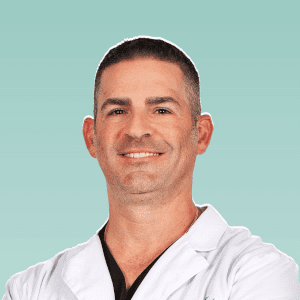
Author: Dr. Joseph Castellano
Dr. Joseph Castellano is a native Floridian who grew up in the Tampa Bay area. After medical school and residency, Dr. Castellano returned home and has opened a practice in Tampa, Florida focusing on breast augmentation, abdominoplasty, liposuction, facelift, and eyelid rejuvenation. He is a member of the American Board of Cosmetic Surgery, American College of Surgeons, and American Medical Association