If you're researching laser skin resurfacing in Tampa, this page covers the main treatment types available in 2026, realistic cost ranges, and what your skin actually goes through during recovery — so you can walk into a consultation already knowing the right questions to ask.
TL;DR: Laser skin resurfacing in Tampa addresses wrinkles, sun damage, acne scars, and uneven texture by removing or remodeling the outer skin layers. In 2026, Tampa patients pay roughly $1,000–$5,000+ depending on whether they choose ablative or non-ablative technology and how much area is treated. Downtime runs from zero days (fractional non-ablative) to two weeks (full ablative CO2). A board-certified surgeon evaluation is the only reliable way to match the right laser to your skin type and goal.
Why This Matters for Tampa Patients
Tampa's climate works against your skin. Year-round UV exposure accelerates photoaging faster than in northern states, and humidity-driven oil production can worsen texture concerns. That combination makes laser resurfacing one of the most requested skin treatments at cosmetic surgery centers in the area — and also one of the most frequently misunderstood. Patients often arrive expecting one treatment to do everything; in reality, the laser type, settings, and number of sessions determine results as much as the technology brand on the machine.
In 2026, the range of options is wider than ever, which makes choosing harder. This guide breaks it down by who each treatment actually fits.
Who This Guide Is For
This page is written for Tampa adults who have visible sun damage, fine lines, acne scarring, or uneven skin tone and are deciding whether laser resurfacing is the right next step — or which type of laser to pursue. It assumes you're comparing treatment options before booking a consult, not after. If you've already been recommended a specific device, the cost and downtime sections will confirm whether what you were quoted is in line with the Tampa market in 2026.
What to Look for in Laser Skin Resurfacing for Your Skin Concerns
Ablative vs. Non-Ablative Technology
Ablative lasers — CO2 and Erbium:YAG — remove the outer skin layer entirely. They produce the most dramatic results for deep wrinkles and significant sun damage, but they also carry the longest downtime: 7–14 days of redness, peeling, and raw-looking skin. Non-ablative lasers heat tissue without removing it, which means minimal downtime but also more gradual improvement over multiple sessions. The choice between them is not about which is "better" — it's about how much downtime you can absorb and how significant your concern is.
Fractional vs. Full-Field Treatment
Fractional lasers (both ablative and non-ablative) treat a percentage of the skin surface in microscopic columns, leaving surrounding tissue intact to speed healing. Full-field ablative resurfacing treats every square millimeter of the target area. Fractional treatment cuts downtime significantly — fractional CO2, for example, averages 5–7 days versus 10–14 for full-field — but typically requires more sessions to reach the same endpoint.
Fitzpatrick Skin Type Compatibility
This is the factor most patients don't ask about in 2026 and should. Aggressive ablative lasers carry meaningful risk of post-inflammatory hyperpigmentation (PIH) on medium-to-darker skin tones (Fitzpatrick IV–VI). A provider who doesn't assess your skin type before recommending a device is skipping a critical safety step. At Castellano Cosmetic Surgery Center, the consultation process evaluates skin type before any laser recommendation is made.
Number of Sessions Required
Full ablative CO2 resurfacing typically achieves significant results in one session. Fractional non-ablative treatments — such as Fraxel-type devices — generally require 3–5 sessions spaced 4–6 weeks apart. Know this going in so you can budget time and cost accurately. A single-session quote that sounds affordable may be for a fractional protocol that actually requires four visits.
Provider Qualifications
Laser energy settings, pulse duration, and technique directly affect outcomes and complication risk. In Florida, laser devices can legally be operated by multiple license categories, but outcomes for complex resurfacing are consistently better under board-certified surgeon oversight. If the center offering your treatment doesn't have physician-level oversight, ask explicitly who is calibrating the device and who manages complications.
Realistic Expectations for Skin Quality
Laser resurfacing improves texture, reduces the appearance of fine lines, and addresses pigment irregularities. It does not replace structural volume loss (a concern better addressed by fat transfer or fillers), and it does not eliminate deep folds. Patients who come in expecting resurfacing to replicate a facelift outcome leave disappointed. The procedure does one thing very well: it remodels the surface.
Tampa Laser Resurfacing: Treatment Types and What They Cost in 2026
Full Ablative CO2 Resurfacing
The most aggressive option. Full-field CO2 lasers vaporize the entire outer skin layer, triggering significant collagen remodeling. Results from one session can last 5–10 years on average. Tampa pricing in 2026 runs $2,500–$5,000+ depending on the area treated (full face vs. perioral zone only). Downtime: 10–14 days. Best for: Significant photoaging, deep wrinkles, extensive acne scarring on patients with lighter skin tones.
Fractional Ablative CO2
The compromise between results and recovery. Fractional CO2 delivers the same wavelength as full ablative but treats 20–40% of the skin surface per session, leaving the rest intact. Downtime drops to 5–7 days. Most patients see strong results after 1–2 sessions. Tampa cost range: $1,500–$3,500 per session. Best for: Patients who want meaningful improvement without two weeks of social downtime.
Erbium:YAG Resurfacing
Cleaner healing, less depth. Erbium lasers remove tissue with less thermal spread than CO2, which means reduced post-treatment redness and faster healing — typically 5–7 days for full-field treatment. The tradeoff is less collagen stimulation, making it more appropriate for mild-to-moderate concerns. Tampa pricing: $1,200–$3,000. Best for: Fine lines, mild sun damage, patients with medium skin tones where CO2 carries higher PIH risk.
Fractional Non-Ablative (Fraxel-Type)
Minimal downtime, incremental results. Non-ablative fractional devices heat the dermis without breaking the surface. Redness resolves in 1–3 days. Results accumulate across 3–5 sessions. Total protocol cost in Tampa: $3,000–$6,000 across the full series, or $800–$1,500 per session. Best for: Mild-to-moderate texture concerns, maintenance patients, and those with active schedules who cannot manage extended downtime.
What to Avoid
- Choosing based on device brand alone. The name on the machine matters far less than the provider's technique and settings. Two practices using the same CO2 platform can produce very different outcomes.
- Booking ablative resurfacing before a sun exposure cutoff. Active tanning — especially in Tampa's climate — significantly increases PIH risk with ablative treatments. Most protocols require 4–6 weeks of strict sun avoidance before treatment.
- Treating resurfacing as a standalone decision. If your concern is primarily volume loss or laxity rather than surface texture, resurfacing may do little for your actual goal. A consult that evaluates the full picture — skin quality, structure, and tone — produces better treatment matching than one that starts with "which laser do you want?"
Side-by-Side Comparison
| Treatment | Downtime | Sessions Needed | Tampa Cost (2026) | Best Skin Concern |
|---|---|---|---|---|
| Full Ablative CO2 | 10–14 days | 1 | $2,500–$5,000+ | Deep wrinkles, severe sun damage |
| Fractional Ablative CO2 | 5–7 days | 1–2 | $1,500–$3,500/session | Moderate-to-significant resurfacing |
| Erbium:YAG | 5–7 days | 1–2 | $1,200–$3,000 | Mild-to-moderate, medium skin tones |
| Fractional Non-Ablative | 1–3 days | 3–5 | $800–$1,500/session | Mild texture, maintenance |
FAQ
What is the average cost of laser skin resurfacing in Tampa in 2026?
Cost depends heavily on the laser type and area treated. Non-ablative fractional sessions start around $800–$1,500 per visit. Full ablative CO2 resurfacing of the full face runs $2,500–$5,000+. A consultation at Castellano Cosmetic Surgery Center will produce a specific quote for your treatment area and goals.
How much downtime does laser resurfacing require?
Non-ablative fractional treatments: 1–3 days of redness. Fractional ablative CO2: 5–7 days. Full ablative CO2: 10–14 days. Most patients plan resurfacing around a work break or a period without social obligations.
Is laser skin resurfacing safe for darker skin tones?
Aggressive ablative lasers carry elevated post-inflammatory hyperpigmentation risk for Fitzpatrick IV–VI skin types. Non-ablative or lower-energy fractional devices are generally safer options for medium-to-darker skin. Your provider should assess Fitzpatrick type before recommending a protocol.
How many laser resurfacing sessions will I need?
Full ablative CO2: typically 1. Fractional ablative: 1–2. Fractional non-ablative: 3–5 sessions spaced 4–6 weeks apart. The number depends on your starting skin condition and treatment goals.
When will I see results after laser resurfacing?
Initial texture improvement is visible after 2–4 weeks once swelling and redness resolve. Collagen remodeling continues for 3–6 months after treatment, so full results are not immediate. Patients often see the most noticeable change at the 3-month mark.
Does laser resurfacing hurt?
Topical numbing cream is applied before most treatments. Ablative procedures may use local anesthesia or oral sedation depending on the area and patient tolerance. Most patients describe fractional non-ablative treatments as a warm, prickling sensation that resolves quickly after the session.
How long do laser resurfacing results last?
Full ablative CO2 results are the most durable — 5–10 years on average for wrinkle reduction, though photoaging continues after treatment. Non-ablative fractional results are more incremental and often supported by maintenance sessions every 12–18 months.
Can laser resurfacing be combined with other procedures?
Yes. Resurfacing is often paired with injectables, PDO thread lifts, or fat transfer to address both surface texture and structural concerns simultaneously. Combining treatments can reduce total recovery time compared to staging them separately. A surgeon-led consult determines whether combination is appropriate for your goals.
One Last Thing
The single most common mistake Tampa patients make with laser resurfacing in 2026 is treating the consultation as a formality after they've already decided on a device. The consultation is where the actual decision happens. Skin type, existing pigmentation, sun history, and the specific concern you want addressed all affect which laser, which settings, and how many sessions produce a safe and effective result. Two patients sitting next to each other with the same chief complaint — "I want my sun damage treated" — may be appropriate candidates for completely different protocols. Come in with your questions, not your conclusion.
For more on the surgical and non-surgical procedures available at Castellano Cosmetic Surgery Center, the PDO thread lift Tampa guide covers a complementary treatment that addresses laxity alongside resurfacing. If you're weighing broader skin and facial aging concerns, the signs your face is aging and what cosmetic surgery can fix post gives useful context for sequencing treatments.
Related Guides
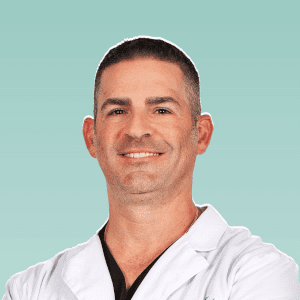
Author: Dr. Joseph Castellano
Dr. Joseph Castellano is a native Floridian who grew up in the Tampa Bay area. After medical school and residency, Dr. Castellano returned home and has opened a practice in Tampa, Florida focusing on breast augmentation, abdominoplasty, liposuction, facelift, and eyelid rejuvenation. He is a member of the American Board of Cosmetic Surgery, American College of Surgeons, and American Medical Association