IPL photofacial (intense pulsed light) targets the visible redness, flushing, and broken vessels that come with rosacea, and in Tampa it's one of the most requested med spa treatments for patients tired of covering up with makeup. This guide breaks down who it actually works for, what to check before booking, and which protocol fits your skin.
TL;DR
IPL photofacial for rosacea in Tampa is a Buy for patients with mild-to-moderate redness and visible vessels who commit to a 3-5 session series spaced three to four weeks apart. It does not cure rosacea — no treatment does — but it reduces the redness and flushing that trigger most complaints. Combining IPL with a light chemical peel or a topical routine tends to hold results longer than IPL alone. Patients with active cystic breakouts, very dark skin tones, or a recent deep tan should hold off and ask about laser alternatives instead.
Why this matters
Rosacea in Florida is a different animal than rosacea in a cooler climate. Heat, humidity, sun exposure, and alcohol at Tampa Bay social events are all classic triggers, which means the flushing tends to come back faster here than in patients living somewhere less sunny. IPL doesn't remove the underlying tendency toward rosacea — it treats the visible result: the dilated capillaries and diffuse redness sitting in the skin. Picking the right protocol, and pairing it with sun protection, is what separates a good outcome from a six-month relapse.
IPL photofacial in Tampa is typically priced per session and scales with how much surface area needs treatment — face only versus face, neck, and chest.
Who this is for
This guide is written for adults with diagnosed or suspected rosacea, Fitzpatrick skin types I through IV, who see persistent facial redness, visible thread veins, or flushing that doesn't fully calm down between flare-ups. It's for patients who've tried topical prescriptions with partial results and want something that addresses the vascular component directly, not the person looking for a one-and-done fix or someone with active acne-rosacea cysts that need a dermatologist's medical management first.
What to look for in IPL photofacial for rosacea
Fitzpatrick skin type screening
IPL works by targeting the contrast between hemoglobin in blood vessels and the surrounding skin, so it performs best on lighter and medium skin tones. Providers should assess your Fitzpatrick type before quoting a treatment plan — deeper skin tones carry a higher risk of pigment changes with standard IPL settings, and a vascular-specific laser may be the safer route instead.
Session count built around rosacea, not just pigmentation
Rosacea redness typically needs more sessions than a single sun-damage photofacial. Most protocols run 3 to 5 sessions spaced 3-4 weeks apart, because vessels respond gradually and stacking treatments too close together increases irritation risk without adding benefit.
Downtime and rebound redness
Expect 24 to 72 hours of pink, slightly swollen skin after each session — that's the treatment working, not a complication. What matters is whether the provider sets expectations upfront versus letting you find out on day one that you'll look flushed for a work event.
Provider experience with vascular conditions specifically
A lot of med spas run IPL for sun spots and general pigmentation but have limited experience calibrating settings for rosacea's fragile, reactive vessels. Ask directly how many rosacea cases the treating provider has handled and what adjustments they make versus a standard photofacial for pigment.
Combination protocol availability
IPL alone helps the vascular redness, but texture, pore size, and mild pigment often respond better when IPL is paired with a superficial chemical peel or a maintenance topical routine. A practice that only offers IPL as a stand-alone service is limiting your options.
Realistic outcome framing
Anyone promising rosacea will be gone after IPL is overselling it. The honest framing is redness reduction and fewer visible vessels — flare-ups can still happen with heat, sun, alcohol, or stress, and maintenance sessions once or twice a year are common.
Top picks
The baseline protocol — standard IPL photofacial series
The safe, well-studied starting point for most rosacea patients. A typical series runs 3 to 5 sessions, 3-4 weeks apart, treating the full face or targeted cheek and nose zones where redness concentrates. Verdict: Buy for mild-to-moderate diffuse redness and visible thread veins on lighter-to-medium skin tones.
The layered approach — IPL plus a light chemical peel
Pairing IPL with a superficial chemical peel in the same treatment plan addresses redness and surface texture together, which matters for rosacea patients who also deal with rough patches or clogged pores from years of topical steroids or antibiotics. Sessions are usually staggered rather than done same-day to limit irritation. Verdict: Consider if texture or dullness bothers you as much as the redness does.
The texture fix — microneedling as an adjunct
Microneedling doesn't touch vascular redness directly, but it's a reasonable add-on once the IPL series calms the flushing, especially for patients left with enlarged pores or fine scarring from years of picking at breakouts. Check microneedling in Tampa for session counts and downtime before stacking it onto an active IPL plan. Verdict: Consider, but sequence it after the redness has settled, not alongside active IPL sessions.
The slow-and-steady pick — topicals only
Prescription metronidazole, azelaic acid, or ivermectin creams manage mild rosacea without any procedure at all, and they're the right starting point for very mild, occasional flushing. They do very little for established visible vessels, though, which is the main complaint that drives most patients to ask about IPL in the first place. Verdict: Consider for mild cases, Skip if visible vessels or persistent redness are the primary concern.
The wildcard for deep vessels — vascular laser (Nd:YAG)
For thicker, more established vessels that don't respond well to broad-spectrum IPL, a dedicated vascular laser delivers more targeted energy to a single vessel at a time. It's more precise but typically costs more per session and treats a smaller area per pass. Verdict: Consider if a provider identifies vessels too deep or too thick for standard IPL settings.
What to avoid
- Single-session promises. Anyone marketing IPL for rosacea as a one-time fix is setting you up for disappointment — plan on the full 3-5 session series before judging results.
- Skipping the skin type screening. A provider who books you for standard IPL settings without asking about your Fitzpatrick type or recent sun exposure is skipping a real safety step.
- Booking right before a beach trip or wedding. Redness and mild swelling after each session take a few days to settle — schedule your last session at least two weeks out from any event where you want camera-ready skin.
Verdict comparison table
| Option | Sessions needed | Downtime | Best for | Verdict |
|---|---|---|---|---|
| Standard IPL series | 3-5, every 3-4 weeks | 24-72 hrs redness | Diffuse redness, visible vessels | Buy |
| IPL + chemical peel | 3-5 IPL + 1-3 peels | 2-4 days combined | Redness plus texture/dullness | Consider |
| Microneedling adjunct | 3-4, after IPL series | 1-3 days | Pore size, mild scarring post-redness | Consider |
| Topicals only | Ongoing daily use | None | Mild, occasional flushing | Consider/Skip |
| Vascular laser (Nd:YAG) | 2-4, spaced out | 2-5 days | Thick, established vessels | Consider |
FAQ
What is the best IPL photofacial approach for rosacea in Tampa?
A standard IPL series of 3 to 5 sessions spaced 3-4 weeks apart is the most common starting point for mild-to-moderate rosacea redness, with combination peels added if texture is also a concern.
Is IPL better than laser for rosacea?
IPL treats broad areas of diffuse redness efficiently, while a dedicated vascular laser is better suited to thicker, more established individual vessels — the right choice depends on what your skin is actually showing.
How many IPL sessions do you need for rosacea?
Most rosacea protocols run 3 to 5 sessions, spaced three to four weeks apart, because vessels respond gradually rather than clearing in one pass.
Does IPL cure rosacea permanently?
No — IPL reduces visible redness and vessels, but the underlying tendency toward rosacea remains, so flare-ups from heat, sun, or alcohol can still happen and maintenance sessions are common.
How much does IPL photofacial cost in Tampa?
Pricing scales with treatment area and how many sessions your case requires, so a full breakdown of typical costs is worth reviewing before you book a series.
Can IPL make rosacea worse?
Poorly calibrated settings on fragile, reactive rosacea skin can cause extra irritation or rebound redness, which is why provider experience with vascular conditions specifically matters more than general med spa experience.
Who should avoid IPL for rosacea?
Patients with very dark skin tones, active cystic acne-rosacea, or a recent deep tan should hold off and discuss vascular laser alternatives or topical management first.
How soon do you see results after IPL for rosacea?
Some reduction in redness is visible within days of a single session, but the full effect builds across the entire 3-5 session series rather than showing up all at once.
One last thing
Tampa's UV index runs high most of the year, and sun exposure is the fastest way to undo an IPL series — strict sun avoidance and daily SPF for at least four to six weeks after each session matters more than which specific device the provider uses. Patients who skip that step routinely see redness creep back within a couple months, which turns a good result into a repeat expense by mid-2026.
Vetting the provider matters as much as the device. Check what a Tampa med spa actually offers for rosacea-specific cases, not just general photofacial menus, before booking a series in 2026.
Related guides
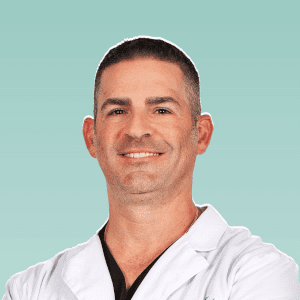
Author: Dr. Joseph Castellano
Dr. Joseph Castellano is a native Floridian who grew up in the Tampa Bay area. After medical school and residency, Dr. Castellano returned home and has opened a practice in Tampa, Florida focusing on breast augmentation, abdominoplasty, liposuction, facelift, and eyelid rejuvenation. He is a member of the American Board of Cosmetic Surgery, American College of Surgeons, and American Medical Association