Blepharoplasty is a short outpatient procedure, but the two weeks before surgery decide how smooth your recovery goes. Here's the exact prep checklist Tampa patients follow before upper or lower eyelid surgery, from stopping blood thinners to setting up your couch for 48 hours of ice packs.
- Stop aspirin, ibuprofen, fish oil, and vitamin E 14 days before eyelid surgery to limit bruising.
- Arrange a driver and a recovery helper for the first 24-48 hours after blepharoplasty.
- Most patients need 7-10 days off work for visible bruising and swelling to fade.
- Upper and lower blepharoplasty at Castellano Cosmetic Surgery Center each carry different prep steps — confirm which one you’re having.
Why this matters
Eyelid surgery moves fast on the table — most blepharoplasty procedures run 1 to 2 hours — but the eyelid skin bruises and swells more visibly than almost anywhere else on the face. Skip a prep step and you're looking at heavier bruising, longer downtime, or a rescheduled surgery date because a blood thinner was still in your system.
Dr. Joseph Castellano and Dr. Mindi Giglio at Castellano Cosmetic Surgery Center walk every blepharoplasty patient through the same pre-op sequence in Tampa: medication review, a recovery plan, and a home setup that matches whether you're having upper lids, lower lids, or both done in 2026.
What you'll need
- A cleared list of current medications and supplements to review at your consult
- A driver for the day of surgery — you cannot drive yourself home
- A helper on hand for the first 24-48 hours, especially if you're having lower eyelid surgery
- Ice packs or a bag of frozen peas, plus a cloth barrier for your skin
- 2-3 extra pillows to sleep at an incline
- Preservative-free artificial tears
- A button-up or zip-front shirt for surgery day — nothing that pulls over your head
- 7-10 days blocked off from work or public commitments
If you haven't decided between upper and lower procedures, upper vs. lower blepharoplasty breaks down which one addresses hooding versus under-eye bags, since the prep and recovery differ slightly between the two.
The steps
1. Confirm your procedure and get medical clearance
Your consultation is where the surgeon decides whether you need upper eyelid surgery, lower, or both, and whether you're a candidate at all. Certain eye conditions, dry eye severity, and thyroid issues can change the surgical plan or push it out.
Bring a full medical history and any recent eye exams. If you take blood pressure medication, have glaucoma, or wear contacts, mention all of it — these details shape your specific instructions. The overview at eyelid surgery in Tampa covers what the procedure itself involves once you're cleared.
Common mistake: patients assume one consult is enough to book surgery. Complex cases, especially combined upper-and-lower blepharoplasty, sometimes need a second visit or updated bloodwork first.
2. Stop blood thinners and bruise-promoting supplements
Aspirin, ibuprofen, naproxen, fish oil, vitamin E, and ginkgo biloba all thin the blood and worsen eyelid bruising. Most surgeons ask patients to stop these 14 days before surgery — eyelid skin is thin enough that even minor bleeding shows up as significant bruising.
Acetaminophen is generally fine for pain in this window. If you're on a prescribed blood thinner for a medical condition, that decision goes through your prescribing physician, not a self-stop.
Common mistake: stopping supplements the week of surgery instead of two full weeks out. Fourteen days is the minimum for these compounds to clear.
3. Arrange your ride and your recovery help
You will not drive yourself home after blepharoplasty — sedation and swelling both affect your vision and reaction time. Line up a driver for surgery day and, ideally, someone who can stay with you for the first night.
Lower eyelid surgery tends to swell more in the first 48 hours than upper lid work alone, so if you're having both done, plan for a helper through day two, not just day one.
Common mistake: booking a rideshare instead of a person. You need someone who can help you into the house and manage ice packs, not just get you from the building to the curb.
4. Set up your recovery station before surgery day
Build your recovery spot at home before you go in, not after. Stack 2-3 pillows so you can sleep at roughly a 30-45 degree incline for the first several nights — elevation keeps swelling from pooling around the eyes overnight.
Have ice packs or a bag of frozen peas ready, wrapped in a thin cloth, along with preservative-free artificial tears for dryness. Cold compresses for the first 48 hours make a visible difference in next-day swelling.
Expected outcome: patients who ice consistently in the first two days report less pronounced bruising by day 4-5 compared to patients who skip it.
5. Stop smoking and nicotine products
Nicotine restricts blood flow to healing tissue, which slows recovery and raises the risk of poor wound healing around delicate eyelid incisions. Surgeons generally ask patients to stop smoking, vaping, and nicotine gum or patches 2-4 weeks before surgery and through the healing period.
This applies to any nicotine delivery method, not just cigarettes — vapes and patches carry the same risk to healing skin.
Common mistake: switching to vaping thinking it's a safe substitute. Nicotine is nicotine regardless of delivery method.
6. Plan your time off and your follow-up visit
Most blepharoplasty patients need 7-10 days before bruising and swelling are camera-ready enough for work or public events, though some return sooner with makeup covering residual discoloration. Book your follow-up appointment before surgery day so you're not scrambling to schedule it during recovery week.
If your job involves screens for long stretches, expect some eye fatigue and dryness in the first week — artificial tears help here too.
Common mistake: scheduling surgery the same week as a major event, assuming a few days is enough. Bruising timelines vary by patient, and 7-10 days is a floor, not a guarantee.
7. Handle the day-before and day-of checklist
The night before, avoid alcohol, follow any fasting instructions your surgical team gives you, and lay out a button-up shirt so you're not pulling fabric over your face afterward. Remove eye makeup completely and skip contact lenses starting the morning of surgery.
Arrive with a clean face — no lotion, moisturizer, or makeup near the eyes — and bring your artificial tears and any approved medications with you.
Expected outcome: a smooth check-in with no last-minute delays over a forgotten fasting instruction or a missed medication hold.
Troubleshooting
- Swelling looks worse on day 3 than day 1: this is typical — swelling often peaks around 48-72 hours before it starts improving. Keep icing and sleeping elevated.
- Eyes feel dry and gritty: use preservative-free artificial tears every few hours; dryness is common after blepharoplasty and usually resolves within a couple of weeks.
- Bruising is spreading down toward the cheek: gravity pulls bruising downward as it heals — this is normal drainage of blood under the skin, not a new injury.
- Vision seems blurry right after surgery: ointment applied to the eyes can blur vision temporarily; this typically clears within a day as the ointment wears off.
- Stitches feel itchy around day 5-7: mild itching often signals healing, but don't scratch near the incision — mention it at your follow-up if it's severe.
- Trouble sleeping at an incline: a wedge pillow or reclining chair for the first few nights solves this better than stacking regular pillows, which can slide.
Tools and resources
- Blepharoplasty cost in Tampa, FL in 2026 for what patients are budgeting this year
- What to ask at a cosmetic surgery consultation in Tampa to prep your consult questions
- Board-certified cosmetic surgeon in Tampa: why certification matters before you book with anyone
- Preservative-free artificial tears from your local pharmacy
- A wedge pillow or recliner for the first week of elevated sleep
What to do next
Once you've got your prep list handled, the next question is usually recovery week itself — what swelling looks like day by day and when bruising actually fades. The eyelid surgery guide covers the full timeline from procedure to final results.
FAQ
How long before eyelid surgery should I stop blood thinners?
Stop aspirin, ibuprofen, fish oil, and vitamin E 14 days before blepharoplasty to reduce bruising risk. Prescription blood thinners require clearance from the prescribing physician, not a self-directed stop.
Can I wear contact lenses before eyelid surgery?
No — stop wearing contact lenses the morning of surgery and switch to glasses in the days leading up to it if your eyes feel irritated. Dryness is common after blepharoplasty, and contacts make it worse during early healing.
Do I need someone to stay with me after blepharoplasty?
Yes, plan for a driver on surgery day and a helper for at least the first 24-48 hours. Sedation and swelling affect vision and coordination well past the drive home.
How many days off work do I need for eyelid surgery?
Most patients need 7-10 days for bruising and swelling to fade enough for work or public settings in 2026. Some return sooner with concealer, but the timeline varies by how much bruising develops.
Is smoking a problem before eyelid surgery?
Yes — nicotine restricts blood flow and slows healing around eyelid incisions. Surgeons typically require stopping smoking, vaping, and nicotine patches or gum 2-4 weeks before and after surgery.
What should I eat or avoid the night before blepharoplasty?
Follow your surgical team’s fasting instructions exactly and skip alcohol the night before. Fasting rules exist to reduce anesthesia-related risk, so don’t adjust them on your own.
How do I reduce swelling after eyelid surgery?
Ice consistently for the first 48 hours and sleep at an incline using extra pillows or a wedge. Swelling often peaks around 48-72 hours before it begins to improve.
Should I choose upper or lower blepharoplasty?
That depends on whether you’re addressing upper lid hooding or under-eye bags and puffiness — some patients need both. A consultation determines which procedure, or combination, matches your concern.
One last thing
The detail patients forget most often isn't the blood thinners — it's the button-up shirt. Pulling a regular top over your head the day after eyelid surgery puts unnecessary pressure and stretching right where you least want it, so put one out the night before along with your artificial tears.
Related guides
- Upper vs. lower blepharoplasty: which do you need?
- Blepharoplasty cost in Tampa, FL in 2026
- What to ask at a cosmetic surgery consultation in Tampa
- Board-certified cosmetic surgeon in Tampa: why certification matters
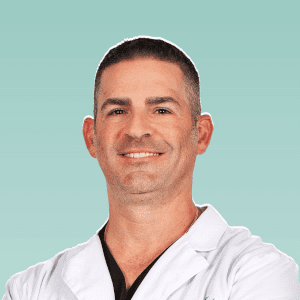
Author: Dr. Joseph Castellano
Dr. Joseph Castellano is a native Floridian who grew up in the Tampa Bay area. After medical school and residency, Dr. Castellano returned home and has opened a practice in Tampa, Florida focusing on breast augmentation, abdominoplasty, liposuction, facelift, and eyelid rejuvenation. He is a member of the American Board of Cosmetic Surgery, American College of Surgeons, and American Medical Association