Whether to lose weight before breast augmentation is one of the most common questions patients bring to a consultation at Castellano Cosmetic Surgery Center — and the answer directly affects your implant size, your results, and your long-term satisfaction.
TL;DR: If you plan to lose weight before breast augmentation, do it first. Significant weight loss after surgery changes breast volume, skin laxity, and implant proportion. The surgeons at Castellano Cosmetic Surgery Center in Tampa advise patients to be at or near a stable goal weight for at least 3–6 months before scheduling. This guide walks through exactly why timing matters, how much weight is "enough" to lose first, and what to do when your timeline is less clear-cut.
Why Your Weight at Surgery Sets the Baseline for Everything
Breast augmentation results are calibrated to your body at the time of surgery. Your surgeon selects implant size and placement based on your chest width, breast tissue volume, and skin envelope — all of which shift with meaningful weight changes. Lose 20 pounds after surgery and the implants that looked proportional may look oversized. Gain 15 pounds and the fit changes in the opposite direction. The implants themselves don't change; everything around them does.
For Tampa patients considering breast augmentation in 2026, getting to a stable weight before surgery is not just a general wellness recommendation — it is a surgical planning requirement. See the breast augmentation cost in Tampa, FL in 2026 guide for what the full procedure investment looks like once you're ready to plan.
What You'll Need Before Scheduling
- A stable weight held for at least 3–6 months (not actively dieting or losing)
- A BMI under 30 is generally preferred for elective surgery; your surgeon will assess your individual health profile
- Non-smoker status, or cessation for at least 4–6 weeks pre-op
- No major planned lifestyle changes (marathon training, another pregnancy, bariatric surgery) in the 12 months following the procedure
- Realistic expectations about how weight fluctuation will interact with implant results long-term
The Steps: How to Time Weight Loss Before Breast Augmentation
Step 1: Define "goal weight" with a specific number, not a range
Patients who say "I want to lose some weight first" without a target tend to delay surgery indefinitely or, worse, schedule while still actively losing. Pick a specific goal — say, 145 lbs — and commit to maintaining it, not just reaching it. Reaching a number and holding it for 3 months are two different things. Surgeons plan implant dimensions based on your current tissue; a moving target makes that planning unreliable.
Expected outcome: You arrive at your consultation with a body that reflects where you'll actually live long-term.
Common mistake: Booking surgery the week you hit your goal weight, before your body has stabilized.
Step 2: Lose the weight through methods you'll sustain post-surgery
Crash diets, extreme calorie restriction, and aggressive cardio programs often produce temporary losses that reverse within 6–12 months. If you lose 25 pounds on a restrictive plan and regain 15 of it in the year after surgery, your results will change. Focus on sustainable methods — structured nutrition, moderate caloric deficit, consistent activity — that reflect how you'll actually eat and move going forward.
Expected outcome: The weight you lose stays off past the 12-month mark, keeping your results consistent.
Common mistake: Treating pre-surgery weight loss as a sprint rather than a transition to your maintenance lifestyle.
Step 3: Give your skin time to adjust before surgery
Rapid weight loss — particularly losses of 30 pounds or more in a short window — can leave skin laxity that doesn't fully resolve. If you have loose skin on the breasts after weight loss, breast augmentation alone may not address it; you may need a breast lift with augmentation rather than implants alone. Waiting 3–6 months after your weight stabilizes allows your skin to contract and gives your surgeon a cleaner picture of what implant size and any additional procedures will produce.
Expected outcome: Your surgeon can accurately assess how much tissue and skin envelope you're working with, leading to a better implant selection.
Common mistake: Assuming implants will "fill out" loose skin from weight loss — they can add volume but do not address excess skin.
Step 4: Get your pre-op labs and health clearance at your stable weight
Anesthesia risk and surgical safety calculations depend partly on your weight and overall health status. Pre-operative labs, cardiac assessment, and any specialist clearances should be completed when you are at your stable goal weight, not mid-loss. Significant weight changes between your pre-op appointment and surgery date can require updated clearance. In 2026, most board-certified surgeons require pre-op labs within 30–90 days of your surgery date.
Expected outcome: No delays or rescheduling caused by health status changes between consultation and OR.
Common mistake: Completing bloodwork while still in an active dieting phase, then losing another 15 pounds before surgery.
Step 5: Plan your recovery nutrition before you go under
Recovery from breast augmentation requires adequate protein, hydration, and caloric intake to support tissue healing. This is not the time to restrict calories. Patients who resume aggressive dieting within the first 4–6 weeks post-op risk slower healing and increased fatigue. Stock your kitchen, plan easy high-protein meals, and accept that the scale may fluctuate slightly during recovery — that is normal fluid and medication response, not fat gain.
Expected outcome: Smooth recovery without energy crashes or healing complications tied to under-nutrition.
Common mistake: Resuming a calorie-restricted diet in week 2 of recovery because "the surgery is done."
For a detailed timeline of what the recovery period looks like, the breast augmentation recovery timeline week by week guide covers activity restrictions, swelling patterns, and what to expect at each stage.
Step 6: Plan for weight maintenance, not perfection, long-term
No one's weight is perfectly static. A 5–10 pound fluctuation after surgery is unlikely to dramatically change your results. The concern is sustained, significant change — 20 pounds or more in either direction. Talk with your surgeon at your consultation about what your personal threshold looks like given your implant size, placement, and tissue characteristics. Some patients with larger implants have more visible change with weight gain; others with smaller implants see more effect from significant loss.
Expected outcome: Realistic expectations about how your results will age with normal life.
Common mistake: Believing results are permanently fixed regardless of future weight changes.
Troubleshooting: Common Timing Questions
"I'm only 10–15 pounds from my goal. Can I proceed?"
Generally yes, if you are close to your goal and your weight has been stable. A 10–15 pound difference has a smaller effect on breast tissue volume than a 30-pound swing. Discuss it at your consultation — your surgeon will assess your tissue and give a direct recommendation.
"I've had bariatric surgery and my weight is still shifting."
Wait. Bariatric patients commonly lose weight for 12–18 months post-surgery. Operating during active loss adds uncertainty to implant sizing and increases risk of revision. Most surgeons want at least 12 months of weight stability after bariatric procedures before performing elective cosmetic surgery.
"I want to lose weight but keep stalling. Should I just book the surgery?"
Only if you accept that your current weight is likely your baseline. If you genuinely intend to lose 30 more pounds but haven't been able to, booking now means accepting results calibrated to your current body. That may be perfectly fine — but it should be a conscious decision, not a workaround.
"I gained weight after a previous augmentation. What now?"
Weight gain of 20 pounds or more can change implant proportion and breast shape. If you are unhappy with how your results look after weight gain, a consultation is warranted. Options range from monitoring to revision, depending on the degree of change and what bothers you about the current result. The breast augmentation and weight gain article covers this in detail.
"Can losing weight after surgery require a revision?"
Significant loss — typically 25 pounds or more — can reduce breast tissue volume enough to make implants look disproportionate or to reveal changes in skin laxity. Revision is not always necessary, but it is a real possibility that patients who plan major post-surgery weight loss should factor into their decision.
"Does weight affect implant placement decisions?"
Yes. Body composition, tissue thickness, and chest wall shape all influence whether submuscular or subglandular placement makes more sense for your anatomy. Your surgeon will assess this at consultation. More context on placement considerations is in the over vs under the muscle breast implant placement guide.
Tools and Resources
- Your consultation at Castellano Cosmetic Surgery Center — the only place where your specific anatomy, weight history, and goals get evaluated together
- A nutrition plan or dietitian referral if you are still working toward your goal weight
- A primary care physician for pre-op clearance and any necessary labs
- Comfortable, front-closing bras in your current size for recovery
FAQ
How much weight should I lose before breast augmentation?
Enough to reach a weight you can realistically maintain. The specific number matters less than stability — surgeons at Castellano Cosmetic Surgery Center look for 3–6 months of consistent weight before scheduling surgery in 2026.
Does losing weight make breast implants look bigger?
Yes. When surrounding body tissue decreases, the same implant size becomes more visible. Patients who lose significant weight after augmentation often find their implants look larger relative to the rest of their frame.
What happens if I gain weight after breast augmentation?
Breast tissue volume increases with weight gain, which can change how the implants look. Modest fluctuations — under 10–15 pounds — typically have a minor effect. Larger gains can shift proportions noticeably.
Is there a BMI cutoff for breast augmentation?
Many board-certified surgeons prefer a BMI under 30 for elective cosmetic surgery due to anesthesia and healing risk. There is no universal cutoff — your surgeon evaluates overall health, not just BMI. Discuss your specific numbers at consultation.
Can I diet during breast augmentation recovery?
No. The first 4–6 weeks post-op require adequate nutrition to support healing. Resume any calorie-restriction plan only after your surgeon clears you, typically at the 6-week mark.
Will breast augmentation help me lose weight?
No. Breast augmentation does not affect fat distribution or metabolism. Patients who want both body contouring and breast enhancement may want to discuss mommy makeover options, which can combine procedures.
How long before breast augmentation should I stop dieting?
Reach your goal weight, then maintain it for 3–6 months before scheduling. Stop active dieting once you are in your maintenance phase — that stable baseline is what surgery is calibrated to.
Does weight loss affect implant size recommendations?
Directly. Implant sizing is based on your chest width and existing tissue at the time of your consultation. A surgeon recommending 350cc implants for your current frame might recommend a different size if you lose 25 pounds first. Consultation should happen at or near your goal weight for the most accurate sizing discussion.
One Last Thing
Breast volume naturally decreases with weight loss — even without surgery. Women who have lost 20 or more pounds often find their bra size drops by a full cup or more. This is useful to know before surgery: if you are still losing weight, your natural breast tissue is also shrinking, which will affect how much volume the final result needs to provide. Patients who lose weight first and then consult often find they need a different — sometimes larger — implant than they initially expected, because they are starting with less native tissue. That is not a problem; it is exactly the kind of thing that consultation at your stable weight is designed to account for.
Related Guides
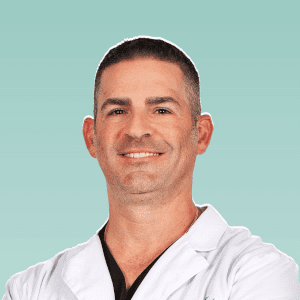
Author: Dr. Joseph Castellano
Dr. Joseph Castellano is a native Floridian who grew up in the Tampa Bay area. After medical school and residency, Dr. Castellano returned home and has opened a practice in Tampa, Florida focusing on breast augmentation, abdominoplasty, liposuction, facelift, and eyelid rejuvenation. He is a member of the American Board of Cosmetic Surgery, American College of Surgeons, and American Medical Association