Facial spider veins — those thin red or purple thread-like vessels across the cheeks, nose, and chin — respond to a handful of proven treatments, and picking the wrong one wastes money and can leave scarring. This guide breaks down what actually works for Tampa patients in 2026, what to skip, and how to vet the provider doing the treating.
TL;DR
For facial spider veins in Tampa, IPL photofacial is the safe first move for diffuse redness and sun-damaged skin, while a vascular laser (Nd:YAG or KTP) is the better call for individual visible vessels around the nose and cheeks. Sclerotherapy — the standard for leg veins — is a narrow-use option on the face and only belongs in the hands of an experienced injector. Skip topical vein creams and at-home IPL devices; neither has clinical backing for facial vessels. Most patients need 2 to 5 sessions spaced three to four weeks apart, and results typically hold for one to three years depending on sun exposure and skin type.
Why this matters
Facial spider veins usually come from sun damage, rosacea, hormonal shifts, or genetics — not from anything you did wrong, but they don't fade on their own. Left untreated, they tend to spread, especially with continued sun exposure across a Florida summer. The technology used matters more than the marketing name on the machine: a vascular laser tuned to hemoglobin absorption clears an individual thread vein in one or two passes, while the same vein barely responds to a generic skin-rejuvenation IPL setting. Get familiar with the vein treatment options for spider and varicose veins in Tampa before booking anything, because pricing and technology vary widely between med spas and board-certified practices.
Who this is for
This guide is for adults in Tampa Bay with visible red or purple facial veins — typically across the nose, cheeks, or chin — who want them faded or removed without surgery. It applies whether the veins showed up from years of sun exposure, rosacea, pregnancy, or just genetics, and whether you're treating a handful of visible vessels or general facial redness.
What to look for in facial spider vein treatment
Device technology, not just brand name
Ask what wavelength the device uses and what it's cleared to treat. A vascular laser targeting 532nm to 1064nm (KTP or Nd:YAG) is built specifically for blood vessels; a broad-spectrum IPL is built for redness and pigment more generally. Both have a place, but only one directly targets an individual visible vein.
Provider experience with facial vessels specifically
A provider who treats leg veins all day isn't automatically skilled at facial vessels — the skin is thinner, vessels are smaller, and the margin for error near the eyes and nose is tighter. Ask how many facial cases they've treated in the last year, not just how many years they've practiced.
Number of sessions and realistic downtime
Most facial vein treatments need 2 to 5 sessions. Any provider promising total clearance in a single visit for a network of vessels is setting up an expectation that rarely holds.
Whether rosacea or sun damage is driving new veins
If underlying rosacea or years of unprotected sun exposure caused the veins, treating the visible vessels without addressing the trigger means new ones show up within a year or two. A provider who asks about your rosacea history or sun habits before recommending a device is thinking past the appointment in front of them.
Board certification of the treating physician
Facial vascular treatment sits close to the eyes, nose, and thin-skinned areas where complications from an inexperienced hand show up fast. A board-certified cosmetic surgeon in Tampa or a physician-supervised med spa carries a different accountability standard than an unsupervised aesthetician-only clinic.
Combination approach for widespread redness
If the veins sit inside a larger pattern of facial redness or flushing, a single-treatment approach targeting only the visible vessels leaves the underlying redness untouched. A combination plan treats both in the same visit series.
Top picks for 2026
IPL Photofacial — the safe pick
One spec that matters: broad-spectrum IPL treats diffuse redness and multiple small vessels in a single pass across the whole face, not just one vein at a time. Typical protocols run 3 to 5 sessions spaced 3 to 4 weeks apart, with minimal downtime beyond a day or two of mild redness. It works best on smaller, widespread vessels and general facial flushing rather than one large, clearly visible thread vein. Buy — this is the right starting point for most patients with sun-related redness across the cheeks in 2026.
Vascular Laser (Nd:YAG/KTP) — the workhorse
One spec that matters: a vascular laser delivers energy tuned to hemoglobin, collapsing an individual visible vein in 1 to 2 passes per session. It's the better tool when you can point to a specific vein — the one running along the side of the nose, or the branch across the cheek — rather than general redness. Sessions run 20 to 30 minutes, and most visible veins clear in 1 to 3 treatments. Buy — this is the direct fix for the vein you can actually see and trace with your finger.
Sclerotherapy for facial veins — the wildcard
One spec that matters: sclerotherapy injects a solution directly into the vessel, standard practice for leg veins but a narrow, specialist-only application on the face because facial skin is thinner and closer to the eyes. It's occasionally used for select larger veins near the nose when laser alone hasn't fully cleared them. Consider — only with a physician who has specific facial injection experience, and never as a first-line facial treatment.
At-home vein devices and topical creams — the one to skip
One spec that matters: none of these devices deliver the wavelength or energy density needed to affect a blood vessel sitting under the skin's surface. Marketing claims aside, there's no clinical mechanism by which a topical cream fades an existing spider vein. Skip — save the money for one professional session instead.
What to avoid
- Groupon-style laser packages at unsupervised med spas — the device matters less than who's operating it and whether a physician is involved in the treatment plan.
- Sclerotherapy injections from a provider whose main experience is leg veins — facial injection technique and vessel anatomy are different enough that skill doesn't transfer automatically.
- One-and-done laser promises — most facial vein cases genuinely need 2 or more sessions; a provider promising full clearance in one visit is either overselling or under-treating.
Verdict comparison
| Treatment | Best for | Typical sessions | Downtime | Verdict |
|---|---|---|---|---|
| IPL Photofacial | Diffuse redness, multiple small vessels | 3-5 | 1-2 days mild redness | Buy |
| Vascular Laser (Nd:YAG/KTP) | One clearly visible vein | 1-3 | Minimal, brief redness | Buy |
| Sclerotherapy (facial) | Select larger veins near nose/cheek | 1-2 | Mild bruising | Consider |
| Topical creams / at-home devices | Nothing clinically proven | N/A | None | Skip |
FAQ
What's the best facial spider vein treatment in Tampa? For most patients, a vascular laser (Nd:YAG or KTP) clears individual visible veins fastest, while IPL photofacial works better across broader facial redness. Which one wins depends on whether you're treating one vessel or general flushing.
Is IPL better than laser for facial veins? IPL is better for widespread redness and multiple small vessels across the cheeks; a dedicated vascular laser is more direct for one clearly visible thread vein. Many 2026 treatment plans use both in sequence.
How much does facial spider vein treatment cost in Tampa? Cost depends on the device used, number of sessions, and area treated — pricing varies by practice, so get a quote after an in-person evaluation rather than relying on advertised per-session rates.
How many sessions does it take to clear facial spider veins? Most patients need 2 to 5 sessions depending on the treatment and how many vessels are involved, spaced roughly 3 to 4 weeks apart to let the skin recover between visits.
Do facial spider veins come back after treatment? New vessels can form over time, especially with continued sun exposure or untreated rosacea, but the specific veins treated are typically gone for good. Sun protection extends how long results last.
Can sclerotherapy be used on the face? Yes, but only in select cases for larger veins near the nose or cheek, and only by a provider with specific facial injection experience — it isn't a routine first-line facial treatment the way it is for legs.
Is facial vein treatment safe? Vascular laser and IPL are both well-established, low-risk options when performed by an experienced, physician-supervised provider; risk increases with inexperienced hands near the eyes and thin facial skin.
Does rosacea affect which treatment I need? Yes — if rosacea is driving ongoing redness and new vessel formation, a combination plan addressing both the visible veins and the underlying flushing holds results longer than treating vessels alone.
One last thing
The vein you can point to and trace with a finger almost always responds faster to a direct vascular laser pass than to a broad IPL setting — patients who go straight to IPL because it sounds gentler sometimes spend three extra sessions chasing a vessel that a laser would have cleared in one. If rosacea sits underneath the visible veins, pairing treatment with ongoing redness management through 2026 protects the investment longer than treating the veins in isolation.
Related guides
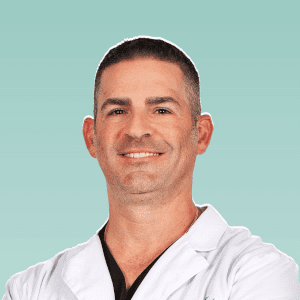
Author: Dr. Joseph Castellano
Dr. Joseph Castellano is a native Floridian who grew up in the Tampa Bay area. After medical school and residency, Dr. Castellano returned home and has opened a practice in Tampa, Florida focusing on breast augmentation, abdominoplasty, liposuction, facelift, and eyelid rejuvenation. He is a member of the American Board of Cosmetic Surgery, American College of Surgeons, and American Medical Association