What you eat in the two weeks after cosmetic surgery has more influence on your swelling, bruising, and energy than almost any other single factor you control. This guide breaks down exactly what to eat, when, and why it speeds healing after breast, body, or facial procedures.
- Protein intake of 80-100g daily rebuilds tissue faster than a low-protein diet after cosmetic surgery in 2026 patient guidance.
- Low-sodium meals under 1,500mg a day cut post-surgical swelling noticeably within the first week.
- Vitamin C and bromelain-rich foods (pineapple, citrus, bell peppers) reduce visible bruising faster than doing nothing.
- Skip alcohol and NSAIDs for at least 2 weeks post-op — both increase bleeding and bruising risk.
- Hydration at 64oz of water daily prevents the constipation that opioid pain medication causes.
Why this matters
Swelling, bruising, and slow wound healing aren't just cosmetic annoyances after surgery — they're signs your body is short on the raw materials it needs to repair tissue. Protein rebuilds collagen. Vitamin C supports that same collagen synthesis. Sodium retention drives fluid into tissue, which is why a salty meal the night before your follow-up can make you look more swollen than you actually are.
Patients recovering from procedures at Castellano Cosmetic Surgery Center in Tampa get a nutrition rundown at their pre-op appointment, but the general principles apply whether you had a tummy tuck, breast augmentation, facelift, or liposuction. Get this part right and you'll likely see less bruising by day 7 and feel less fatigued through the first two weeks of 2026 recovery.
What you'll need
- Lean protein sources: chicken breast, eggs, Greek yogurt, fish, protein powder
- Fiber-rich foods: oatmeal, berries, leafy greens, prunes
- Vitamin C sources: citrus, bell peppers, kiwi
- Bromelain-rich foods: fresh pineapple (not canned — heat destroys the enzyme)
- Low-sodium prepared meals or homemade options you control
- A large water bottle marked with ounce measurements
- A stool softener on hand if your surgeon recommends one alongside pain medication
The steps
1. Front-load protein starting day one
Protein is the single biggest lever for wound healing after surgery. Aim for 80-100 grams a day, split across three to four meals, starting the same day you're cleared to eat solid food. Eggs, Greek yogurt, and a protein shake cover breakfast easily if you're not up for cooking.
Most patients undershoot this number without realizing it — a typical American diet runs closer to 60-70 grams a day, which is fine for maintenance but not enough for active tissue repair. Common mistake: relying only on protein bars, which often carry 15-20g of sugar alongside the protein and can spike inflammation.
2. Cut sodium hard for the first 10 days
Keep sodium under 1,500mg daily, especially in the first week. Skip canned soups, deli meat, frozen dinners, and restaurant food — all reliably push sodium past 2,000mg in a single meal. Cook at home with fresh ingredients and season with herbs, garlic, and citrus instead of salt.
This matters even more during tummy tuck recovery week by week, where fluid retention in the abdomen is already part of the healing process — extra sodium just adds to it. Common mistake: ordering takeout on day 3 or 4 when cooking feels like too much effort; prep freezer-friendly low-sodium meals before surgery instead.
3. Add vitamin C and bromelain daily
Vitamin C (500mg equivalent, roughly one cup of strawberries plus a bell pepper) supports the collagen your body needs to close incisions. Fresh pineapple contains bromelain, an enzyme some surgeons recommend for reducing bruising — the Castellano Cosmetic Surgery Center team often mentions it as a simple add-on with no downside for most patients.
Expect visibly less bruising by the end of week one if you're consistent with this. Common mistake: using pineapple juice or canned pineapple, which loses most of its bromelain content during processing and pasteurization.
4. Hydrate at 64oz minimum
Opioid pain medication slows digestion and causes constipation — straining on the toilet is genuinely risky after abdominal or breast procedures. Water intake at 64oz a day, paired with fiber from oatmeal and prunes, keeps things moving without needing to strain.
If you're managing tummy tuck pain without opioids, you'll have less of this issue, but hydration still matters for swelling reduction regardless of your pain management plan. Common mistake: forgetting to drink because you're not thirsty — set phone reminders every two hours for the first week.
5. Avoid alcohol and NSAIDs completely
Both alcohol and NSAIDs (ibuprofen, aspirin, naproxen) thin the blood and increase bruising and bleeding risk. Most surgeons ask patients to avoid both for a minimum of 2 weeks before and after surgery. Acetaminophen is typically the safer pain option unless your surgeon prescribes something specific.
Common mistake: reaching for a glass of wine to relax the night before a follow-up appointment, not realizing it can still show up as increased bruising the next morning.
6. Time your bigger meals around activity, not the clock
Eat a real meal about an hour before any scheduled walking (even short laps around the house), since low blood sugar plus fatigue is a common reason patients feel lightheaded during early mobility in 2026 recovery. Small, frequent meals work better than three large ones in the first week when appetite is unpredictable.
Common mistake: skipping meals because nausea from anesthesia lingers — bland options like crackers, toast, and bananas settle the stomach and still deliver some nutrition.
Troubleshooting
- Nausea prevents eating solid food. Start with clear broths, applesauce, and crackers. Move to protein once nausea passes, usually within 24-48 hours.
- Constipation despite drinking water. Add a stool softener (with your surgeon's approval) and increase fiber via prunes or a fiber supplement — don't wait until it's painful.
- Swelling looks worse on day 4-5 than day 2. This is common as initial numbness fades and fluid shifts settle; sodium restriction and elevation help more than diet changes at this stage.
- No appetite at all for the first two days. Small protein shakes are easier to tolerate than solid meals and still hit your protein target.
- Bruising seems extensive. Continue vitamin C and bromelain intake; bruising typically peaks around day 5-7 and fades over the following two weeks.
- Craving salty or processed food. Keep low-sodium versions of comfort foods on hand before surgery so you're not tempted by takeout.
Planning a procedure in 2026?
Get a personalized recovery and nutrition plan at your consultation.
Tools and resources
- A kitchen scale or measuring cups to track protein portions accurately
- Pre-made freezer meals prepped before surgery day, so you're not cooking while recovering
- A Florida summer heat recovery guide if your procedure falls between May and October, since heat increases fluid needs
- A reference for reducing bruising after cosmetic surgery if bruising is your main concern beyond diet
- Your surgeon's specific post-op instructions, which always override general guidance here
What to do next
If you're still in the planning stage, read through what happens during recovery at each stage before you commit to a surgery date, so your meal prep and time-off planning line up with the actual healing timeline.
FAQ
What foods reduce swelling after cosmetic surgery?
Low-sodium foods, water at 64oz a day, and potassium-rich options like bananas and leafy greens reduce swelling fastest after cosmetic surgery in 2026. Avoid processed and restaurant food for at least the first 10 days.
How much protein do I need after surgery?
Most patients need 80-100 grams of protein daily after cosmetic surgery to support tissue repair and collagen production. Split it across three to four meals since your body can only use so much protein at once.
Can I drink coffee after cosmetic surgery?
Small amounts of coffee are generally fine after the first 24-48 hours, but caffeine can worsen dehydration, so pair it with extra water. Ask your surgeon if you’re on specific pain medication that interacts with caffeine.
Is pineapple actually good for bruising after surgery?
Fresh pineapple contains bromelain, an enzyme linked to reduced bruising and swelling in recovery literature, but canned or juiced pineapple loses most of that benefit through processing. Eat it fresh for the effect to matter.
How long should I avoid alcohol after cosmetic surgery?
Avoid alcohol for a minimum of 2 weeks after cosmetic surgery since it thins the blood and increases bruising and bleeding risk. Some procedures may call for longer — check with your surgeon.
What should I eat the night before surgery?
Eat a light, low-sodium, protein-forward meal the night before surgery and follow your surgeon’s fasting instructions exactly. Avoid alcohol and heavy, salty food that could complicate anesthesia or increase swelling.
Why am I constipated after cosmetic surgery?
Opioid pain medication slows digestion, which is the most common cause of post-surgical constipation. Fiber, 64oz of water daily, and a stool softener (if approved by your surgeon) usually resolve it within a few days.
Do I need supplements after cosmetic surgery?
Whole foods covering protein, vitamin C, and bromelain usually meet recovery needs without supplements, but ask your surgeon before adding anything, since some supplements thin blood similarly to NSAIDs. Arnica and bromelain tablets are the two most commonly discussed, but neither replaces a solid diet.
One last thing
The patients who recover fastest aren't the ones who eat perfectly for two days and then order pizza out of boredom by day 4 — they're the ones who prep low-sodium, high-protein meals before surgery so the easy choice and the right choice are the same choice. Do your grocery shopping and meal prep the week before your 2026 procedure, not the morning after.
Related guides
- Reducing bruising after cosmetic surgery in Tampa
- Managing tummy tuck pain without opioids
- Tummy tuck recovery week by week
- Recovering from surgery in Florida's summer heat
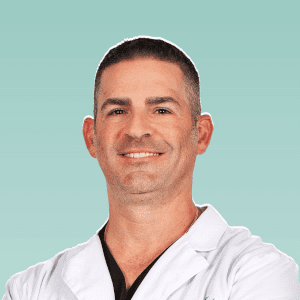
Author: Dr. Joseph Castellano
Dr. Joseph Castellano is a native Floridian who grew up in the Tampa Bay area. After medical school and residency, Dr. Castellano returned home and has opened a practice in Tampa, Florida focusing on breast augmentation, abdominoplasty, liposuction, facelift, and eyelid rejuvenation. He is a member of the American Board of Cosmetic Surgery, American College of Surgeons, and American Medical Association