 A tummy tuck is designed to create a flatter, firmer abdomen. So it can be frustrating – and honestly, a little confusing – when some of our patients look in the mirror after surgery and feel like their stomach still appears bloated.
In almost all cases, this is a normal part of the healing process. And more often than not, it’s temporary. Let’s break down why it happens and what you can expect.
Swelling Is Part of the Process
The most common reason patients feel “bloated” after tummy tuck surgery is post-surgical swelling. After surgery, your body responds with inflammation as part of the healing process. This can cause the abdomen to look and feel fuller than expected, especially in the lower portion of the stomach.
Swelling tends to be most noticeable in the first few weeks, but it doesn’t disappear overnight. In fact, mild swelling can last for several months, and in some cases, up to a year before final results fully settle. This is one of the biggest reasons why Dr. Castellano and Dr. Giglio encourage their patients not to judge their results too early.
Muscle Repair Can Affect How Your Abdomen Feels
During a tummy tuck, the abdominal muscles are often tightened to correct separation, also known as diastasis recti.This repair helps create a flatter contour, but it also changes the internal structure of your abdomen. Early on, this can create a sensation of tightness or pressure that some patients interpret as bloating.
As your body adjusts and heals, this feeling gradually improves.
Fluid Retention and Healing
After surgery, your body may temporarily retain fluid in the treated area. This can contribute to that “puffy” or bloated appearance. In some cases, small fluid collections – called seromas – can develop. These are typically monitored and managed during follow-up visits if needed.
Wearing compression garments as directed and following post-operative instructions closely can help minimize fluid buildup and support proper healing.
Your Body Is Still Adjusting
Another factor to consider is timing. Right after surgery, your posture may be slightly bent, your core may feel tight, and your body is still adapting to changes in tissue and muscle structure. All of this can affect how your abdomen looks in the early stages.
As you stand more upright and your tissues settle, your overall contour will continue to improve.
When Should You Be Concerned?
While swelling and temporary fullness are expected, there are times when it’s important to check in with us. If you notice sudden increases in swelling, significant asymmetry, persistent discomfort, or anything that feels out of the ordinary, it’s always worth having it evaluated.
Give Your Results Time
A tummy tuck does not deliver an instant result – it’s a process. Most patients begin to see noticeable improvements within the first few weeks, but the final outcome takes time. This is especially true if you’ve combined your tummy tuck with other procedures such as breast augmentation as part of a mommy makeover. As swelling resolves and your body continues to heal, your abdomen will gradually appear flatter and more defined.
If you’re early in your recovery and feeling unsure about what you’re seeing, you’re not alone. This is a common part of the journey, and in most cases, things improve exactly as expected. If you have questions about your recovery or are considering a tummy tuck, a consultation with Dr. Castellano or Dr. Giglio is the best place to start. A personalized plan – and clear expectations – can make all the difference in how you experience your results.
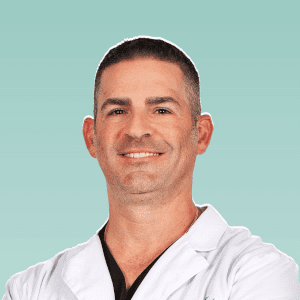
Author: Dr. Joseph Castellano
Dr. Joseph Castellano is a native Floridian who grew up in the Tampa Bay area. After medical school and residency, Dr. Castellano returned home and has opened a practice in Tampa, Florida focusing on breast augmentation, abdominoplasty, liposuction, facelift, and eyelid rejuvenation. He is a member of the American Board of Cosmetic Surgery, American College of Surgeons, and American Medical Association