Getting anesthesia right before cosmetic surgery is less about the surgeon's skill and more about what you do in the 24 hours beforehand — fasting windows, medication timing, and having a ride home all affect how smoothly you wake up. This guide walks through exactly what to do before your procedure at Castellano Cosmetic Surgery Center in Tampa, from the pre-op call to the morning of surgery.
- Stop eating solid food 8 hours before anesthesia; clear liquids are typically fine up to 2 hours prior.
- Skip aspirin, ibuprofen, and most supplements for 1-2 weeks before surgery unless your surgeon says otherwise.
- Arrange a driver and an adult companion for the first 24 hours — general anesthesia patients cannot leave alone.
- Local anesthesia with sedation, used for many liposuction cases, carries a shorter recovery window than general anesthesia.
- A pre-op call 1-2 weeks before cosmetic surgery in Tampa confirms your medical clearance and anesthesia plan.
Why this matters
Anesthesia complications are rare, but most of the ones that happen are preventable — aspiration from eating too close to surgery, medication interactions from blood thinners, or a patient going home alone and passing out on the stairs. None of that is about surgical technique. It's about prep.
Castellano Cosmetic Surgery Center works with board-certified anesthesia providers for procedures ranging from breast augmentation to full tummy tucks, and the prep instructions are similar across most surgical cases in 2026. What changes is the type of anesthesia — general, IV sedation, or local with sedation — and that depends on your procedure and health history, something your surgeon covers at the consultation.
What you'll need
- A list of every medication and supplement you currently take, including over-the-counter pills
- Your surgeon's specific fasting instructions (usually provided 1-2 weeks out)
- A confirmed driver for the day of surgery and someone to stay with you overnight
- Loose, front-closing clothing for the day of the procedure
- Any pre-op lab work or clearance forms your surgical team requested
- A working thermometer and phone charger for the recovery period at home
The steps
1. Confirm your anesthesia type at the pre-op appointment
Ask directly whether your procedure uses general anesthesia, IV sedation, or local anesthesia with sedation. A tummy tuck usually calls for general anesthesia because of the muscle repair involved, while some liposuction cases can be done under local anesthesia with sedation instead. The local vs. general anesthesia comparison for liposuction breaks down which patients qualify for the lighter option. Knowing this in advance changes your fasting window and your recovery-day logistics.
Common mistake: assuming all cosmetic procedures use the same anesthesia — they don't, and your prep instructions will differ.
2. Get medical clearance if you have a chronic condition
If you have diabetes, sleep apnea, high blood pressure, or a cardiac history, your surgeon will likely require sign-off from your primary care doctor or a cardiologist before scheduling. This isn't a formality — anesthesia providers use it to adjust dosing and monitoring during surgery. Book this appointment as soon as your surgery date is confirmed, since some clearance visits take 2-3 weeks to schedule in the Tampa Bay area.
Common mistake: waiting until the week of surgery to request clearance, which can push your surgery date back.
3. Stop blood thinners and certain supplements on schedule
Most surgeons ask patients to stop aspirin, ibuprofen, and other NSAIDs 1-2 weeks before surgery because they increase bleeding risk under anesthesia. Fish oil, vitamin E, and some herbal supplements like ginkgo and St. John's Wort fall into the same category. Follow your surgeon's exact timeline — for some medications prescribed for a medical condition, you'll need your prescribing doctor's input before stopping.
Expected outcome: by the day of surgery, your bloodwork should reflect normal clotting function with no lingering NSAID effect.
4. Follow the fasting window exactly
Most anesthesia protocols require no solid food for 8 hours before surgery, with clear liquids like water or apple juice allowed up to 2 hours prior — but confirm the exact hours with your surgical team, since protocols vary by anesthesia provider. Set an alarm the night before if your surgery is early morning; a lot of missed fasting windows happen because patients forget and grab coffee out of habit.
Common mistake: having just a little coffee or gum on surgery morning — both can affect stomach contents and delay your procedure.
5. Line up your ride and your at-home support
You cannot drive yourself home after general anesthesia or IV sedation, and most surgical centers will not proceed without a confirmed driver on file. Beyond the ride, plan for someone to stay with you for the first 24 hours — anesthesia can cause grogginess, nausea, or unsteadiness well after you leave the facility. If you're recovering from a larger procedure like a mommy makeover, some Tampa patients use a dedicated recovery house instead of relying on family for round-the-clock help.
6. Pack for the day, not the week
Wear loose, front-closing clothes so you're not raising your arms over your head post-surgery. Skip jewelry, contact lenses, and makeup — anesthesia teams need clear access and visibility. Bring a phone charger and your ID, but leave valuables at home.
Expected outcome: a faster check-in process and one less thing to think about while you're groggy from pre-op sedation.
7. Ask about nausea prevention if you have a history of it
If you've had bad reactions to anesthesia before — especially post-operative nausea — say so at your pre-op visit. Anesthesia providers can add anti-nausea medication to your IV before you wake up, which is far easier to prevent than treat after the fact.
Troubleshooting
- You accidentally ate within the fasting window. Call your surgical team immediately — don't wait until check-in. Surgery may need to be rescheduled to protect against aspiration risk.
- You forgot to stop a blood thinner on time. Tell your surgeon before surgery day, not during pre-op. They may adjust your surgery date rather than proceed with elevated bleeding risk.
- Your ride falls through the morning of surgery. Most surgical centers will not release you without a confirmed driver — have a backup contact lined up at least a day ahead.
- You're feeling unusually anxious about anesthesia. This is common and worth mentioning at your consult — your surgical team can walk through exactly what happens step by step, which reduces most pre-op anxiety.
- You have a cold or fever the week before surgery. Call your surgeon's office. Active respiratory illness is one of the most common reasons anesthesia gets postponed.
- You're not sure if a supplement counts as a blood thinner. Bring the bottle or a photo of the label to your pre-op appointment rather than guessing.
Confirm your anesthesia plan before surgery
Get your pre-op questions answered directly with the Castellano team.
Tools and resources
- Your surgeon's written pre-op instruction sheet, which should list your exact fasting and medication timeline
- The board certification guide if you're still vetting who performs your procedure
- A medication and supplement list you update as your surgery date approaches
- A printed or saved copy of your driver and companion's contact information for the surgical center's intake form
What to do next
Once your anesthesia plan is confirmed, shift focus to the physical prep for your specific procedure. The body contouring surgery prep guide covers what to do in the two weeks before liposuction, tummy tucks, and combination procedures, including how anesthesia timing fits into your overall schedule.
FAQ
How many hours before cosmetic surgery should you stop eating?
Most anesthesia protocols require no solid food for 8 hours before surgery, with clear liquids allowed up to 2 hours prior. Confirm the exact window with your surgical team since it can vary by provider and procedure.
Is local anesthesia safer than general anesthesia for cosmetic surgery?
Local anesthesia with sedation generally carries a shorter recovery window and less grogginess than general anesthesia, but it’s only appropriate for certain procedures like limited-area liposuction. Your surgeon determines which is medically appropriate for your case, not personal preference alone.
Can you drive yourself home after anesthesia in Tampa?
No. Surgical centers require a confirmed driver before proceeding with general anesthesia or IV sedation, and most will not release you without one on file. Plan a ride and someone to stay with you for the first 24 hours.
What medications should you stop before anesthesia?
Aspirin, ibuprofen, and other NSAIDs are typically stopped 1-2 weeks before surgery due to bleeding risk, along with certain supplements like fish oil and vitamin E. Always confirm timing with your surgeon rather than stopping prescription medications on your own.
Does having sleep apnea affect anesthesia for cosmetic surgery?
Yes, sleep apnea usually requires additional monitoring during and after anesthesia and may need medical clearance from your physician before surgery is scheduled. Tell your surgical team about it at your first consultation, not the week of surgery.
How long does anesthesia grogginess last after cosmetic surgery?
Most patients feel noticeably groggy for several hours after general anesthesia and should not be alone for the first 24 hours. Full mental clarity typically returns within a day, though this varies by procedure length and individual response.
What happens if you eat before your fasting window ends?
Call your surgical team immediately rather than waiting until check-in, since eating too close to surgery raises aspiration risk under anesthesia. Your procedure may need to be rescheduled to a later date to protect your safety.
Do you need medical clearance before anesthesia for a tummy tuck?
Patients with chronic conditions like diabetes, high blood pressure, or cardiac history usually need clearance from their primary doctor before a tummy tuck or other major procedure. Request this appointment as soon as your surgery date is set, since clearance visits can take a few weeks to schedule.
One last thing
The detail patients forget most often isn't the fasting window — it's telling their surgical team about every supplement they take. Fish oil and vitamin E sound harmless, but both thin blood enough to matter under anesthesia, and surgeons in Tampa see this gap in the pre-op history more than almost anything else heading into 2026.
Related guides
- What to ask at a cosmetic surgery consultation in Tampa
- Local vs. general anesthesia for liposuction: what to choose
- How to prepare for body contouring surgery in Tampa
- Board-certified cosmetic surgeon in Tampa: why certification matters
- Cosmetic surgery recovery house in Tampa: what it is and why
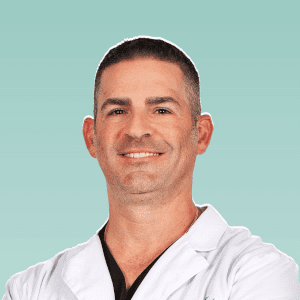
Author: Dr. Joseph Castellano
Dr. Joseph Castellano is a native Floridian who grew up in the Tampa Bay area. After medical school and residency, Dr. Castellano returned home and has opened a practice in Tampa, Florida focusing on breast augmentation, abdominoplasty, liposuction, facelift, and eyelid rejuvenation. He is a member of the American Board of Cosmetic Surgery, American College of Surgeons, and American Medical Association