You don’t have to be a scientist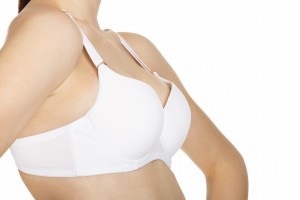 to appreciate nanotechnology. For the uninitiated, nanotechnology is the manipulation of matter on a molecular, or very small, scale. The field of nanotechnology first emerged in the 1980s and since that time, nanomaterials have been used to advance medicine, improve automobile engineering, and increase the durability and longevity of products ranging from tennis balls to trousers. These are just a few examples of the many areas nanotechnology has lent a helping hand, and soon we may be able to count breast implants as beneficiaries of this innovative technology.
Antibacterial Nanoparticles in Medical Devices: A Winning Combo
Nanometric particles that have antibacterial properties were initially developed 15 years ago in order to strengthen dental fillings. These particles attack bacteria that build up on a surface. This same nanotechnology will likely offer similar benefits to medical devices. For example, antibacterial nanoparticles have been successfully for use in catheters and other tubes typically inserted into the human body.
Imagining Bionic Breast Implants
Breast implants made with antibacterial nanotechnology could be a potential market in the near future. Breast augmentation is one of the most common cosmetic surgeries worldwide and shows no sign of slowing. However, there is always the risk that implants may need to be removed as a result of infection or capsular contracture, especially when you choose an inexperienced surgeon. Although these complications have a low overall rate of occurrence, scientists may soon be able to engineer a breast implant that can attack bacteria and resist infection, minimizing the chances of infection or capsular contracture and helping women enjoy their breast augmentation results for the long-term.
Author: Dr. Joseph Castellano
Dr. Joseph Castellano is a native Floridian who grew up in the Tampa Bay area. After medical school and residency, Dr. Castellano returned home and has opened a practice in Tampa, Florida focusing on breast augmentation, abdominoplasty, liposuction, facelift, and eyelid rejuvenation. He is a member of the American Board of Cosmetic Surgery, American College of Surgeons, and American Medical Association