The Avelar tummy tuck is a modified abdominoplasty technique that repositions the navel without creating a new one, resulting in a shorter scar and a more natural-looking result — but it is not the right operation for every Tampa patient. Knowing exactly who qualifies, and who does not, saves you a wasted consultation and sets realistic expectations before you book anything.
TL;DR: The ideal Avelar tummy tuck candidate in Tampa is a non-smoking adult within 15–20 pounds of a stable goal weight who has excess lower-abdominal skin and muscle separation caused by pregnancy or significant weight loss, but whose navel is still in an anatomically acceptable position. Castellano Cosmetic Surgery Center performs this technique as a standalone body procedure and as part of broader body-contouring plans. If you carry most of your laxity above the navel, a full tummy tuck may serve you better — the consultation will determine which applies to you in 2026.
Why This Matters in 2026
Tampa's cosmetic surgery market has grown sharply over the past three years, and so has patient confusion about tummy tuck variants. The Avelar technique — developed by Brazilian plastic surgeon Juarez Avelar — differs from the standard abdominoplasty in one critical way: it preserves the original umbilical stalk. That single anatomical decision changes who qualifies, what the scar pattern looks like, and how long recovery takes. Getting this wrong means either under-treating your concern or adding unnecessary surgical risk. This guide walks through the exact criteria Castellano Cosmetic Surgery Center uses to screen candidates in Tampa.
What You'll Need Before Pursuing This Procedure
- A stable weight held for at least 6 months (not actively dieting or gaining)
- No active smoking for a minimum of 6 weeks before and after surgery
- A BMI generally at or below 30, though individual anatomy matters more than a single number
- Completed childbearing, or a firm decision that future pregnancies are not planned
- Medical clearance from your primary care physician if you have any cardiovascular, metabolic, or clotting history
- Realistic expectations — the Avelar technique corrects skin and muscle, not subcutaneous fat volume
The Steps to Determining Candidacy
Step 1 — Assess your primary complaint honestly
Identify whether your concern is loose skin, a protruding abdomen, or both. The Avelar tummy tuck directly addresses excess lower-abdominal skin and diastasis recti (the separation of the rectus abdominis muscles that occurs in roughly 66% of women after pregnancy). If your complaint is primarily fat volume without significant skin excess, liposuction alone may be the more appropriate procedure in 2026.
Common mistake: Patients describe themselves as "just having a pooch" when they actually have moderate diastasis recti. A physical exam by a board-certified surgeon — not a self-assessment — is the only way to confirm muscle separation.
Step 2 — Evaluate navel position and skin distribution
The Avelar technique works best when the existing navel sits at or near the expected anatomical landmark (roughly at the level of the iliac crests). Because the original stalk is preserved and tunneled through the relocated skin, the surgeon needs enough working distance between the navel and the pubic hairline. If your navel has migrated significantly downward due to extreme skin excess, a standard abdominoplasty that creates a new umbilical opening is the more predictable option.
Expected outcome: Patients who are good candidates see a low, horizontal scar that sits at or within the bikini line and no visible "new belly button" scar — the defining cosmetic advantage of this technique.
Step 3 — Confirm weight stability
This is the most frequently violated criterion. A patient who loses 20 additional pounds after an Avelar tummy tuck will likely re-develop skin laxity, negating the result. Castellano Cosmetic Surgery Center's standard in Tampa is a minimum of 6 months at a weight the patient can realistically maintain long-term. Patients currently pursuing medically supervised weight loss (including GLP-1 medications like semaglutide) should reach their target weight and stabilize before booking a consultation for any abdominoplasty.
Common mistake: Timing surgery around a wedding or event rather than around biological readiness. A result that appears at 6 weeks post-op is not the final result — full tissue settling takes 6–12 months.
Step 4 — Screen for smoking and nicotine use
Nicotine — from cigarettes, vapes, patches, or gum — causes vasoconstriction that impairs wound healing and dramatically increases the risk of skin necrosis along the incision line. This risk is not theoretical: abdominoplasty already involves elevated skin flap tension, and nicotine compounds that tension into a genuine safety concern. The 6-week cessation requirement before surgery is a hard cutoff, not a guideline.
Common mistake: Patients underreport vaping because they do not consider it "smoking." Any nicotine delivery system counts.
Step 5 — Clarify your family-planning timeline
Pregnancy after an Avelar tummy tuck does not create a medical emergency, but it reverses the muscular repair and re-stretches the skin. The standard recommendation is to complete childbearing before any abdominoplasty. If you are undecided about future pregnancies, the honest answer is to wait. This also applies to patients considering a mommy makeover that includes an abdominoplasty component.
Expected outcome of waiting: Patients who respect this step have durable results. Patients who do not almost always return for revision surgery.
Step 6 — Understand what the Avelar technique does not fix
The Avelar tummy tuck removes excess skin and tightens the abdominal wall. It does not:
- Remove significant intra-abdominal (visceral) fat — that requires metabolic intervention, not surgery
- Correct flanks or hip rolls — those areas require liposuction, sometimes combined in the same operative session
- Lift the pubic mound — a pubic lift is a separate component that can be added but is not standard
- Replace non-surgical skin-tightening for patients with mild laxity who are not yet ready for surgery
Step 7 — Book a formal surgical consultation
Candidacy cannot be confirmed from photographs or an online quiz. A board-certified plastic surgeon needs to physically assess skin elasticity, pinch thickness, muscle separation, and navel position. At Castellano Cosmetic Surgery Center in Tampa, the consultation includes a review of medical history, current medications (including blood thinners and supplements), and a frank discussion of what the Avelar technique can and cannot achieve for your specific anatomy in 2026.
Troubleshooting — Common Candidacy Questions
"My BMI is 32. Does that disqualify me?"
BMI is a screening tool, not an absolute cutoff. A patient with a BMI of 32 who carries most of their weight in the abdomen and has minimal visceral fat may still be a candidate. A patient with a BMI of 28 who has significant visceral fat may not. The surgeon's physical assessment matters more than the number.
"I had a C-section scar. Will the Avelar technique work with it?"
In most cases, yes. The Avelar incision is placed low, often incorporating or excising the C-section scar. This is one of the most common clinical scenarios at Tampa practices that perform this technique.
"I lost 80 pounds. Am I a candidate?"
Significant weight loss often creates more skin excess than the Avelar technique alone can address — particularly above the navel. A standard full abdominoplasty, or a combination of procedures, is frequently the more appropriate option. See the mini tummy tuck vs full tummy tuck comparison to understand which skin-distribution pattern fits which procedure.
"Can I combine this with liposuction?"
Yes. Limited liposuction of the flanks is commonly performed in the same session as an Avelar tummy tuck. Aggressive liposuction of the abdominal flap itself carries elevated risk and is generally avoided.
"How long is recovery?"
Most patients return to desk work within 10–14 days. Strenuous activity and core exercise are restricted for 6–8 weeks. Full results — including final scar maturation — take 12 months. The week-by-week tummy tuck recovery guide covers what to expect at each stage.
"Is the Avelar technique available at all Tampa practices?"
No. It requires specific surgical training and is not offered universally. Confirm that the surgeon you consult with performs this technique regularly — not occasionally — before committing to a date in 2026.
Tools and Resources
- Surgical consultation: The non-negotiable first step. Bring a list of all medications, supplements, and your weight history for the past 12 months.
- Medical clearance: Request this from your primary care physician 4–6 weeks before your target surgery date so results are available in time.
- Nutritional baseline: Protein intake of at least 80–100 grams per day in the 4 weeks before surgery supports wound healing. Discuss specific targets with your care team.
- Smoking cessation support: Florida Quitline (1-877-U-CAN-NOW) offers free coaching and NRT. Start at least 6 weeks before your procedure date.
FAQ
What is an Avelar tummy tuck candidate in Tampa?
The ideal candidate is a non-smoking adult within 15–20 pounds of a stable goal weight who has lower-abdominal skin laxity, diastasis recti, or both — and who has completed childbearing. In Tampa's climate, many patients also time their procedure for fall or winter to keep compression garments more comfortable during recovery in 2026.
How is the Avelar tummy tuck different from a standard tummy tuck?
The Avelar technique preserves the original navel stalk rather than creating a new belly button opening. This produces one fewer visible scar and, in appropriately selected patients, a more natural umbilical appearance. The muscle repair and skin removal are otherwise similar to a full abdominoplasty.
Does BMI disqualify someone from the Avelar technique in Tampa?
Not automatically. Most surgeons use a BMI threshold around 30 as a starting point, but anatomy, fat distribution, and overall health history are the deciding factors. A surgeon's physical exam is more informative than a BMI calculator.
Can the Avelar tummy tuck be combined with a mommy makeover?
Yes. It is one of the most common abdominoplasty options included in a mommy makeover package at Castellano Cosmetic Surgery Center, typically combined with breast procedures in a single anesthetic session.
How long do Avelar tummy tuck results last?
Results are long-lasting when weight remains stable and no additional pregnancies occur. The muscular repair is permanent unless re-stretched. Skin laxity can return with significant weight fluctuation or pregnancy after surgery.
What disqualifies someone from this procedure?
Active smoking, weight that is not yet stable, uncontrolled diabetes, clotting disorders, plans for future pregnancy, and skin excess that extends significantly above the navel (which favors a standard full abdominoplasty instead) are the most common disqualifying factors.
How much does an Avelar tummy tuck cost in Tampa in 2026?
Total costs in Tampa in 2026 vary based on the extent of the procedure, anesthesia fees, and facility fees. The tummy tuck cost guide covers the full breakdown of what Tampa patients actually pay.
Is the Avelar tummy tuck a good option after a C-section?
Frequently, yes. The low incision placement often incorporates the existing C-section scar, which is both an aesthetic and a practical advantage for patients who have had one or more cesarean deliveries.
One Last Thing
The Avelar technique's navel-preservation approach was designed specifically to reduce the "operated" look that a poorly placed new belly button can produce. That single anatomical detail is why it tends to photograph differently — and why patient satisfaction scores for the technique in published plastic surgery literature consistently run above 90% in properly selected populations. The selection criteria exist to protect that outcome. If you meet them, the result is predictable. If you do not, a different procedure will serve you better — and a good surgeon will tell you that directly at consultation.
Related Guides
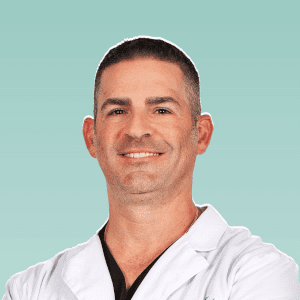
Author: Dr. Joseph Castellano
Dr. Joseph Castellano is a native Floridian who grew up in the Tampa Bay area. After medical school and residency, Dr. Castellano returned home and has opened a practice in Tampa, Florida focusing on breast augmentation, abdominoplasty, liposuction, facelift, and eyelid rejuvenation. He is a member of the American Board of Cosmetic Surgery, American College of Surgeons, and American Medical Association