A tummy tuck for moms in Tampa addresses two specific problems pregnancy leaves behind: separated abdominal muscles (diastasis recti) and excess skin that no amount of exercise can remove. This guide tells you who is a realistic candidate, what results actually look like, and how to evaluate your options at Castellano Cosmetic Surgery Center.
TL;DR: The best candidates for a tummy tuck for moms in Tampa are women who are done having children, within 15–20 lbs of their target weight, and non-smokers. A full abdominoplasty at Castellano Cosmetic Surgery Center tightens the muscle wall and removes loose skin in one procedure. Results are long-lasting when weight stays stable. If you also want breast or body work, a mommy makeover combines procedures under one anesthesia event.
Why this matters for Tampa moms in 2026
Pregnancy stretches the rectus abdominis muscles apart—a gap that persists after delivery in roughly 60% of postpartum women, according to aggregated clinical data. Diet and core exercise close a mild gap; a moderate-to-severe diastasis does not close without surgical repair. Tampa's year-round heat and active outdoor culture also mean clothing coverage is minimal, which makes loose abdominal skin a daily source of frustration rather than a seasonal one. The demand for abdominoplasty among postpartum patients in Florida has risen every year since 2020, and 2026 is no different.
Who this is for
This guide is written for mothers in the Tampa Bay area—whether one year postpartum or fifteen—who have reached a stable weight, completed their family, and want to know whether a tummy tuck is medically appropriate for their specific situation. It is not for women still planning future pregnancies (a subsequent pregnancy will stretch repaired muscles and re-loosen skin, negating results).
What to look for in a tummy tuck for moms
Diastasis recti repair capability
Most post-baby belly concerns aren't fat—they're a muscle gap that makes the abdomen pooch forward regardless of body fat percentage. A qualified surgeon evaluates gap width at your consultation. Repairs typically close the gap with permanent sutures along the midline. Confirm your surgeon addresses this step explicitly; not every tummy tuck technique does it with equal rigor.
Skin excision volume matched to your anatomy
A mini tuck removes a small strip below the navel and suits women with mild laxity confined to the lower abdomen. A full abdominoplasty excises a larger panel from hip to hip and repositions the navel—appropriate when laxity extends above the belly button. Mismatch between technique and anatomy is the single most common source of "underwhelming" tummy tuck results. Ask your surgeon to mark the planned excision zone at your consultation so you understand exactly what skin is being removed.
Scar placement and length
The horizontal scar sits low—ideally within your bikini line—but its length depends on how much skin needs to go. Surgeons who promise unusually short scars while removing large volumes of skin are cutting corners. A longer, well-placed scar that heals flat is preferable to a short scar with residual skin bunching at the ends ("dog ears"). Ask to see healed scar photos at 12 months, not 6 weeks.
Board certification and hospital privileges
In 2026, Florida still has no requirement that a cosmetic surgeon be board-certified by the American Board of Plastic Surgery. Verify ABPS certification independently at abms.org. Also confirm the surgeon holds active hospital privileges—it signals peer-reviewed credentialing beyond the office setting.
Anesthesia setting and team
A full abdominoplasty requires general anesthesia and typically 2–4 hours of operating time. Confirm the procedure happens in an accredited surgical facility (AAAHC or JCAHO) with a board-certified anesthesiologist or CRNA—not just sedation. Tampa has a mix of accredited centers and unaccredited suites; the distinction matters for safety and emergency response.
Realistic weight stability requirement
Surgeons at reputable practices require patients to be within 15–20 lbs of their target weight before operating. Operating on a patient who plans to lose significant weight post-surgery wastes the result—fat loss after a tummy tuck can re-loosen skin. If you're still losing postpartum weight, wait until you've been stable for at least 3–6 months.
Top procedure options at Castellano Cosmetic Surgery Center
Full abdominoplasty — the standard pick
Best for moms with diastasis recti plus skin laxity from navel to pubis. The procedure repairs the muscle wall, removes the redundant skin panel, and repositions the navel. Recovery is 4–6 weeks to return to light activity, 8–12 weeks to full exertion. This is the most commonly performed option for postpartum patients at the practice. Verdict: Buy — the right choice for the majority of moms with post-pregnancy belly concerns. See the full procedure details on the tummy tuck page.
Avelar tummy tuck — the refined option
The Avelar tummy tuck is a modified technique that combines liposuction with skin excision, preserving more of the skin's blood supply. This reduces the risk of healing complications in the excised zone and can produce a flatter, more contoured result in patients who carry fat deposits alongside loose skin. It is a more technically demanding procedure—not every surgeon offers it. Verdict: Consider — worth asking about at consultation if you have both loose skin and persistent fat deposits in the flanks.
Mommy makeover — the combination approach
For moms who want to address breast volume loss (deflation after nursing) alongside the abdomen, a mommy makeover packages a tummy tuck with breast augmentation or a lift under one anesthesia event. Combining reduces total recovery time compared to two separate surgeries. The tradeoff is a longer operating time and a more demanding recovery in weeks 1–2. Verdict: Consider — the right move when breast and abdominal concerns are both significant, not just as a way to "do more."
What to avoid
- Scheduling surgery before your weight is stable. Significant post-op weight loss or gain—more than 10–15 lbs—directly undermines the result. Patience here is not optional.
- Choosing a surgeon based on price alone. Tampa has a wide range of abdominoplasty pricing in 2026. The lowest quotes frequently correspond to non-accredited facilities, less experienced surgeons, or cut-rate anesthesia. The real cost breakdown for Tampa patients explains what drives the number.
- Ignoring the preparation requirements. Smoking, certain supplements, and some medications increase complication risk significantly. Surgeons who don't ask about these in detail at your pre-op appointment are skipping a critical safety step. The tummy tuck preparation guide covers what you need to stop and when.
Verdict comparison table
| Procedure | Diastasis repair | Skin removal | Fat removal | Recovery | Best candidate |
|---|---|---|---|---|---|
| Full abdominoplasty | Yes | Hip to hip | Optional add-on | 8–12 weeks full | Most postpartum moms |
| Avelar tummy tuck | Yes | Hip to hip | Included | 8–12 weeks full | Loose skin + fat deposits |
| Mini tummy tuck | Partial | Below navel only | No | 4–6 weeks | Mild lower laxity only |
| Mommy makeover | Yes (with tummy tuck) | Hip to hip | Optional | 8–12 weeks full | Breast + abdomen concerns |
FAQ
What's the best tummy tuck option for moms in Tampa in 2026?
A full abdominoplasty is the right choice for most postpartum women because it repairs diastasis recti and removes skin laxity above and below the navel in one procedure. The Avelar technique is worth discussing if you also have persistent fat deposits in the flanks.
How long after having a baby can I get a tummy tuck?
Most surgeons require at least 6 months postpartum and—if you breastfed—3 months after stopping. Weight should be stable for at least 3–6 months before surgery. Rushing the timeline increases complication risk and undermines the result.
Will a tummy tuck fix my diastasis recti?
Yes, a full abdominoplasty includes suture repair of the separated rectus abdominis muscles. This is what closes the midline gap and flattens the "pooch" that core exercises cannot fix. Confirm your surgeon performs this step—it should be explicit in your surgical plan.
Is a tummy tuck permanent?
The muscle repair and skin removal are permanent. Fat can return to the abdomen if you gain significant weight after surgery, and a future pregnancy will re-stretch the muscle repair. Results last longest in patients who are done having children and maintain a stable weight.
How much does a tummy tuck cost in Tampa in 2026?
Pricing varies by procedure type, surgeon, and facility. A full abdominoplasty at an accredited Tampa center typically includes surgeon fee, anesthesia, and facility costs. For a detailed breakdown of what drives the price, see the cost guide linked in the "What to avoid" section above.
Can I combine a tummy tuck with other procedures?
Yes. A mommy makeover at Castellano Cosmetic Surgery Center can combine a tummy tuck with breast augmentation, a breast lift, or liposuction under one anesthesia event. Combining is appropriate when multiple areas need attention—not just for efficiency's sake.
What disqualifies someone from getting a tummy tuck?
Active smoking, BMI above approximately 35, unstable weight, plans for future pregnancy, uncontrolled diabetes, and certain blood-clotting conditions are common disqualifying factors. Your surgeon will review your full medical history at the consultation.
How painful is tummy tuck recovery for moms?
The first 3–5 days are the most uncomfortable, with tightness and soreness managed by prescribed pain medication. Most patients are off prescription pain medication by day 7. Light walking begins within 24–48 hours to reduce clot risk. Return to lifting children (anything over 10 lbs) takes 6–8 weeks minimum.
One last thing
Diastasis recti repair is not cosmetic in the strict sense—it is a functional reconstruction of the abdominal wall. Some insurance plans partially cover the repair component when it is documented as medically necessary (causing back pain or hernia risk). Ask your surgeon's billing team to check your specific coverage before assuming the entire procedure is out-of-pocket. Even a partial reimbursement changes the financial calculus significantly.
Related guides
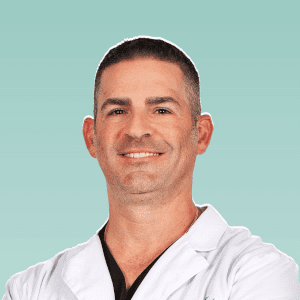
Author: Dr. Joseph Castellano
Dr. Joseph Castellano is a native Floridian who grew up in the Tampa Bay area. After medical school and residency, Dr. Castellano returned home and has opened a practice in Tampa, Florida focusing on breast augmentation, abdominoplasty, liposuction, facelift, and eyelid rejuvenation. He is a member of the American Board of Cosmetic Surgery, American College of Surgeons, and American Medical Association