Bromelain, vitamin C, zinc, and a handful of other supplements to speed healing after surgery show up in nearly every post-op instruction sheet handed out in Tampa in 2026 — here's which ones actually earn a spot in your medicine cabinet and which ones just take your money.
- Bromelain and arnica montana rank highest among supplements to speed healing after surgery — start bromelain the morning of surgery, not after. Buy.
- Vitamin C (500-1,000mg daily) and zinc (15-30mg daily) support collagen and wound closure after a tummy tuck or facelift. Buy.
- Protein intake matters more than any capsule during recovery — most patients under-eat it in week one. Prioritize.
- Fish oil, vitamin E, and high-dose garlic raise bleeding risk and belong on the pre-op avoid list, not the post-op cart. Skip.
- None of these replace your surgeon’s specific instructions — confirm every supplement at your pre-op visit before 2026 surgery dates.
Why this matters
Bruising, swelling, and how fast an incision closes aren't purely a function of surgical skill — what's circulating in your bloodstream on surgery day plays a real part too. Board-certified surgeons like Dr. Joseph Castellano and Dr. Mindi Giglio in Tampa build a short, specific supplement plan into pre-op instructions rather than leaving patients to guess at the vitamin aisle.
Some of the most common over-the-counter products actually work against you. Before you add anything new to your routine, run it past the supplements to avoid before surgery list — fish oil, high-dose vitamin E, and certain herbal blends thin blood at exactly the wrong moment. The supplements below are the ones with a real job to do during recovery, not the ones that just sound healthy.
How this list is ranked
Each supplement here is ranked on three things: documented effect on bruising, swelling, or wound closure; how commonly it appears in post-op protocols across cosmetic surgery practices; and bleeding or interaction risk that could push a procedure date. Dosing ranges reflect what's commonly published in plastic surgery patient education materials as of 2026, not a one-size dose for every patient. Your surgeon's instructions always override anything on this page — this list is a starting point for the conversation at your pre-op visit, not a replacement for it.
The ranked list
1. Bromelain — the bruising fighter
Bromelain is a pineapple-derived enzyme with a long track record in post-surgical bruising and swelling reduction. A common protocol runs 500mg twice daily, started the morning of surgery and continued for 7 to 10 days after.
It's inexpensive, widely available, and has a low interaction profile for most healthy adults — the main caution is for anyone on blood thinners, which needs a surgeon sign-off first. Verdict: Buy.
2. Arnica montana — the classic, with caveats
Arnica shows up in nearly every recovery kit sold by plastic surgery practices, usually as 30C homeopathic pellets taken three times a day starting the day of surgery. Patient-reported results on bruising are consistently positive, even though the clinical evidence base is thinner than bromelain's.
It's low-risk and low-cost, which is why it stays on most post-op lists even without airtight data behind it. Verdict: Buy as a low-risk add-on, not a stand-alone bruising fix.
3. Vitamin C — the collagen builder
Collagen synthesis depends on vitamin C, which makes it relevant for incision healing after any surgical procedure — breast augmentation, a facelift, a tummy tuck, all of it. A daily range of 500 to 1,000mg is standard in post-op nutrition guidance.
Most people already get some through diet, but surgical stress increases the body's demand. Verdict: Buy — cheap, well-tolerated, and directly tied to how your scar matures.
4. Zinc — the wound-closer
Zinc deficiency is one of the more overlooked reasons a wound heals slower than expected. A daily dose of 15 to 30mg supports the cell division and protein synthesis your body needs to close an incision.
Don't stack it indefinitely — high-dose, long-term zinc can interfere with copper absorption. Two to three weeks post-op is the typical window. Verdict: Buy for the recovery period, not as a year-round habit without a reason.
5. Protein — the workhorse nobody takes seriously
No capsule outperforms adequate protein intake for tissue repair. Surgical recovery increases protein needs, and most patients quietly under-eat during the first week because eating feels like an afterthought next to pain management and mobility.
A scoop of whey or plant protein added to a smoothie is often the easiest way to hit the gap when appetite is low. Pair this with the broader post-surgery nutrition plan rather than treating it as an isolated fix. Verdict: Buy — prioritize this over every pill on this list.
6. A basic multivitamin — the safety net
If your diet is inconsistent in the days around surgery — which it usually is, between pre-op fasting and post-op nausea — a basic multivitamin covers gaps in B vitamins, vitamin A, and trace minerals that support wound healing generally. It's not a targeted fix for anything specific.
Verdict: Hold — useful insurance if your diet is thin, unnecessary if you're already eating well and taking the targeted options above.
7. Fish oil, vitamin E, and high-dose garlic — the ones to pause
These three are grouped together because they share the same problem: all three increase bleeding and bruising risk when taken close to surgery. Most surgical practices ask patients to stop them two weeks before surgery and hold off for at least a week or two afterward, depending on the procedure.
Omega-3s and vitamin E have real benefits outside the surgical window — they're just poorly timed choices for anyone booking a 2026 procedure date. Verdict: Skip in the four-week window around surgery, resume after clearance.
Comparison table
| Supplement | Primary benefit | Typical dose | Timing | Verdict |
|---|---|---|---|---|
| Bromelain | Reduces bruising and swelling | 500mg 2x/day | Start day of surgery | Buy |
| Arnica montana | Bruising support | 30C, 3x/day | Start day of surgery | Buy |
| Vitamin C | Collagen synthesis | 500-1,000mg/day | Throughout recovery | Buy |
| Zinc | Wound closure | 15-30mg/day | 2-3 weeks post-op | Buy |
| Protein | Tissue repair | Per meal, prioritized | Entire recovery period | Buy |
| Multivitamin | General nutrient gap fill | Standard label dose | As needed | Hold |
| Fish oil / vitamin E / garlic | General health, unrelated to healing | N/A during recovery | Stop 2 weeks pre-op | Skip |
Get a pre-op supplement plan
Confirm what to take and what to stop before your Tampa procedure.
Where to buy — and what to skip on the shelf
Stick to a few sourcing rules instead of chasing brand names:
- Look for third-party testing. USP or NSF-verified labels mean what's on the label is actually in the bottle — supplement manufacturing isn't regulated the way medications are.
- Avoid "recovery blend" products with a dozen ingredients. Megadose combination formulas make it harder to isolate what's actually helping, and some bury fish oil or vitamin E inside a bruising blend, which defeats the purpose.
- Bring the bottle to your pre-op visit. A five-minute label check catches interactions before they become a delayed surgery date.
Some patients look past oral supplements entirely for an edge on tissue repair. Peptide therapy for post-surgical recovery works through injectable compounds aimed at collagen synthesis and inflammation control rather than a pill you swallow, and it sits completely outside your surgeon's standard protocol — anyone considering it needs to loop their surgical team in before, not after, starting.
If swelling is your main concern rather than bruising, the guidance on swelling after fillers applies to surgical swelling too — cold compresses and head elevation do more heavy lifting than any capsule. And if bruising is the visible problem you're trying to solve, the full breakdown on reducing bruising after surgery covers timing details this list only touches on.
FAQ
What supplements actually speed healing after cosmetic surgery?
Bromelain, arnica montana, vitamin C, zinc, and adequate protein intake are the supplements with the most consistent support for reducing bruising, swelling, and speeding wound closure in 2026 post-op protocols. Each targets a different part of recovery, so they work best combined, not as a single fix.
When should I start taking bromelain before surgery?
Most protocols have patients start bromelain the morning of surgery at 500mg twice daily, continuing for 7 to 10 days afterward. Starting earlier isn’t standard practice and should be cleared with your surgeon first.
Is arnica montana actually proven to reduce bruising?
The clinical evidence on arnica is mixed, but patient-reported results are consistently positive and the risk profile is low. That combination is why it stays on most post-surgical recovery lists in 2026 despite thinner data than bromelain.
What supplements should I stop before plastic surgery?
Fish oil, high-dose vitamin E, and high-dose garlic should stop about two weeks before surgery because all three increase bleeding and bruising risk. A full breakdown of what else to pause sits in the supplements-to-avoid guide for Tampa patients.
How much protein do I need after a tummy tuck or breast augmentation?
There’s no single number that applies to everyone, but most patients need more protein than they’re eating during week one of recovery, when appetite is low and healing demand is high. Prioritizing protein at each meal matters more than any single supplement on this list.
Can I take a multivitamin instead of individual supplements?
A multivitamin fills general nutrient gaps but doesn’t replace targeted options like bromelain for bruising or zinc for wound closure. It’s a reasonable safety net if your diet is inconsistent, not a substitute for the specific recovery supplements.
Do supplements replace compression garments or other recovery steps?
No — supplements support healing from the inside, but they don’t replace mechanical recovery tools like compression garments after body procedures. Both work together, not as alternatives to each other.
How long should I keep taking recovery supplements after surgery?
Most targeted supplements like bromelain and zinc are used for 1 to 3 weeks post-op, tapering off once swelling and bruising resolve. Vitamin C and protein intake are reasonable to continue as part of a normal diet well beyond that window.
One last thing
The supplement patients skip most often isn't a pill at all — it's water. Dehydration makes swelling worse and slows the way your body clears anesthesia byproducts, and it's free. Before spending on a bruising blend, check that you're actually drinking enough in the days around surgery; recovering during a Tampa summer makes this even more important, which is worth reading up on before your surgery date lands in peak heat season.
Related guides
- What to eat after cosmetic surgery for faster healing
- Supplements to avoid before plastic surgery in Tampa
- How to reduce bruising after cosmetic surgery in Tampa
- How to reduce swelling after facial fillers in Tampa
- Cosmetic surgery recovery house in Tampa: what it is and why
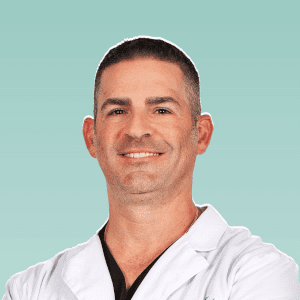
Author: Dr. Joseph Castellano
Dr. Joseph Castellano is a native Floridian who grew up in the Tampa Bay area. After medical school and residency, Dr. Castellano returned home and has opened a practice in Tampa, Florida focusing on breast augmentation, abdominoplasty, liposuction, facelift, and eyelid rejuvenation. He is a member of the American Board of Cosmetic Surgery, American College of Surgeons, and American Medical Association