Post-acne redness — the pink, red, or purple marks left behind after a breakout clears — responds to a specific set of med spa treatments, and picking the wrong one wastes months. This guide ranks the treatments that actually fade erythema, not the ones marketed for acne scars or texture.
- IPL photofacial is the top pick for post-acne redness in Tampa in 2026 — targets the blood vessels causing the color directly.
- Morpheus8 wins when redness comes with textured scarring; results build over 4 to 6 weeks after each session.
- Superficial chemical peels are the lowest-cost entry point but need active breakouts under control first.
- Daily SPF 30 or higher matters as much as any procedure — heat and UV re-trigger the flush that causes redness.
- Standalone microneedling is the safer call for deeper skin tones prone to post-inflammatory hyperpigmentation.
Why this matters
Post-acne redness isn't a scar and it isn't pigment in the way melasma or sun spots are — it's dilated blood vessels sitting close to the skin's surface after inflammation. That distinction matters because treatments built for texture or brown discoloration don't necessarily touch red marks, and treatments built for redness don't fix pitting. Getting this wrong means paying for a series of sessions that improve the wrong thing.
The med spa team at Castellano Cosmetic Surgery Center in Tampa evaluates redness separately from scarring during a consult, because the two often need different tools even when a patient assumes it's all "acne scars." A treatment plan built around acne-prone skin protocols usually starts by confirming the breakouts themselves are controlled — treating redness on active acne just restarts the cycle.
How this list is ranked
The ranking below weighs four things: how directly the treatment addresses vascular redness (versus texture or pigment), typical session counts based on aggregated clinical use in 2026, downtime, and how well each option layers with skin that's still acne-prone. Treatments aimed primarily at pitted scarring or brown discoloration are noted but ranked lower for redness specifically, since that's the concern this guide answers.
The ranked treatments
1. IPL Photofacial — the classic redness eraser
Intense pulsed light targets hemoglobin in the small, dilated capillaries that create the red or purple tint after a breakout heals. It's a light-based treatment, not a laser in the strict sense, and it works on the surface without breaking the skin.
Most patients need 3 to 4 sessions spaced 3 to 4 weeks apart to see the red visibly fade rather than one dramatic result. Downtime is close to zero — some redness and mild swelling for a few hours, then back to makeup the next day. It also treats rosacea-related flushing using the same vascular targeting, which is why it's the go-to for post-acne redness in Tampa's 2026 med spa lineup.
Verdict: Buy for mild-to-moderate red or purple post-acne marks with minimal texture change.
2. Pulsed dye or vascular laser — the stubborn-case option
When IPL doesn't fully clear deep or long-standing redness, a dedicated vascular laser goes after the same capillaries with a more targeted wavelength. It's more precise for isolated red patches but usually costs more per session than IPL.
Expect 2 to 3 sessions for moderate cases, with brief bruising or a purplish mark (purpura) lasting a few days after each pass. This tool is closely related to the technology used for facial spider veins, so it's worth asking whether your provider also treats vascular concerns beyond acne marks.
Verdict: Consider if IPL alone hasn't moved the needle after two sessions.
3. Morpheus8 — the redness-plus-texture combo
Morpheus8 combines microneedling with radiofrequency energy, so it does two jobs at once: it remodels collagen for pitted or textured scarring while the heat component calms surrounding redness over time. It's the pick when a patient has both problems, not just discoloration.
Results build gradually — most patients see improvement 4 to 6 weeks after each session, with a typical series of 3 sessions spaced about a month apart. Downtime runs 2 to 4 days of redness and mild swelling, more than IPL but less than ablative resurfacing. Full detail on how Morpheus8 performs against acne scars is worth reading if texture is part of the picture.
Verdict: Buy for redness paired with visible pitting or roughness.
4. Chemical peels — the budget entry point
Superficial and light-medium peels exfoliate the top layer of skin, which speeds up how fast surface discoloration fades and evens tone overall. They're the least expensive option on this list and require the least equipment, which is why they're often the first thing offered.
A typical series runs 4 to 6 peels spaced 2 to 4 weeks apart for superficial depths, with a few days of flaking rather than true downtime. The catch: peels work on pigment and dull texture more than they work on active redness from dilated vessels, so they're a supporting treatment, not a standalone fix, for deep post-acne erythema. Details on peel types and recovery by depth explain which depth actually matches which concern.
Verdict: Buy for mild, early redness on a budget; Wait if you're still breaking out or the redness is significant.
5. Standalone microneedling — the gentle rebuilder
Microneedling without radiofrequency creates controlled micro-injury to trigger collagen without adding heat, which makes it a safer starting point for deeper skin tones where heat-based devices carry a higher risk of triggering new hyperpigmentation.
Most plans run 3 to 4 sessions about 4 weeks apart, with 24 to 48 hours of redness and pinpoint sensitivity afterward. It improves overall skin quality and can soften redness gradually, but it's slower than IPL for color specifically.
Verdict: Consider for darker skin tones or patients who want to avoid heat-based devices entirely.
6. Fractional laser resurfacing — the deep-reset option
Fractional resurfacing addresses redness and textural scarring simultaneously by resurfacing columns of skin at a time, and it produces more dramatic single-session change than any option above it that isn't invasive.
The tradeoff is downtime: 5 to 7 days of visible redness, peeling, and social downtime after a single treatment, versus the near-zero downtime of IPL. It's a legitimate option when redness and scarring are both significant, but it's overkill for redness alone.
Verdict: Consider for stubborn, long-standing redness with scarring; Skip if you can't take a week off from your normal routine.
7. At-home maintenance — the layer that keeps results
LED light therapy, azelaic acid, and daily SPF 30+ don't replace an in-office treatment, but they extend how long results last and slow how fast new redness develops after a breakout. Heat and UV exposure both dilate the same vessels that cause the redness in the first place, which is why sun protection is non-negotiable during any of the treatments above.
Verdict: Buy as a maintenance add-on, never as a standalone fix for existing redness.
Talk to a Tampa med spa provider
Get redness and scarring evaluated separately before booking a series.
Comparison table
| Treatment | Typical sessions | Downtime | Best for | Verdict |
|---|---|---|---|---|
| IPL Photofacial | 3-4, every 3-4 weeks | Minimal | Mild-moderate redness | Buy |
| Vascular/pulsed dye laser | 2-3 | A few days bruising | Stubborn isolated redness | Consider |
| Morpheus8 | 3, monthly | 2-4 days | Redness + texture | Buy |
| Chemical peel (superficial) | 4-6, every 2-4 weeks | Minimal flaking | Mild redness, budget | Buy / Wait |
| Microneedling (standalone) | 3-4, monthly | 24-48 hours | Darker skin tones | Consider |
| Fractional resurfacing | 1-2 | 5-7 days | Severe redness + scarring | Consider / Skip |
What to avoid
- Booking a peel while actively breaking out. Exfoliating inflamed skin extends redness instead of fading it — get acne under control first.
- Choosing based on price alone. The cheapest series often targets pigment or texture, not the vascular cause of post-acne redness, which means paying twice.
- Skipping SPF during the treatment series. Sun and heat exposure re-dilate the same vessels every option above is trying to shrink.
FAQ
What’s the best treatment for post-acne redness?
IPL photofacial is generally the best starting point for post-acne redness in 2026 because it targets the dilated blood vessels directly rather than texture or pigment. Most patients need 3 to 4 sessions to see the color fade.
Is Morpheus8 better than IPL for red acne marks?
Morpheus8 is better when redness comes with pitted or textured scarring, since it addresses both at once. IPL alone is faster and lower-downtime if redness is the only concern.
How much does treating post-acne redness cost in Tampa?
Cost varies by treatment type, device, and how many sessions a plan requires, so pricing is best confirmed during a consultation rather than estimated generically.
Will post-acne redness fade on its own without treatment?
Mild post-acne redness can fade on its own over several months to a year in some patients, but persistent redness usually needs a vascular-targeting treatment like IPL to resolve faster.
Do chemical peels fix post-acne redness?
Chemical peels help mild redness and improve overall tone but don’t directly target the dilated blood vessels causing deeper redness. They work better paired with a vascular treatment.
Is microneedling safe for darker skin tones with post-acne redness?
Standalone microneedling without radiofrequency carries a lower risk of triggering hyperpigmentation in darker skin tones compared to heat-based devices, making it a common first choice.
How many IPL sessions are needed for post-acne redness?
Most patients need 3 to 4 IPL sessions spaced 3 to 4 weeks apart to see visible fading of post-acne redness, though deeper or older redness may need more.
Can you treat post-acne redness and active acne at the same time?
Providers typically get active breakouts under control before starting redness treatments, since inflaming the skin further can restart the redness cycle.
One last thing
Post-acne redness isn't a scar and it isn't permanent pigment — it's a vascular response, which is exactly why treatments built for scarring or brown spots often underperform on it. The single highest-leverage habit patients skip in 2026 isn't the procedure, it's daily SPF 30+: heat and UV exposure re-dilate the same vessels every treatment on this list is trying to shrink, which means skipping sunscreen can undo a full IPL series in one summer.
Related guides
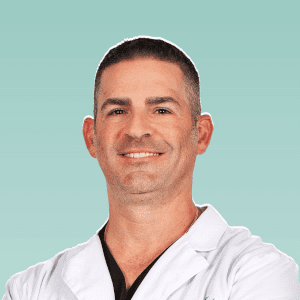
Author: Dr. Joseph Castellano
Dr. Joseph Castellano is a native Floridian who grew up in the Tampa Bay area. After medical school and residency, Dr. Castellano returned home and has opened a practice in Tampa, Florida focusing on breast augmentation, abdominoplasty, liposuction, facelift, and eyelid rejuvenation. He is a member of the American Board of Cosmetic Surgery, American College of Surgeons, and American Medical Association