Breast implant illness (BII) is not a single diagnosis, and that's exactly why so many Tampa patients spend months bouncing between doctors before anyone gives them a straight answer. This guide breaks down which symptoms actually track with implants, which tests rule out the mimics, and what your first move should be in 2026.
TL;DR
Breast implant illness describes a cluster of systemic symptoms — fatigue, joint pain, brain fog, hair loss — that some patients report after augmentation, though it isn't a codified medical diagnosis the way capsular contracture or rupture are. If you're searching breast implant illness Tampa because something feels off, the right first step is an in-person evaluation with a board-certified surgeon, not a Facebook group diagnosis. Verdict: get evaluated before you decide anything about explant. Dr. Joseph Castellano and Dr. Mindi Giglio at Castellano Cosmetic Surgery Center see this exact pattern of self-diagnosis play out often enough to know it usually starts with the wrong test order.
Why this matters
The FDA added a boxed warning to breast implants in 2021 after years of patient-reported symptom clusters, and it now requires a patient decision checklist before surgery. That doesn't mean BII is confirmed as implant-caused in every case — it means the agency acknowledged enough reports to change labeling.
What gets lost in that history is the difference between BII symptoms and known, mechanical implant complications. Capsular contracture, rupture, and malposition all have physical exam findings and imaging signatures. BII symptoms are systemic and harder to pin down, which is why a proper workup with a board-certified surgeon matters more here than in almost any other consult.
Who this is for
This is for women with breast implants in the Tampa Bay area who've noticed new fatigue, joint pain, rashes, hair thinning, or cognitive symptoms months or years after augmentation, and who want to know whether implants are the cause before scheduling any procedure. It's also for patients weighing explant against revision who need to separate BII concerns from straightforward mechanical issues like contracture or rupture.
What to look for when evaluating your symptoms
Timeline relative to implant placement
BII symptoms typically surface anywhere from 2 to 10 years after placement, though some patients report onset within the first year. If your symptoms started the week of surgery, that points toward a surgical or anesthesia reaction, not BII — the timeline itself is diagnostic information.
Whether the pattern matches a known complication first
Joint pain plus firmness or shape change in one breast points toward capsular contracture, not a systemic illness. A sudden size change or visible deflation points toward rupture. BII gets diagnosed by exclusion, so ruling out mechanical causes has to come before anything else.
Imaging and lab workup, not just symptom checklists
An ultrasound or MRI can confirm or rule out rupture and malposition in a single visit. Blood work can rule out thyroid disease, autoimmune conditions, and vitamin deficiencies that mimic BII symptoms almost exactly. Skipping this step is the single biggest reason patients end up in explant surgery that doesn't fix anything.
Implant type and how it factors in
Silicone implants carry a small risk of silent rupture that only imaging can catch, which is part of why the FDA recommends screening MRIs every 2 to 3 years starting at year 5 or 6 for silicone patients. Saline implants deflate visibly when they rupture, so the diagnostic path looks different depending on which type you have.
Surgeon's approach to the removal conversation
A surgeon who jumps straight to "let's schedule explant" without ordering imaging or labs first is skipping the workup that actually tells you what's happening. The right conversation includes en bloc capsulectomy versus standard removal, what happens to breast shape afterward, and realistic expectations for symptom resolution.
Board certification of whoever is doing the evaluating
This sounds obvious until you realize how many BII consults happen with providers who aren't board-certified plastic surgeons. Certification matters here specifically because the evaluation requires surgical judgment about capsule tissue, implant integrity, and reconstruction options — not just a symptom questionnaire.
Your next move if you suspect BII
Book an in-person evaluation with a board-certified surgeon — the safe pick. One number that matters: the FDA's 2021 labeling update requires surgeons to walk patients through a documented risk checklist before any implant-related decision, which means a proper consult in 2026 should already include this conversation without you having to ask. Verdict: Buy — do this first, every time. Board certification isn't a formality here; it's the difference between a surgeon who can order and interpret the right imaging and one who can't.
Rule out capsular contracture before assuming it's systemic — the practical pick. Contracture affects a meaningful share of augmentation patients over time and causes firmness, pain, and shape distortion that can feel like it's "more than just the breast." Capsular contracture has clear early signs, and catching it early changes the treatment options available. Verdict: Consider — get this checked in the same visit as your BII workup.
Ask about malposition and rupture screening — the one people skip. Implant shifting or bottoming out can cause chronic discomfort that gets misattributed to illness rather than mechanics. A workup for breast implant malposition includes imaging that also happens to catch silent rupture in the same scan. Verdict: Consider — ask for this explicitly if your surgeon doesn't bring it up.
Compare implant type before deciding on removal — the decision that shapes everything after. Whether you have silicone or saline changes what imaging you need and how urgent that imaging is. Silicone versus saline also matters if you're weighing replacement instead of full removal once symptoms are worked up. Verdict: Consider — know your implant type going into the consult, not after.
What to avoid
- Self-diagnosing from social media symptom lists. Online BII communities are useful for emotional support, not for ruling out thyroid disease, autoimmune conditions, or a rupture that needs imaging to confirm.
- Scheduling explant before any imaging or labs. Removing implants without a workup means you might fix nothing if the actual cause was a thyroid issue or unrelated autoimmune condition.
- Choosing a provider based on how fast they'll schedule surgery. A surgeon who skips the diagnostic conversation in 2026 is skipping the part of the process that protects you from an unnecessary procedure.
Verdict comparison
| Concern | Likely cause | Action | Verdict |
|---|---|---|---|
| Fatigue, joint pain, brain fog | Possible BII, or thyroid/autoimmune mimic | Labs + surgeon evaluation | Get evaluated |
| Firmness, pain, shape change (one side) | Capsular contracture | Exam + possible revision | Get evaluated |
| Sudden size change or deflation | Rupture (saline) | Immediate imaging | Get evaluated |
| Chronic asymmetry or shifting | Malposition | Ultrasound or MRI | Get evaluated |
| Symptoms with no imaging findings | Possible BII by exclusion | Discuss removal options | Consider |
FAQ
What is breast implant illness?
Breast implant illness refers to a cluster of systemic symptoms — fatigue, joint pain, brain fog, hair loss, rashes — that some patients report after breast implant surgery. It is not a formally coded medical diagnosis, which is why evaluation happens by ruling out other causes first.
Is breast implant illness in Tampa treated differently than elsewhere?
No — the diagnostic approach is the same nationally, but access to board-certified surgeons who can order the right imaging and labs varies by market. Tampa Bay has multiple board-certified options, so there's no reason to settle for a rushed evaluation.
What are the most common symptoms of BII?
Fatigue, joint and muscle pain, brain fog, hair loss, and skin rashes are the most frequently reported symptoms. None of these are exclusive to BII, which is exactly why lab work and imaging come before any conclusion.
How long after augmentation can BII symptoms start?
Most reported cases surface between 2 and 10 years after implant placement, though timing varies. Symptoms that start immediately after surgery point toward a different cause, like an anesthesia reaction.
Can silicone implants cause BII more often than saline?
There's no confirmed causal data proving one implant type causes BII more than the other. Silicone does carry silent rupture risk that requires MRI screening, which is a separate consideration from BII itself.
Do I need an MRI to check for BII?
MRI won't diagnose BII directly, but it rules out silent silicone rupture and malposition, both of which can produce similar systemic-feeling symptoms. It's a standard part of the workup before any BII conclusion.
Is explant surgery the only fix for BII symptoms?
Explant is the most common step patients pursue once mechanical causes are ruled out, but it's not guaranteed to resolve every symptom. A documented workup first tells you whether removal is even the right move.
How much does a BII evaluation cost in Tampa?
Costs vary by whether you need imaging, labs, or just a consult, and pricing details are best confirmed directly with the practice you're consulting. The evaluation itself is a separate cost from any eventual removal or revision procedure.
One last thing
The FDA's 2021 boxed warning requirement means every legitimate implant consult in 2026 should already include a documented risk discussion before surgery — if a provider skips that conversation on the removal side too, that's the signal to get a second opinion, not a reason to book faster.
Related guides
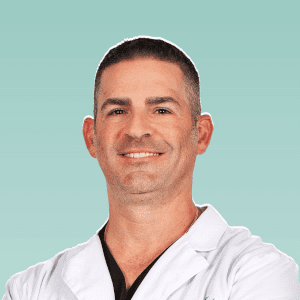
Author: Dr. Joseph Castellano
Dr. Joseph Castellano is a native Floridian who grew up in the Tampa Bay area. After medical school and residency, Dr. Castellano returned home and has opened a practice in Tampa, Florida focusing on breast augmentation, abdominoplasty, liposuction, facelift, and eyelid rejuvenation. He is a member of the American Board of Cosmetic Surgery, American College of Surgeons, and American Medical Association