 Updated for 2026.
While many cosmetic surgery patients consider the recovery period immediately following their procedure to concern primarily physical healing, the post-surgical blues are a much less talked about phenomenon. Undergoing any type of cosmetic surgery can feel like a monumental change.
When the potential anxiety and uncertainty that comes with undergoing breast augmentation is combined with the effects of pain medications, post-anesthesia fatigue and bruising and swelling that obscures your results, it’s completely understandable to feel emotional. Use these five tips to help soothe your emotions after breast augmentation.
1. Have a Strong Support System in Place
When recovering from breast augmentation, it’s important to call on loved ones to assist you through the healing process. Friends and family can provide excellent physical and emotional support during this difficult time. Whether helping to prepare meals, driving the kids to school or simply offering a listening ear and a shoulder to lean on, don’t underestimate the value of a social support system. If a friend or family member has had cosmetic surgery before, it can be especially comforting to share your anxieties and know that you are not alone.
It also helps to designate one person as your primary point of contact for the first 48 hours — someone who can field messages from well-meaning friends and family on your behalf so you don’t feel pressure to update everyone while you’re trying to rest. Being the person everyone is checking in on can sometimes feel more exhausting than it sounds in the first day or so after your procedure.
2. Plan Ahead
Take the time prior to your surgery to arrange a recovery room in your home. Keep the room stocked with plenty of pillows, books, magazines, movies and even a mini fridge for snacks and beverages. Keep a mobile phone close at hand in case you need to call anyone. This can help ensure that your body is able to rest as much as possible during recovery. This is important in maintaining low stress levels and a calm emotional state.
3. Give Yourself Permission to Rest
Surgery takes more out of you than many people realize – not just physically but also mentally and emotionally. The body is working hard beneath the surface even when you feel like you’re just lying still, and that work requires energy.
Many patients feel guilty about resting. They worry about falling behind at work, feel bad asking for help, or push themselves to resume normal activity too soon because they feel like they should be bouncing back faster. This is one of the most common mistakes in recovery, and one of the most avoidable.
Real rest means not just lying down, but genuinely releasing the pressure to be productive. Let the dishes sit. Accept help when it’s offered. Sleep when you’re tired. Your only job in the first week is to heal, and the more fully you commit to that, the smoother the rest of your recovery will be.
4. Have Realistic Expectations Beforehand
There is a good reason that every cosmetic surgeon emphasizes the importance of maintaining realistic expectations. While cosmetic surgery can do wonders for your self-confidence and body image, it’s important that patients understand that undergoing surgery is unlikely to turn their life around. The best candidates for cosmetic surgery are emotionally stable and already have a reasonably healthy body image, but simply want to improve their appearance in a specific way. Expecting your breast augmentation results to turn you into a different person is a recipe for disappointment.
5. Communicate with Your Surgeon
Another essential aspect of maintaining realistic expectations lies in communicating your cosmetic goals with your surgeon. Because many breast augmentation patients think of breast size in terms of cup sizes, whereas surgeons understand implants in terms of volume, it can be helpful to bring in photos of women with your desired appearance during your pre-operative consultation. This can help ensure that your goals don’t get lost in translation and your surgeon is equipped with an understanding of the look you’re going for.
6. Limit Screen Time & Social Media
The temptation to spend recovery time scrolling through before-and-after galleries or reading other patients’ experiences on forums is understandable, but it can also make post-surgical anxiety worse.
Before-and-after photos you find online show healed results, but because you are not healed yet, you can’t compare what you’re currently experiencing to those final results.
Recovery forums present a similar problem. They tend to surface worst-case scenarios rather than realistic ones, because people who are healing well normally don’t post updates. The patients posting at midnight are the ones who are anxious or experiencing complications, not the majority.
Give yourself a break from the research. Trust the process your surgeon has laid out and save the before-and-after browsing for when you’re fully healed.
7. Know that Post-Surgical Blues Are Normal
Similar to the phenomenon of post-partum depression, post-surgical depression is actually quite common. In addition to feeling fatigued from the after-effects of anesthesia, most patients take some form of pain medication, which can further affect mood. Plus, you’ve probably felt some degree of anxiety about your final results, creating higher-than-normal stress levels. Lastly, the post-surgical bruising and swelling can make breast augmentation patients feel uncertain about their decision and worried about the risk of complications. All of these factors combined create the perfect storm for an emotional whirlwind.
Understand that this is perfectly normal and will pass. While the recovery period may drag at first, your results will be much more long-lasting. Most breast augmentation patients end up thrilled with their final results, while the post-surgical blues fade into the distant past.
Whether you are navigating breast augmentation recovery or are just starting to plan and prepare for an upcoming procedure, we’re here to help. Call our Tampa office at 813-872-6093 or contact us online to schedule a consultation with Dr. Castellano or Dr. Giglio.
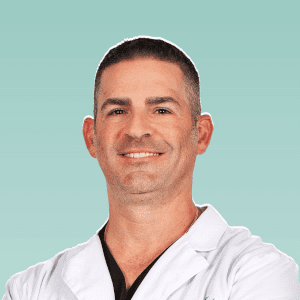
Author: Dr. Joseph Castellano
Dr. Joseph Castellano is a native Floridian who grew up in the Tampa Bay area. After medical school and residency, Dr. Castellano returned home and has opened a practice in Tampa, Florida focusing on breast augmentation, abdominoplasty, liposuction, facelift, and eyelid rejuvenation. He is a member of the American Board of Cosmetic Surgery, American College of Surgeons, and American Medical Association