Nicotine narrows blood vessels and cuts oxygen delivery to healing tissue, which is exactly why smoking before cosmetic surgery is one of the fastest ways to turn a routine procedure into a complicated one. This guide walks through the timeline, the tools, and the mistakes that trip up patients trying to quit before a tummy tuck, breast augmentation, or facelift in Tampa.
- Quitting smoking before cosmetic surgery requires 4-6 weeks nicotine-free for safe wound healing.
- Nicotine patches and vapes still count as nicotine and cotinine tests catch them.
- Skin necrosis and wound separation risk rises sharply in active smokers having body contouring or facelifts.
- Set a quit date the same day you book your consultation, not the week before surgery.
Why this matters
Nicotine is a vasoconstrictor. It shrinks the small blood vessels that carry oxygen and nutrients to skin and tissue, and cosmetic surgery depends on that blood supply to close incisions and rebuild contours. A tummy tuck lifts and repositions a large flap of abdominal skin with a blood supply that has already been surgically altered. Add nicotine to that equation and you are looking at a meaningfully higher chance of skin death at the incision edges, delayed healing, and wider scars.
The same logic applies to facelifts, breast augmentation, and body contouring procedures like liposuction. Any surgery that separates skin from its underlying blood supply, even temporarily, is more vulnerable in a smoker. Board-certified surgeons in Tampa and everywhere else treat nicotine cessation as a non-negotiable step in the pre-op process, not a suggestion.
What you'll need
- A firm quit date set the day you book your consultation, not the week before surgery
- A nicotine-free window of 4 to 6 weeks before surgery, and the same window after, since healing continues for weeks post-op
- A plan for cravings because nicotine gum substitutes still deliver nicotine and don't count; you need genuinely nicotine-free options
- Support in the form of a quitline, an app, or a person who checks in on you daily during the first two weeks
- Honesty with your surgical team, since cotinine testing can detect nicotine use that patients don't disclose
The steps
1. Set your quit date the moment surgery is scheduled
Don't wait until a few days before your procedure. Nicotine and its metabolite cotinine linger in blood and urine for days to weeks depending on how much and how often you smoked, and surgeons need confirmation that you're clear well before the operating room date. Booking your quit date the same day you schedule surgery gives you the full runway most practices require.
Common mistake: patients assume cutting back counts. It doesn't. Surgical risk from nicotine is dose-dependent but doesn't disappear until you're fully off it.
2. Cut every nicotine source, not just cigarettes
Vapes, nicotine pouches, nicotine gum, and patches all deliver the same vasoconstrictive compound that cigarettes do. If your goal is to arrive at surgery nicotine-free, switching from cigarettes to vaping doesn't solve the problem. It just changes the delivery method.
This is the single most common misunderstanding patients bring into a consult. Nicotine is the risk factor, not the smoke.
3. Talk to your surgical team about a cessation plan
Bring up your smoking history at your consultation, not after you're already scheduled. Surgeons who know your history in advance can build a realistic timeline around it, and can point you toward cessation resources that don't involve nicotine replacement. If you're weighing a procedure like a tummy tuck, review how to prepare for a tummy tuck surgery in Tampa for the full pre-op checklist, since smoking cessation is one piece of a larger preparation list that also covers labs, medication adjustments, and home recovery setup.
4. Handle withdrawal without substituting nicotine
Cravings peak in the first 72 hours and taper significantly by week two. Non-nicotine strategies that actually work: short walks after meals, chewing sugar-free gum, drinking water on a schedule, and identifying your top three trigger situations (coffee, driving, stress) so you can plan around them specifically instead of white-knuckling it.
Medications like varenicline or bupropion can help some patients quit, but they require a conversation with your prescribing physician about timing relative to surgery. Bring this up early, not the week of your procedure.
5. Extend the nicotine-free period through recovery
Quitting for surgery isn't a four-week sprint that ends the day you're wheeled into the operating room. Healing tissue stays vulnerable for weeks afterward, which is why most surgeons require patients to stay nicotine-free through recovery too, not just up to surgery day. Relapsing during recovery carries the same wound-healing risks as smoking beforehand.
6. Expect testing, and be upfront about it
Cotinine testing via blood or urine is standard practice at accredited surgical centers before major procedures. It's not a trust exercise. It's a safety check that protects you from a preventable complication. If a test comes back positive, expect your surgery date to move, not your surgeon to look the other way.
7. Rebuild your anesthesia readiness alongside your quit plan
Nicotine cessation intersects with anesthesia safety in ways patients often don't anticipate. Heart rate, blood pressure, and lung function all shift once nicotine is out of your system, generally for the better, but your anesthesia team needs accurate information about your quit timeline. Read how to prepare for anesthesia before cosmetic surgery in Tampa for what else goes into that conversation.
Ready to plan your procedure timeline?
Talk through your quit-smoking timeline at a consultation in Tampa.
Troubleshooting
Problem: I slipped up two weeks before surgery.
Tell your surgical team immediately. A single slip is different from ongoing use, but concealing it risks a complication your surgeon can't plan around. Most practices would rather reschedule than operate on undisclosed nicotine use.
Problem: Nicotine patches aren't helping because they still contain nicotine.
That's expected. Patches are a smoking-reduction tool, not a pre-surgical cessation tool. Non-nicotine strategies (behavioral support, prescribed non-nicotine medication) are what your surgeon needs to see.
Problem: I'm more stressed without cigarettes and worried that's worse for healing.
Stress alone doesn't carry the vasoconstriction risk that nicotine does. Redirect stress management toward walking, sleep, and hydration rather than reaching for any nicotine product.
Problem: I vape instead of smoke, does the same rule apply?
Yes. Vapes still deliver nicotine, and nicotine is the mechanism behind delayed healing and tissue risk, regardless of whether it's inhaled as smoke or vapor.
Problem: I don't know how long I actually need to be nicotine-free.
Ask directly at your consultation. Timelines can vary by procedure type and surgeon, and getting a specific number in writing removes the guesswork.
Tools and resources
- A quit-smoking hotline or app with daily check-ins
- A calendar reminder set for your quit date the day you schedule surgery
- What to ask at a cosmetic surgery consultation in Tampa for a full list of questions to bring, including ones about your quit timeline
- How to prepare for body contouring surgery in Tampa if your procedure involves liposuction or skin tightening alongside the smoking cessation window
- A support person who can track your progress and hold you accountable through the first two weeks
“Nicotine is the risk factor, not the smoke. Vapes and patches carry the same vasoconstriction risk as cigarettes.”
What to do next
Book your consultation before you set your quit date, not after. A surgeon who knows your smoking history from the start can build your entire surgical timeline around a realistic cessation window instead of scrambling to adjust it later.
FAQ
How long before cosmetic surgery do I need to quit smoking?
Most surgeons require 4 to 6 weeks of complete nicotine cessation before cosmetic surgery in 2026, and the same window afterward through recovery. Ask your surgical team for the exact number tied to your specific procedure.
Does vaping count as smoking before cosmetic surgery?
Yes. Vaping delivers nicotine, and nicotine is the vasoconstrictor responsible for delayed healing and tissue risk, regardless of whether it’s inhaled as smoke or vapor.
Can surgeons tell if I’ve been smoking before surgery?
Yes, through cotinine testing via blood or urine, which is standard practice at accredited surgical centers before major procedures. Nicotine and its metabolites remain detectable for days to weeks depending on use.
Do nicotine patches or gum count against the quit requirement?
Yes. Nicotine replacement products still deliver nicotine into your bloodstream, so they carry the same wound-healing risk as cigarettes and don’t satisfy a pre-surgical cessation requirement.
What happens if I smoke right before a tummy tuck?
Smoking before a tummy tuck significantly raises the risk of skin necrosis, wound separation, and delayed healing because nicotine restricts blood flow to the surgically repositioned abdominal skin flap. Many surgeons will postpone surgery if a pre-op nicotine test comes back positive.
Is it worse to smoke before or after cosmetic surgery?
Both carry serious risk, since healing tissue stays vulnerable to reduced blood flow for weeks after the procedure, not just in the lead-up. Surgeons generally require nicotine-free periods on both sides of surgery for this reason.
What’s the best way to quit smoking before surgery?
Setting a firm quit date the day you schedule surgery, cutting all nicotine sources not just cigarettes, and using non-nicotine support like behavioral coaching or prescribed non-nicotine medication works best. Nicotine replacement products don’t satisfy the requirement since they still contain nicotine.
Can I have cosmetic surgery if I’ve smoked for years?
Long-term smoking history doesn’t disqualify you, but it does mean your surgeon will want a documented nicotine-free window and possibly additional pre-op screening before clearing you for surgery. Discuss your full history honestly at your consultation.
One last thing
The part patients underestimate most is that quitting doesn't end on surgery day. The healing window afterward is just as vulnerable to nicotine as the weeks before, which is why the real commitment is closer to two to three months total in 2026, not four weeks.
Related guides
- How to prepare for a tummy tuck surgery in Tampa
- How to prepare for anesthesia before cosmetic surgery in Tampa
- How to prepare for body contouring surgery in Tampa
- What to ask at a cosmetic surgery consultation in Tampa
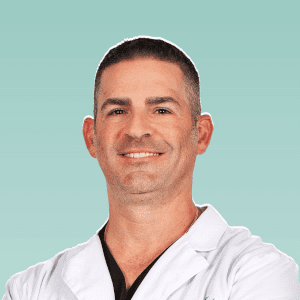
Author: Dr. Joseph Castellano
Dr. Joseph Castellano is a native Floridian who grew up in the Tampa Bay area. After medical school and residency, Dr. Castellano returned home and has opened a practice in Tampa, Florida focusing on breast augmentation, abdominoplasty, liposuction, facelift, and eyelid rejuvenation. He is a member of the American Board of Cosmetic Surgery, American College of Surgeons, and American Medical Association