Choosing between microneedling and laser resurfacing in Tampa comes down to three things: how deep your skin concern sits, how much downtime you can absorb, and your skin tone. This guide walks through the decision step by step so you land on the right treatment instead of guessing.
TL;DR
For microneedling vs laser resurfacing in Tampa, the short answer: microneedling wins for texture, mild scarring, and darker skin tones with minimal downtime (2-3 days), while laser resurfacing wins for deep sun damage, fine lines, and stubborn pigment but costs more recovery time (5-14 days depending on the laser). Castellano Cosmetic Surgery Center's laser skin resurfacing guide breaks down which laser fits which concern. If you're unsure which category your skin issue falls into, that's the first thing to sort out below.
Why this matters
Both treatments claim to resurface skin, and marketing blurs the line between them constantly. They work through completely different mechanisms. Microneedling creates thousands of micro-punctures with fine needles to trigger your own collagen response. Laser resurfacing uses light energy to vaporize or heat skin layers, either ablatively (removing tissue) or non-ablatively (heating without removing).
That mechanical difference is why one treatment might fix your problem in three sessions while the other solves it in a single pass. Picking wrong wastes money and, with the wrong laser on the wrong skin tone, can cause pigment problems that take months to fade. Tampa's sun exposure year-round also means more patients walk in with UV damage than in northern climates, which shifts which option makes sense more often toward laser for surface pigment.
What you'll need
- A clear description of your main concern: texture, acne scars, fine lines, sun spots, or skin laxity
- Knowledge of your Fitzpatrick skin type (I-VI), since darker skin tones carry higher risk with aggressive ablative lasers
- An honest downtime budget: can you take a week off from being seen in public, or do you need to be presentable within 48 hours
- A consultation with a board-certified provider who can assess your skin in person rather than from photos
- A sense of your budget, since laser resurfacing packages typically run higher per session than microneedling packages
The steps
Step 1: Identify what's actually bothering you
Name the specific concern before you name a treatment. "My skin looks dull and uneven" points toward microneedling or a lighter laser. "I have brown spots and crepey skin from 20 years in the Florida sun" points toward resurfacing. Vague goals lead to the wrong pick almost every time.
Common mistake: patients ask for "whichever is more advanced" instead of matching the tool to the problem. Newer isn't automatically better for your specific concern.
Step 2: Match the depth of your concern to the depth of the treatment
Microneedling reaches the papillary and upper reticular dermis, roughly 0.5-2.5mm depending on the device settings. It's built for surface-level texture, mild acne scarring, and enlarged pores. Laser resurfacing, particularly ablative CO2 or erbium lasers, can address deeper etched scars and more significant sun damage in fewer total sessions.
If your acne scars are shallow and rolling, RF microneedling often gets you there in 3-4 sessions spaced a month apart. If scars are deep and boxcar-shaped, a single ablative laser session may outperform six months of microneedling.
Step 3: Check your Fitzpatrick skin type against laser risk
Ablative lasers carry a real risk of post-inflammatory hyperpigmentation (PIH) in Fitzpatrick IV-VI skin. Microneedling carries far less of that risk because it doesn't rely on selective heat absorption by melanin. This single factor eliminates laser resurfacing as the first-choice option for a meaningful share of Tampa's patient population.
Common mistake: assuming all lasers carry the same risk. Non-ablative and fractional lasers are gentler on darker skin than fully ablative CO2, but the risk still runs higher than microneedling across the board.
Step 4: Set realistic downtime expectations
Microneedling downtime runs 2-3 days of redness, similar to a mild sunburn. Ablative laser resurfacing can mean 7-14 days of peeling, oozing, and social downtime; non-ablative fractional lasers land closer to 3-5 days. If you have a wedding, a work event, or kids to run around after in the next week, that timeline decides your treatment before anything else does.
Step 5: Count total sessions and total cost, not per-visit cost
A single microneedling session in 2026 typically costs less than a single laser resurfacing session, but microneedling for meaningful results usually means 3-6 sessions. Laser resurfacing, especially ablative, can deliver visible results in one or two sessions. Add up the full course before comparing sticker price. A deeper breakdown of pricing and downtime lives in Castellano Cosmetic Surgery Center's laser skin resurfacing cost breakdown.
Step 6: Book a consult before committing to either
Photos and self-assessment only get you so far. A board-certified provider examines skin thickness, pore size, scar depth, and sun damage in person and can tell you within minutes which category of treatment fits. Castellano Cosmetic Surgery Center's team, led by Dr. Joseph Castellano and Dr. Mindi Giglio, evaluates skin concerns this way before recommending microneedling, laser resurfacing, or a combination approach. Understanding what's driving visible facial aging also helps you walk into that consult with the right questions.
Step 7: Consider combining or sequencing treatments
Some patients get more from a layered approach: microneedling for texture and pores, plus a non-ablative laser pass for pigment, spaced weeks apart. Others need a collagen-stimulating option like Sculptra alongside surface treatments if volume loss is part of the aging picture, a distinction covered in the Sculptra face guide. Skin tightening devices like Profound are a separate category worth ruling in or out if laxity, not texture or pigment, is the real driver — see the Profound skin tightening overview.
Troubleshooting
Problem: You picked microneedling but see no change after two sessions.
Fix: Confirm needle depth and RF settings match your concern's depth — under-treatment is common with at-home or spa-grade devices versus medical-grade equipment. A provider-grade device with proper needle depth typically shows visible change by session 3.
Problem: You had laser resurfacing and now have dark patches.
Fix: This is PIH, most common in Fitzpatrick IV-VI. It usually fades in 2-6 months with strict sun protection and a hydroquinone or tranexamic acid regimen. See a provider promptly rather than waiting it out unmonitored.
Problem: Downtime ran longer than you expected.
Fix: Ablative laser downtime varies by depth setting. If redness or peeling persists past 14 days, that's outside normal range and needs a follow-up visit, not just patience.
Problem: You're not sure if your scarring is deep enough for laser.
Fix: Boxcar and ice-pick scars generally respond better to laser or combination treatment. Rolling scars respond well to microneedling alone. A hands-on consult settles this faster than any online quiz.
Problem: Melasma got worse after treatment.
Fix: Heat-based treatments, including some lasers, can aggravate melasma. Microneedling is generally the safer starting point for melasma-prone skin, paired with strict SPF.
Tools and resources
- Laser skin resurfacing in Tampa: treatments, cost, and downtime
- Signs your face is aging and what cosmetic surgery can fix
- Profound skin tightening in Tampa
- A consultation with a board-certified provider before booking either treatment package
What to do next
If your consult reveals that laxity, not texture or pigment, is the real issue, laser and microneedling both fall short — that's a facelift conversation. Castellano Cosmetic Surgery Center's facelift guide covers what that consult-to-recovery path looks like in 2026.
FAQ
Is microneedling better than laser resurfacing for acne scars?
For shallow, rolling acne scars, microneedling (especially RF microneedling) performs well over 3-4 sessions. For deep boxcar or ice-pick scars, laser resurfacing often gets better results faster.
Is laser resurfacing safe for darker skin tones?
Ablative laser resurfacing carries higher risk of post-inflammatory hyperpigmentation in Fitzpatrick IV-VI skin. Microneedling generally carries lower pigment risk and is the safer first option for darker skin.
How much downtime does microneedling require compared to laser?
Microneedling typically needs 2-3 days of redness. Laser resurfacing ranges from 3-5 days for non-ablative fractional lasers to 7-14 days for fully ablative CO2 treatments.
How many microneedling sessions does it take to see results?
Most patients need 3-6 sessions spaced 4-6 weeks apart to see meaningful texture and pore improvement.
Can you combine microneedling and laser resurfacing?
Yes. A common sequence pairs microneedling for texture with a non-ablative laser pass for pigment, spaced weeks apart, decided during a consult.
Does laser resurfacing help with fine lines around the mouth and eyes?
Ablative and fractional lasers are effective for fine lines caused by sun damage and collagen loss, often outperforming microneedling for this specific concern.
What does microneedling cost versus laser resurfacing in Tampa in 2026?
Per-session, microneedling generally costs less than laser resurfacing, but microneedling requires more total sessions. Total cost across a full course can end up comparable — get exact 2026 pricing during a consult.
Do I need a consultation before choosing between the two?
Yes. Skin thickness, tone, and scar depth are hard to assess accurately from photos alone, and a board-certified provider's in-person evaluation determines which treatment fits your skin.
One last thing
The biggest misconception patients bring into a Tampa consult isn't about the treatments — it's about timing. Both microneedling and ablative laser resurfacing increase sun sensitivity for weeks afterward, and Tampa's UV index stays high most of the year. Scheduling either treatment without a strict post-care sun protection plan can undo months of collagen-building work regardless of which option you chose.
Related guides
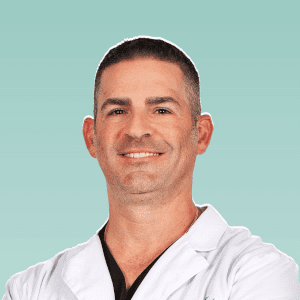
Author: Dr. Joseph Castellano
Dr. Joseph Castellano is a native Floridian who grew up in the Tampa Bay area. After medical school and residency, Dr. Castellano returned home and has opened a practice in Tampa, Florida focusing on breast augmentation, abdominoplasty, liposuction, facelift, and eyelid rejuvenation. He is a member of the American Board of Cosmetic Surgery, American College of Surgeons, and American Medical Association