If you're researching a facelift in Tampa, this guide walks you through every phase—consultation, surgery day, and the full recovery arc—so you arrive at your appointment knowing exactly what to ask and what to expect.
TL;DR: A facelift in Tampa is a surgical procedure that repositions facial tissues and removes excess skin to reduce jowling, deep folds, and neck laxity. Most patients at practices like Castellano Cosmetic Surgery Center are 45–70 years old and in good general health. Surgery runs 3–5 hours under general anesthesia; visible swelling resolves in 3–4 weeks, with final results visible by 6 months. If you are a non-smoker with realistic expectations and stable weight, you are likely a strong candidate for a facelift in Tampa in 2026.
Why This Matters in 2026
Florida's year-round sun accelerates skin laxity faster than in northern climates—dermatologists consistently cite UV exposure as the leading environmental driver of facial aging. Tampa patients often present with jowling and neck looseness 5–8 years earlier than the national average, which means the window for optimal surgical results is earlier and the planning conversation should start sooner. Facelift technique has also evolved substantially: the deep-plane approach, which repositions the SMAS layer rather than just pulling skin, now dominates board-certified practices because it delivers more natural, longer-lasting outcomes than earlier skin-only techniques.
Who This Guide Is For
This guide is written for adults—typically in their mid-40s to late 60s—who have noticed jowling along the jawline, deepening nasolabial folds, or loose skin under the chin that neither skincare nor non-surgical treatments have corrected. You have done enough research to know you want surgery, not another filler appointment, and you want a clear picture of the process before booking a consultation at a Tampa practice like Castellano Cosmetic Surgery Center.
What to Look for in a Facelift Surgeon in Tampa
Board Certification and Surgical Training
Only surgeons certified by the American Board of Plastic Surgery (ABPS) or the American Board of Facial Plastic and Reconstructive Surgery (ABFPRS) have completed the residency training and written examinations specific to facial anatomy. In Florida, any licensed physician can legally perform a facelift, so verifying board certification is the single most important filter. Ask for the surgeon's board certificate number and verify it at the certifying board's public registry.
Technique Specificity
Ask whether the surgeon performs a SMAS-based or deep-plane facelift, not just a skin-tightening procedure. The SMAS technique repositions the musculoaponeurotic layer, producing results that last 7–12 years on average versus 3–5 years for a skin-only lift. A surgeon who cannot explain their technique in plain terms is a red flag.
Volume of Facelift Cases Per Year
Surgeons who perform facelifts as a primary focus—not as an occasional add-on—tend to show more consistent before-and-after galleries. Ask directly: "How many facelifts do you perform annually?" A high-volume facial plastic surgeon typically completes 50 or more per year.
Accredited Surgical Facility
Florida requires outpatient surgery centers to be licensed by AHCA (Agency for Health Care Administration). Confirm the procedure will be performed in an AHCA-licensed or AAAHC/Joint Commission-accredited facility—not an office procedure room without oversight.
Honest Candidacy Assessment
A strong surgeon will tell you if you are not a candidate. Red flags that disqualify or delay surgery include active smoking, uncontrolled hypertension, BMI over 35, unrealistic expectations, or skin quality that is too damaged to hold a result. Any surgeon who clears everyone at the consult is not doing a real assessment.
Transparent Pricing
Facelift cost in Tampa in 2026 typically ranges from $8,000 to $18,000 all-in, depending on technique, anesthesia type, and facility fees. Get an itemized quote covering surgeon fee, anesthesiologist fee, facility fee, and any post-op garments or medications. Vague "starting at" pricing without line items makes budgeting impossible.
The Consultation: What Actually Happens
A proper facelift consultation runs 45–90 minutes. Expect the surgeon to:
- Review your full medical history, current medications (especially blood thinners like aspirin, ibuprofen, warfarin), and smoking status
- Examine facial skin quality, bone structure, fat distribution, and degree of ptosis (tissue descent)
- Photograph your face under standardized lighting from multiple angles
- Discuss technique options—mini facelift, full SMAS facelift, deep-plane, or combined neck lift
- Show before-and-after images of patients with anatomy similar to yours, not a curated highlight reel
- Provide a written quote with all fees itemized
Bring a written list of questions. The two most important: "What specific technique will you use on me and why?" and "What does my recovery look like week by week?"
Top Considerations: Facelift Procedure Breakdown
The safe pick — full SMAS facelift with neck lift
Best for patients with moderate-to-severe jowling, deep nasolabial folds, and visible neck banding. Surgery runs 4–5 hours. Addresses the structural layer (SMAS), not just surface skin. Results last 8–12 years in most patients. Verdict: Buy — this is the standard of care for patients with meaningful facial laxity.
The targeted option — mini facelift
Best for patients 40–55 with early jowling and minimal neck involvement. Surgery runs 2–3 hours, typically under local anesthesia with sedation. Shorter recovery—most patients are presentable in 10–14 days. Results last 4–6 years. Verdict: Consider if your candidacy assessment shows early-stage laxity only.
The add-on — brow lift or upper blepharoplasty
A facelift addresses the mid and lower face; it does not lift the brow or correct eyelid hooding. If you have both jowling and heavy upper lids, a combined approach in the same surgical session saves recovery time. Each add-on adds 45–90 minutes to operative time. Verdict: Consider when multiple areas need correction simultaneously.
Skip — non-surgical alternatives presented as facelift substitutes
Ultrasound (Ultherapy) and radiofrequency (Morpheus8) produce measurable tightening in patients with mild laxity, but they cannot replicate the structural repositioning of surgery. Patients who have already tried these and are disappointed are the most common facelift consultation group in 2026. Verdict: Skip as a replacement; they work as maintenance after surgery.
Recovery Timeline: Week by Week
Days 1–3: Swelling and bruising peak. Drains (if used) are in place. Head elevation is mandatory—sleep at 30–45 degrees. Pain is typically managed with prescription medication; most patients rate it 4–6 out of 10.
Days 4–7: Drains removed (if present). Swelling begins to shift downward toward the neck. Light walking permitted. No bending, lifting, or straining.
Week 2: Most patients feel functional and are off prescription pain medication. Bruising fades to yellow-green. Sutures removed around day 7–10. You are not presentable for public events yet.
Weeks 3–4: Visible bruising is gone for most patients. Residual swelling remains, especially in the cheeks and lower face. Most patients return to desk work by week 3.
Weeks 6–8: Cleared for exercise in most cases. Incision lines are still pink and firm—this is normal scar maturation, not a complication.
Months 3–6: The result becomes fully visible as swelling resolves completely. Final scar appearance is assessed at the 6-month follow-up.
What to Avoid
- Smoking within 6 weeks of surgery. Nicotine constricts blood vessels and directly causes skin necrosis along incision lines. This is not a preference—it is a medical contraindication. Some surgeons require a negative cotinine test.
- Choosing a surgeon based on price alone. The lowest quote in Tampa often means an unaccredited facility, a less experienced surgeon, or a technique that won't hold results. A redo facelift costs more and carries higher risk than the primary procedure.
- Booking surgery before your weight is stable. Significant weight fluctuation after a facelift degrades the result. Surgeons recommend your weight be stable for at least 6 months before scheduling.
Facelift Tampa: Comparison Overview
| Factor | Mini Facelift | Full SMAS Facelift | Deep-Plane Facelift |
|---|---|---|---|
| Ideal age range | 40–55 | 50–68 | 52–70 |
| Operative time | 2–3 hours | 4–5 hours | 4–6 hours |
| Anesthesia | Local + sedation | General | General |
| Results duration | 4–6 years | 8–12 years | 10–15 years |
| Neck addressed? | Minimal | Yes | Yes |
| Return to work | 10–14 days | 14–21 days | 14–21 days |
| Tampa cost range (2026) | $5,000–$9,000 | $10,000–$18,000 | $12,000–$20,000 |
FAQ
What is the best age for a facelift in Tampa?
Most facelift patients in Tampa are between 45 and 68. The best age is when facial laxity has progressed enough that surgery produces a meaningful improvement—typically when jowling, deep folds, and neck looseness are all present simultaneously.
How long does a facelift last?
A SMAS or deep-plane facelift lasts 8–12 years on average. A mini facelift lasts 4–6 years. Longevity depends on skin quality, sun exposure habits, and whether you maintain a stable weight after surgery.
Is a facelift in Tampa covered by insurance?
No. Facelift surgery is an elective cosmetic procedure and is not covered by health insurance in 2026. Financing through CareCredit or Alphaeon Credit is available at most Tampa practices including Castellano Cosmetic Surgery Center.
How much does a facelift cost in Tampa in 2026?
All-in costs range from $8,000 for a mini facelift to $18,000–$20,000 for a deep-plane facelift with neck lift. The total includes surgeon fee, anesthesiologist fee, and facility fee. Always request an itemized quote.
What is the difference between a facelift and a neck lift?
A facelift addresses the mid and lower face—jowls and nasolabial folds. A neck lift specifically targets loose platysma muscle banding and excess skin under the chin. Many surgeons in Tampa perform both simultaneously because the anatomical zones are continuous.
How painful is facelift recovery?
Most patients rate pain at 4–6 out of 10 in the first 3 days, controlled with prescription medication. By day 5–7, most patients transition to over-the-counter pain relief. Tightness and numbness persist for several weeks and are not painful.
Can I combine a facelift with other procedures in Tampa?
Yes. Facelifts are commonly combined with blepharoplasty (eyelid surgery), brow lift, or fat grafting in the same surgical session. Adding procedures extends operative time but consolidates recovery. Discuss combined options explicitly at your consultation.
How do I choose the right facelift surgeon in Tampa?
Verify ABPS or ABFPRS board certification, confirm the facility is AHCA-licensed, review before-and-after photos of patients with anatomy similar to yours, and ask the surgeon to specify the exact technique they plan to use on you.
One Last Thing
The single most common reason facelift results look "done" or unnatural in 2026 is over-tightening of skin without addressing the underlying SMAS layer. When a surgeon pulls only the skin, it produces the telltale wind-tunnel appearance. A SMAS or deep-plane approach repositions tissue rather than just stretching the surface—the tension is distributed through a deeper structural layer, leaving the skin itself under minimal stress. Ask your surgeon specifically whether they will address the SMAS layer. If they cannot answer that question clearly, get a second opinion.
Related Guides
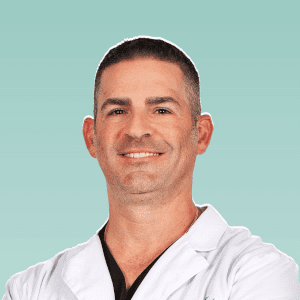
Author: Dr. Joseph Castellano
Dr. Joseph Castellano is a native Floridian who grew up in the Tampa Bay area. After medical school and residency, Dr. Castellano returned home and has opened a practice in Tampa, Florida focusing on breast augmentation, abdominoplasty, liposuction, facelift, and eyelid rejuvenation. He is a member of the American Board of Cosmetic Surgery, American College of Surgeons, and American Medical Association