Neck Lift
Along with the face, the neck is prone to sagging and wrinkling with age. Although there are treatments that can diminish surface wrinkles and age spots, the only way to really tighten up a sagging neck and jaw line is through a neck lift. Our Tampa cosmetic surgeons have the skills and experience needed to restore your neck to more youthful contours by addressing the sagging jowls and skin, which hide the natural lines of the jaw, chin and neck.
Pricing for a neck lift depends on your personalized treatment plan (technique, anesthesia, and whether procedures are combined). For current starting points, see our Pricing page. Request a consultation at our practice to meet with Dr. Castellano or Dr. Giglio and learn more about whether a neck lift may be right for you.
Our neck area is one of the first places that often start showing signs of aging. Even though we tend to overlook it, it’s easy to notice when loose skin or softness starts blurring the jawline. A neck lift will not change your looks but can help restore that definition in your neck and beneath the chin.
Castellano Cosmetic Surgery in Tampa specializes in a smooth natural transition between the face and neck with a neck lift. It’s not about ostentatious tightness, but a renewed, easy balance that feels effortlessly good.
Contact Us
We’re here when you’re ready to take the next step and find out more about all of your cosmetic options.
Cosmetic Surgery at a Price You Can Afford
We offer Neck Lift surgery starting at just $20,000. We are also a leader in cosmetic surgery financing and can help you fit the procedure you want into a payment you can afford!
Please call (813) 872-6093 or contact us to book your appointment today!
When Should I Get a Neck Lift?
The skin on the neck often ages even more quickly than facial skin, and can be one of the areas where aging is most noticeable. There are several indications that a neck lift may be the right option for you. If skin is hanging in folds under your jaw due to aging or rapid weight loss, a neck lift can remove the excess skin to reveal slimmer lines. Localized fat deposits and muscle slackness underneath the chin can also both be addressed through a neck lift. Those who are happiest with their results maintain realistic expectations about the procedure, and are in good physical and mental health overall.
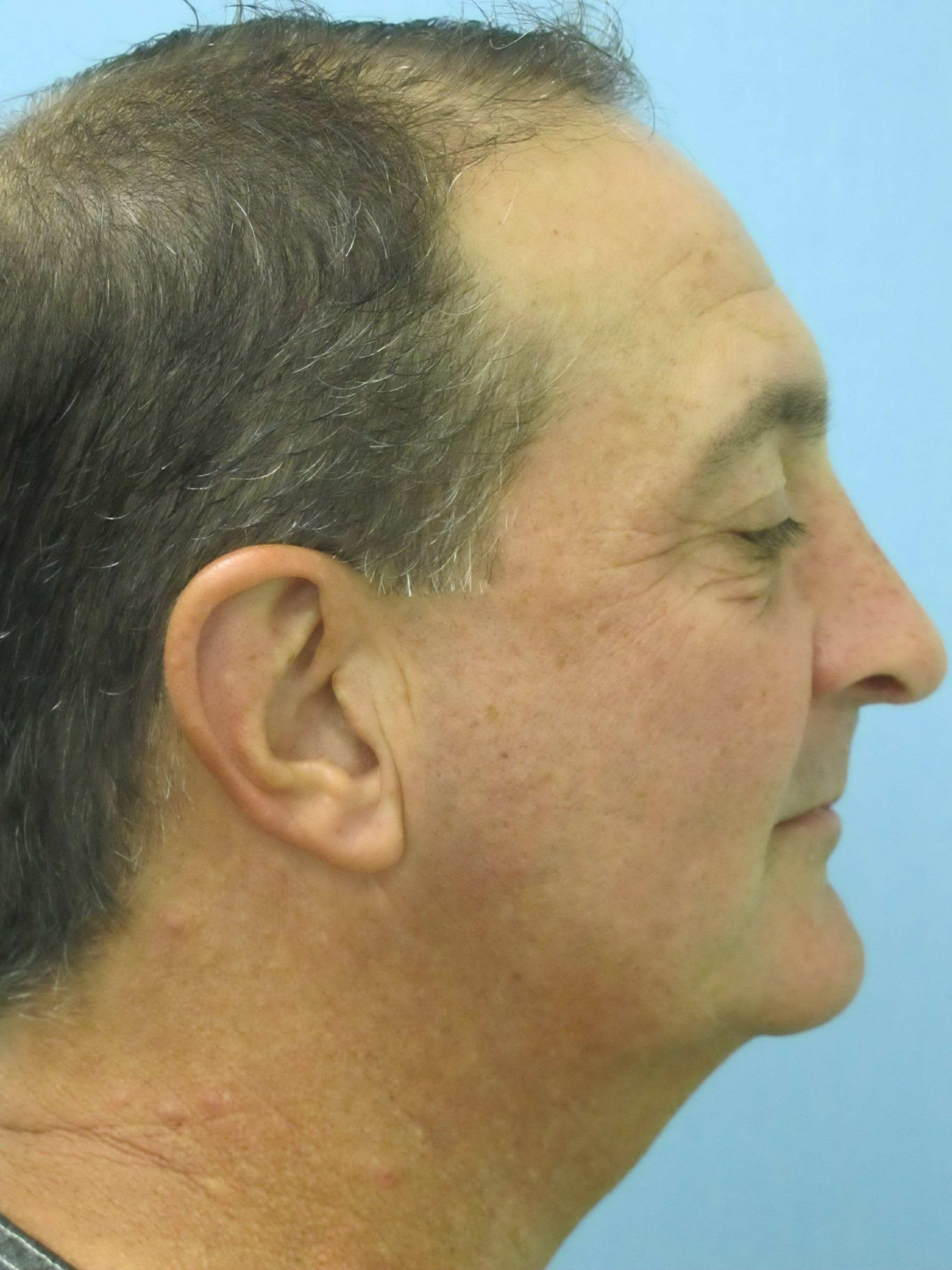
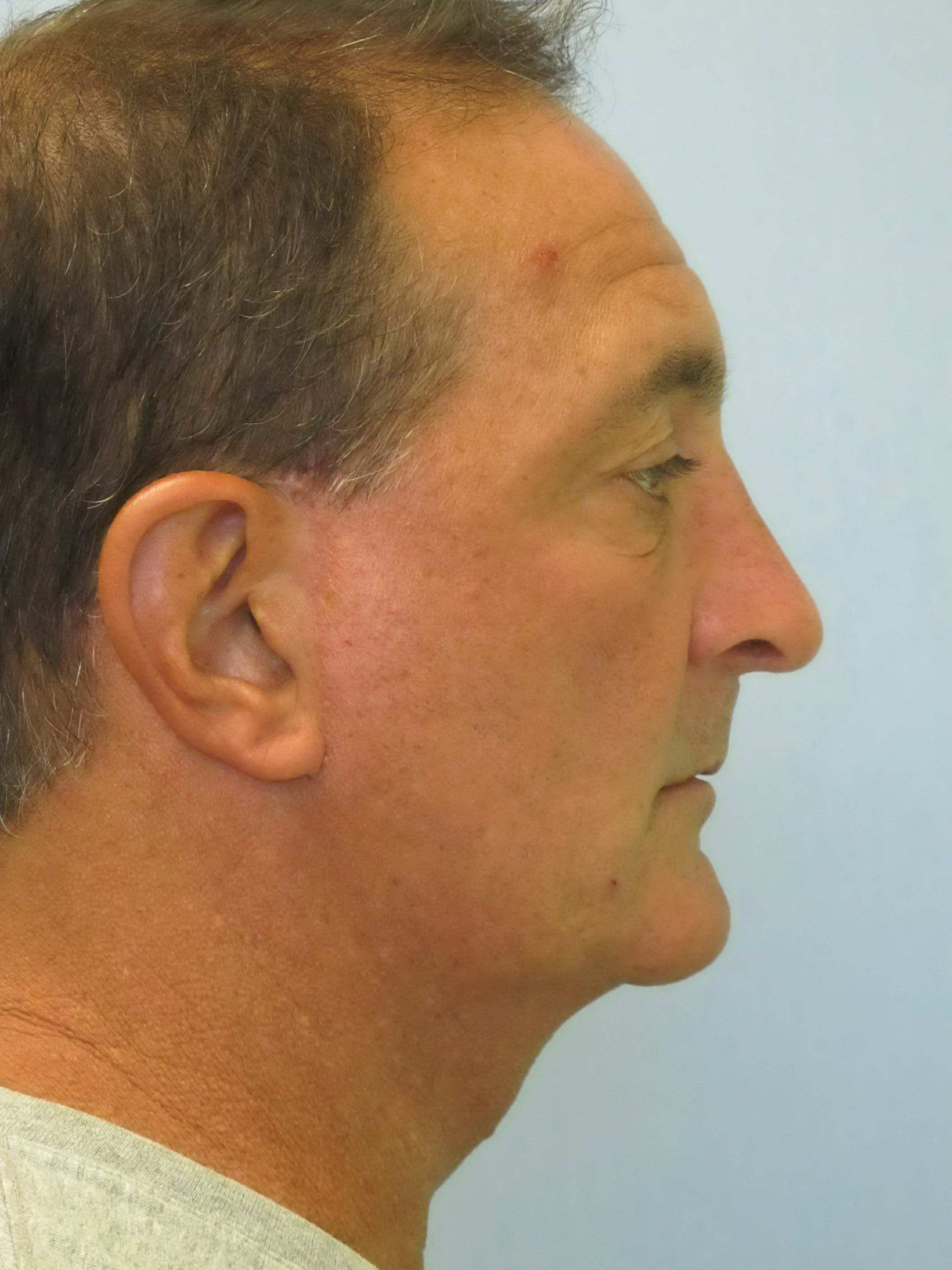
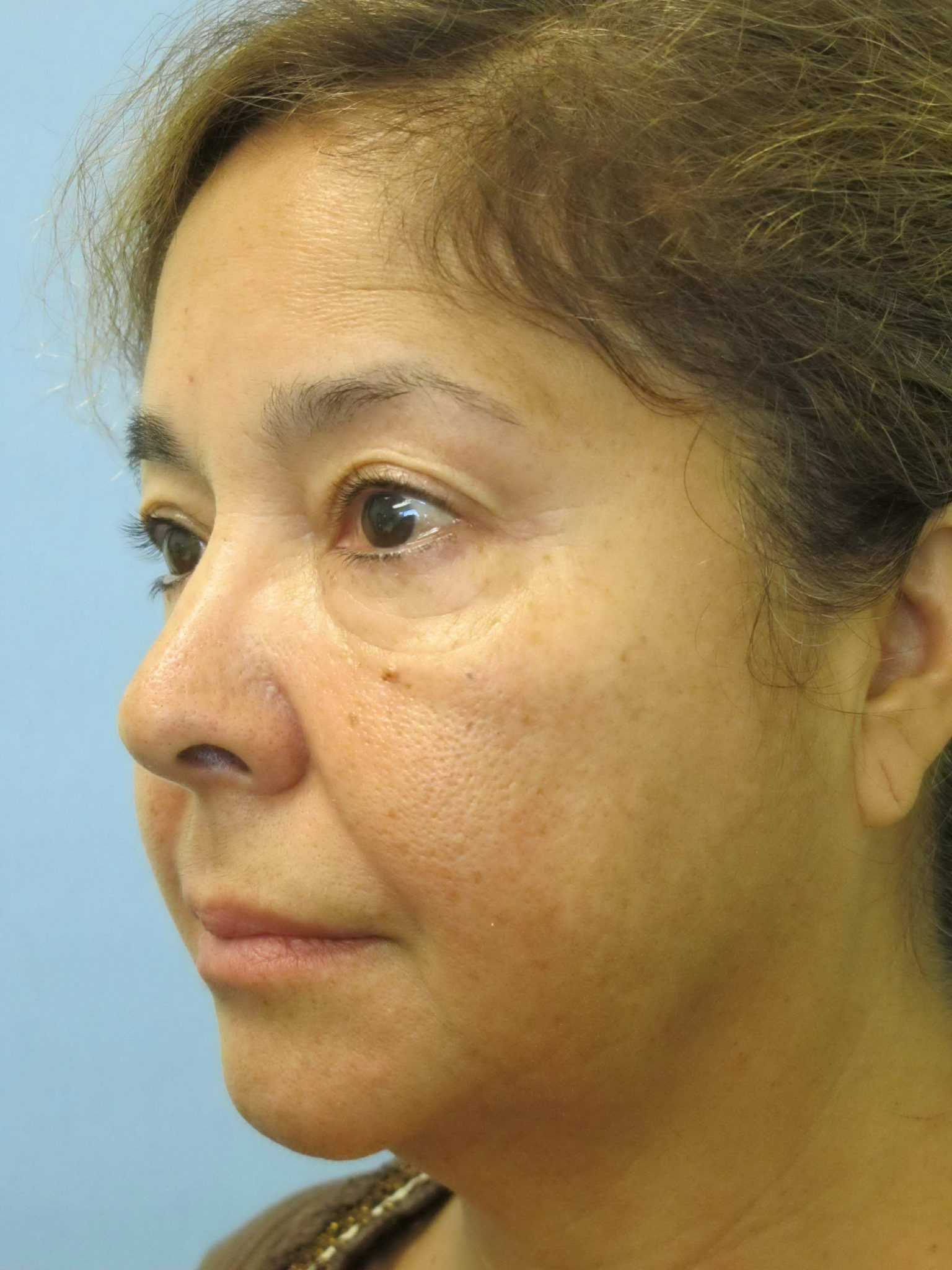
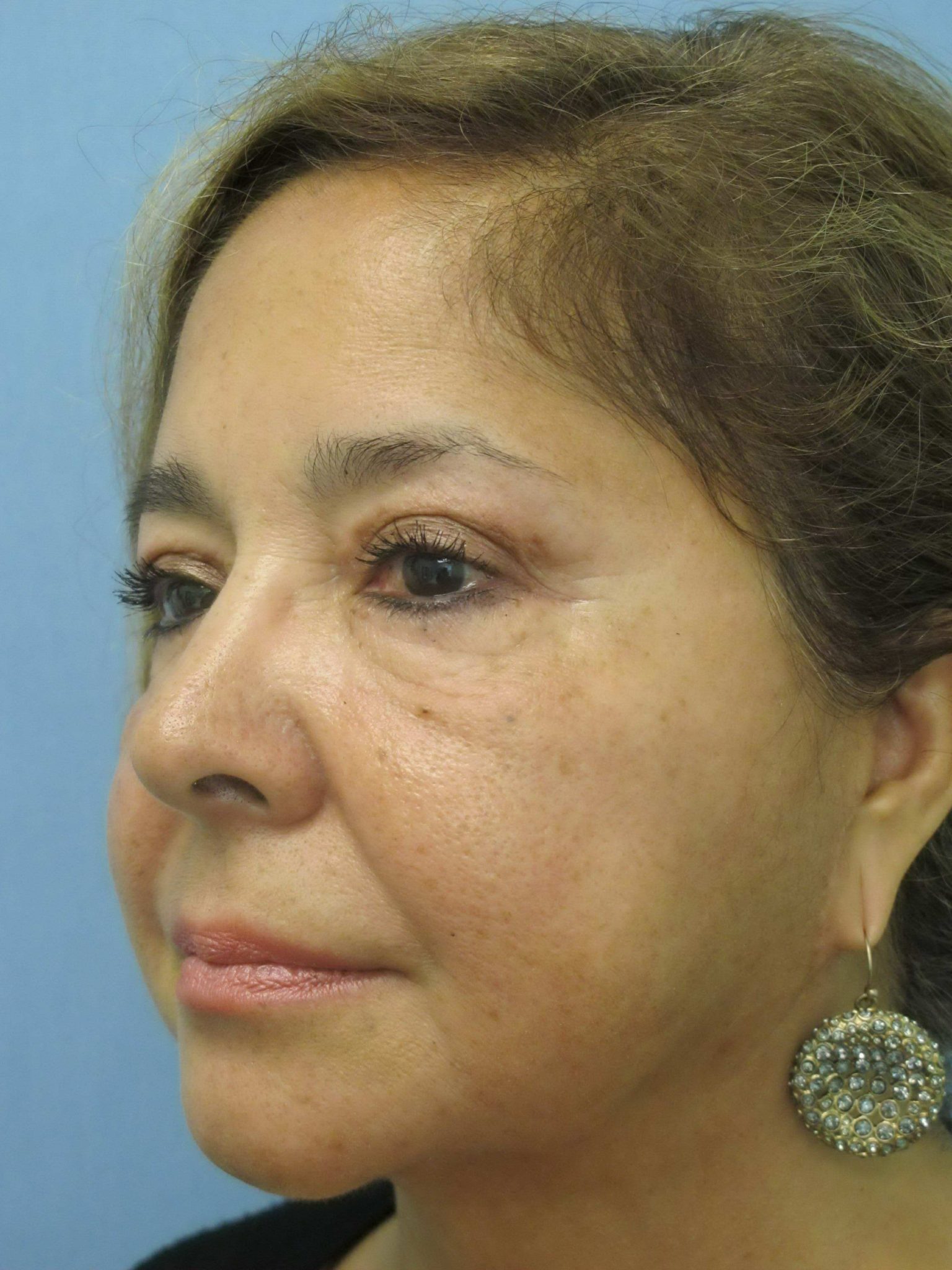
Our Before & Afters
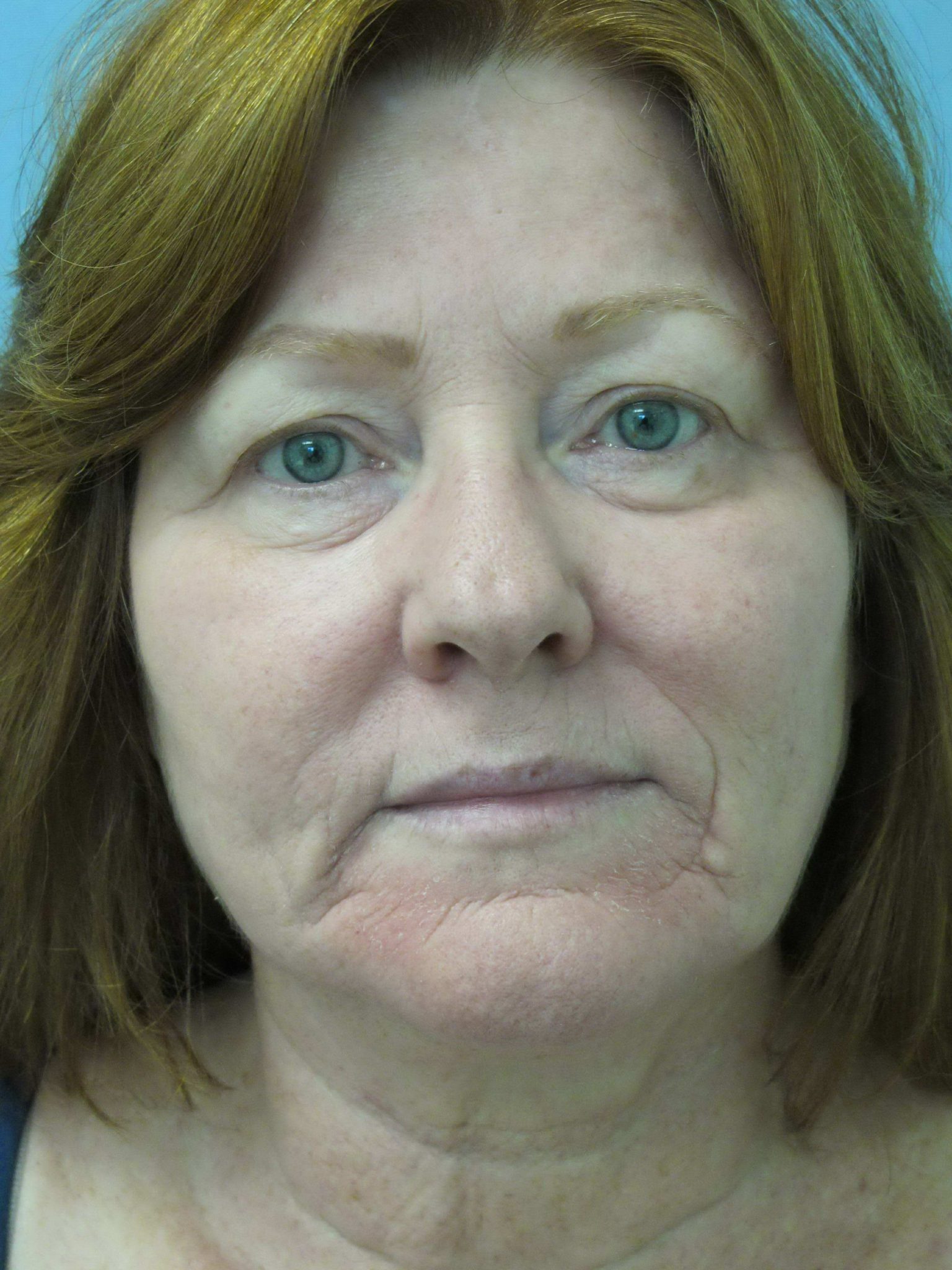
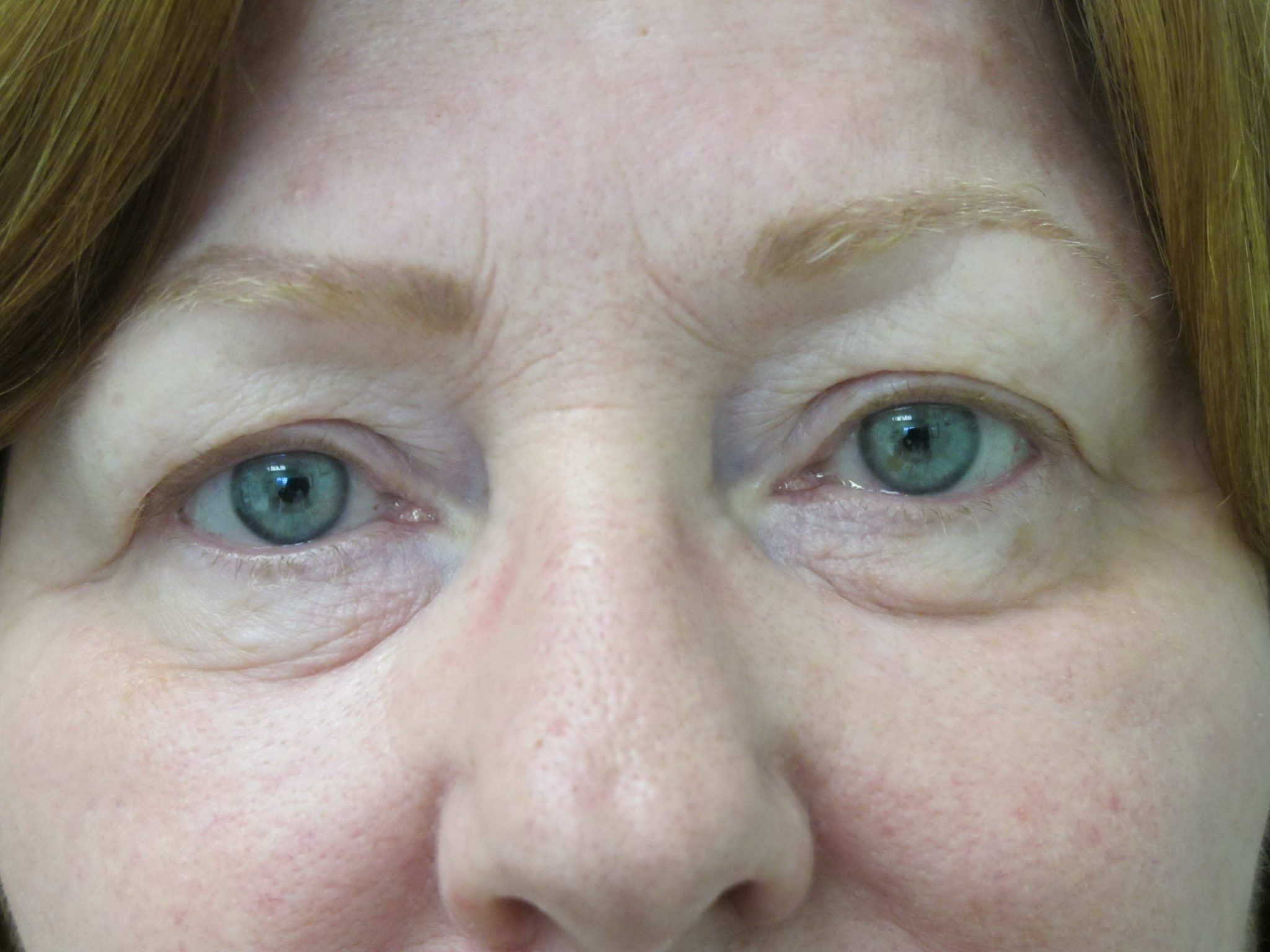
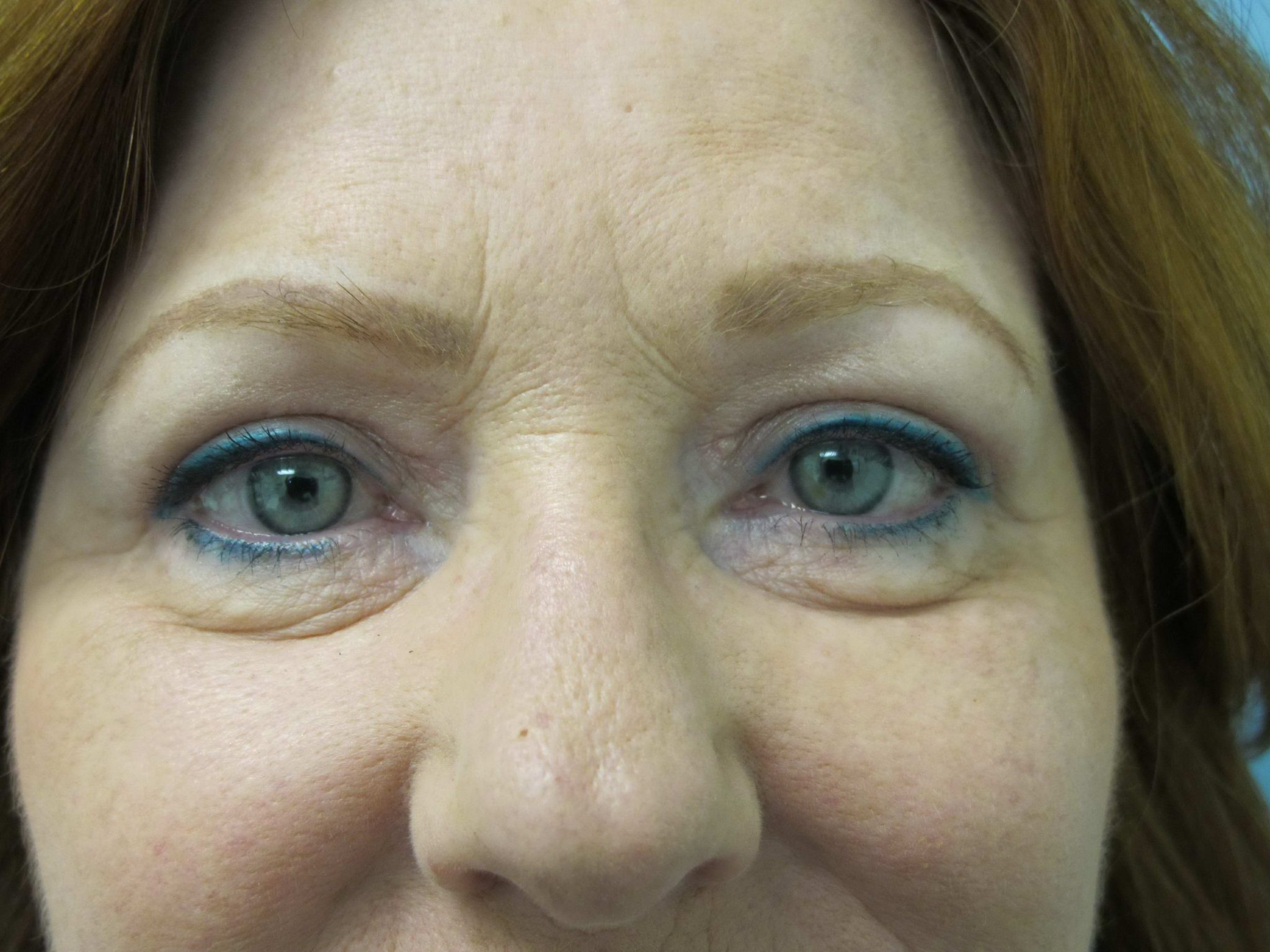
The gallery contains before and after pictures of actual patients. View all cases for a complete listing of all of our before and after photos of the patients treated.

Tampa's Leading
Cosmetic Surgeons
4,000+ Breast Augmentations
1,500+ Mommy Makeovers
14,000+ Patients Treated
…and Countless Lives Transformed

What to Expect
A neck lift by itself will take a few hours to perform, although this time may be extended if the surgery is combined with additional procedures such as a facelift. Weak and sagging neck muscles will be manipulated and tightened underneath the skin through the use of incisions, which are made under the chin and behind the ears. Your surgeon places the incisions in such a way that they will be hidden in the natural contours of the neck, and should not be noticeable after healing is completed.
Recovery and Results
After the procedure, you will likely feel and look swollen and sore. Bruising is another common after-effect of a neck lift. Some of our Tampa patients may experience temporary numbness or tingling, and your neck will probably feel tighter than usual. We require patients to wear a special compression bandage for at least the first week, which will help reduce swelling and minimize discomfort while offering protection to the area.
Light activities may be resumed within a couple weeks, although more vigorous exercise should wait for about a month. Although healing times vary, the final results of your neck lift should be visible in a month or two, once the swelling has dissipated completely and the healing process is largely completed.






Neck Lift FAQs
How much does a neck lift cost in Tampa?
The cost of a neck lift varies from patient to patient, depending on the surgical technique used, whether it’s combined with another procedure like a facelift or liposuction and the extent of correction needed. During your consultation with Dr. Castellano or Dr. Giglio, you’ll receive a personalized quote based on your goals. Visit our pricing page for general cost information.
Is a neck lift covered by insurance?
No, a neck lift is considered a cosmetic procedure and is not covered by insurance, since it isn’t performed to treat a medical condition. We do offer financing options to help make your procedure more affordable, however.
How painful is a neck lift?
Most of our Tampa neck lift patients describe post-surgical discomfort as tightness, pressure and mild soreness rather than sharp pain. This is typically well managed with prescribed medication in the first few days. Any discomfort typically improves significantly within the first week as swelling and bruising subside.
What's the difference between a neck lift and a facelift?
A neck lift focuses specifically on sagging skin, muscle banding and fat below the jawline and chin, while a facelift addresses laxity in the cheeks, jowls and midface. Many patients have concerns in both areas, which is why the two procedures are frequently performed together for a more balanced, natural-looking result.
Will a neck lift leave visible scars?
Dr. Castellano and Dr. Giglio strategically place incisions under the chin and behind or within the natural creases of the ears, where they’re well hidden. As they heal, these scars typically fade and become difficult to notice, especially once your hair and the natural contours of your neck and ears help conceal them.
What type of anesthesia is used for a neck lift?
Neck lift surgery is typically performed using general anesthesia or IV sedation, depending on the extent of the procedure and whether it’s combined with other surgeries. Dr. Castellano and Dr. Giglio will discuss the safest and most comfortable option for you during your consultation.
How long do neck lift results last?
Neck lift results are long-lasting, with many patients enjoying their results for a decade or more. While the procedure can’t stop the natural aging process entirely, it does turn back the clock, and maintaining a stable weight and healthy lifestyle can help prolong your results.
Is there a non-surgical alternative to a neck lift?
Non-surgical treatments like BOTOX, injectable fillers or skin-tightening treatments can improve mild neck laxity or fine lines, but they can’t remove excess skin or repair sagging muscle bands the way surgery can. For moderate to significant sagging, a surgical neck lift will provide more dramatic and longer-lasting improvement.
What is the best age to get a neck lift?
There’s no single ideal age for a neck lift. Most patients who benefit from a neck lift are in their 40s to 60s, once visible sagging, banding or excess skin has developed, but candidacy depends more on your skin quality and goals than your age. Dr. Castellano and Dr. Giglio will evaluate your neck and facial anatomy to determine if you’re a good candidate.
Can I smoke before or after a neck lift?
Smoking should be avoided for several weeks before and after surgery, as it restricts blood flow and can significantly slow healing or increase the risk of complications. If you’re a smoker, your surgeon will talk with you about a cessation plan as part of your pre-operative preparation.
With Other Procedures
Neck lifts are often performed in combination with other procedures. Facelifts and neck lifts are very complementary and may be done at the same time to achieve a dramatically younger-looking face and neck area. Often a brow lift or eyelid surgery can also be part of this makeover. Liposuction may be included as part of the neck lift process, assisting to remove fat deposits in order to provide more fine-tuned shaping of the neck area. In some cases, BOTOX® Cosmetic may be used to address wrinkles on the neck, although these injections may be administered separately on an outpatient basis.

Written By: Dr. Joseph Castellano
Dr. Joseph Castellano is a native Floridian who grew up in the Tampa Bay area. After medical school and residency, Dr. Castellano returned home and has opened a practice in Tampa, Florida focusing on breast augmentation, abdominoplasty, liposuction, facelift, and eyelid rejuvenation. He is a member of the American Board of Cosmetic Surgery, American College of Surgeons, and American Medical Association
More about Dr. Joseph Castellano | Dr. Joseph Castellano Reviews
Last Reviewed: September 3rd, 2026