If Ozempic or another GLP-1 medication helped you drop 40, 60, or 100+ pounds, the skin around your abdomen often did not keep up — and a tummy tuck is the procedure most Tampa patients turn to once their weight has leveled off.
- Tummy tuck after Ozempic weight loss in Tampa works best once your weight has been stable for 3-6 months.
- Fleur-de-lis tummy tuck fits patients with 50+ lbs lost and significant loose skin around the flanks — Buy.
- Standard Avelar tummy tuck suits moderate GLP-1 weight loss with intact skin elasticity — Consider.
- Combining tummy tuck with liposuction addresses stubborn fat pockets GLP-1 drugs rarely touch — Consider.
- Skipping diastasis recti repair on a post-Ozempic abdomen usually means a flatter-looking but still weak core.
Why this matters
GLP-1 drugs shrink fat cells, not skin. Skin that stretched over months or years of higher body weight does not snap back just because the number on the scale dropped, and that's exactly why body contouring after weight loss has become one of the more common consultations at Tampa cosmetic surgery practices in 2026.
Patients coming off Ozempic, Wegovy, or Zepbound typically describe the same thing: a flatter stomach that still hangs, a belly button that sits lower than before, and abdominal muscles that separated during the weight gain and never came back together on their own. A tummy tuck addresses all three — skin excess, muscle separation, and contour — in ways that diet, exercise, or the medication itself cannot.
Who this is for
This guide is for adults in Tampa who have lost significant weight through a GLP-1 medication, have been at a stable weight for at least a few months, and are dealing with loose or hanging abdominal skin that did not resolve with continued weight maintenance. It's not for patients who are still actively losing weight or who haven't discussed a maintenance plan with their prescribing physician — operating on a moving target produces unpredictable results.
What to look for in a tummy tuck after Ozempic weight loss
Weight stability, not just weight loss
Surgeons want to see your weight hold steady for a defined stretch before scheduling surgery, because operating during continued loss changes the skin envelope after the fact. A patient who loses another 15 pounds three months post-op often ends up with new loose skin the tummy tuck didn't account for.
Skin quality and elasticity
GLP-1 weight loss, especially when it happens over 6-12 months, tends to leave thinner, less elastic skin than the same weight loss achieved gradually over years. This changes which incision pattern and technique gives the flattest, most durable result — and it's the single biggest variable separating a standard tummy tuck candidate from a fleur-de-lis candidate.
Diastasis recti severity
Abdominal muscle separation is common after major weight fluctuation, pregnancy, or both. A tummy tuck that skips muscle repair leaves the core weak even when the skin looks tight, so ask specifically whether diastasis recti repair is included in the plan.
Fat distribution beyond the abdomen
GLP-1 medications reduce overall body fat but rarely sculpt flanks, bra rolls, or the lower back evenly. Many post-Ozempic patients need liposuction paired with the tuck to get a proportional result rather than a flat stomach next to untouched flanks.
Scar pattern realism
Massive weight loss patients sometimes need a longer, wraparound incision to remove the full skin excess. Expecting a short bikini-line scar when you've lost 80+ pounds sets up disappointment before surgery even happens.
Surgeon experience with post-weight-loss bodies
A post-GLP-1 abdomen behaves differently under the skin than a standard tummy tuck candidate's — thinner tissue, less blood supply in some areas, and skin that needs more tension to lie flat. Experience with massive weight loss patients specifically matters more here than general tummy tuck volume.
Top picks for post-Ozempic patients
The standard pick — Avelar Tummy Tuck
Hooked to moderate GLP-1 loss with skin that's still got some elasticity left. The Avelar tummy tuck technique preserves more of the abdominal blood supply than a traditional approach, which matters when tissue has already been stressed by rapid weight change. Best fit for patients who've lost under 50 pounds and kept it off for 6+ months. Consider.
The major weight loss pick — Fleur-de-Lis Tummy Tuck
Built for the patient who's lost 50, 80, or 100+ pounds and has excess skin wrapping around the sides, not just the front. The fleur-de-lis tummy tuck adds a vertical incision to the standard horizontal one, removing skin in both directions. It leaves a longer scar in exchange for a flatter result on bodies a standard tuck can't fully correct. Buy for patients with significant circumferential excess skin.
The combination pick — Tummy Tuck Plus Liposuction
GLP-1 drugs are good at shrinking fat cells overall but inconsistent about which pockets shrink first. Pairing tummy tuck and liposuction in one operation addresses flanks and the upper abdomen that the tuck alone won't reach. Adds recovery time but avoids a second surgery later. Consider if your surgeon confirms you're a safe candidate for combined procedures.
The extensive-loss pick — Post-Bariatric Body Lift
For patients who've lost more than 100 pounds and have excess skin extending past the abdomen into the back and outer thighs, a tummy tuck alone won't finish the job. A post-bariatric body lift treats the full trunk in a staged approach. Buy for patients whose skin excess extends well beyond the belly.
Find out which tummy tuck fits your weight loss
Get a Tampa consultation to match your skin and muscle changes to the right procedure.
What to avoid
- A tummy tuck scheduled before your weight is stable. Surgeons who skip this conversation are setting you up for a second surgery. Ask for a specific stable-weight window before you book.
- A surgeon who won't discuss scar length honestly. If you've lost significant weight, a short scar promise usually means leftover loose skin somewhere the surgeon didn't mention.
- Skipping the muscle repair conversation. A flat-looking result that skips diastasis recti repair can still leave you with core weakness and a bulge that returns under strain.
Verdict comparison
| Procedure | Best for | Scar length | Muscle repair | Verdict |
|---|---|---|---|---|
| Avelar Tummy Tuck | Under 50 lbs lost, elastic skin | Standard horizontal | Included | Consider |
| Fleur-de-Lis Tummy Tuck | 50-100+ lbs lost, circumferential excess | Horizontal + vertical | Included | Buy |
| Tummy Tuck + Liposuction | Flat stomach goal with stubborn flanks | Standard horizontal | Included | Consider |
| Post-Bariatric Body Lift | 100+ lbs lost, excess beyond abdomen | Extended, staged | Included | Buy |
“If you’ve lost weight on Ozempic but still have loose skin over your abs, a tummy tuck removes what diet and the medication can’t.”
FAQ
How long after Ozempic weight loss should you wait for a tummy tuck?
Most Tampa surgeons want to see your weight stable for 3-6 months before scheduling a tummy tuck after Ozempic weight loss. Operating during continued weight change risks new loose skin forming after the surgery.
Is a tummy tuck or a body lift better after major GLP-1 weight loss?
A tummy tuck treats the front of the abdomen; a body lift extends to the back and outer thighs for patients who’ve lost 100+ pounds. If your excess skin wraps around your sides and back, a body lift covers more ground than a standard tummy tuck.
Does insurance cover a tummy tuck after Ozempic weight loss?
Standard tummy tucks are considered cosmetic and are typically not covered by insurance, regardless of how the weight was lost. Financing options are usually the more realistic path for most patients.
Can you combine liposuction with a tummy tuck after weight loss?
Yes, many post-GLP-1 patients combine liposuction with a tummy tuck to address flank and upper abdominal fat the medication didn’t fully clear. Your surgeon determines whether combining procedures is safe based on your health history and the extent of the surgery.
What’s the difference between a mini tummy tuck and a full tummy tuck for weight loss patients?
A mini tummy tuck addresses skin below the belly button only and suits modest, localized excess. Most GLP-1 weight loss patients with skin laxity above and below the navel need a full tummy tuck to correct the entire abdominal area.
Will a tummy tuck fix diastasis recti after weight loss?
Yes, a tummy tuck typically includes muscle repair for diastasis recti as a standard part of the procedure. Skipping this step leaves the abdominal wall weak even if the skin looks flat.
How much excess skin does a tummy tuck remove after Ozempic weight loss?
The amount removed depends entirely on how much weight was lost and how the skin responded, which is why a Tampa consultation and physical exam matter more than a general number. Patients with 100+ pounds lost often need a fleur-de-lis approach rather than a standard tuck.
Is a BMI requirement still relevant for a tummy tuck after Ozempic?
Yes, most surgeons apply a BMI ceiling for tummy tuck surgery regardless of how the weight was lost, usually because higher BMI raises complication risk. Reaching a stable, lower BMI on a GLP-1 medication before surgery still matters for safety.
One last thing
The number that surprises most patients isn't the scar length — it's the wait. Surgeons routinely push a tummy tuck consult back three to six months after a patient hits their GLP-1 goal weight, not because the skin will improve on its own, but because operating on a body that's still shifting produces a result that doesn't hold. Patience before surgery is what makes the surgery worth having.
Related guides
- Body contouring after weight loss in Tampa
- Tummy tuck with diastasis recti repair
- Avelar tummy tuck candidacy in Tampa
- Post-bariatric body lift explained
- Fleur-de-lis tummy tuck for major weight loss
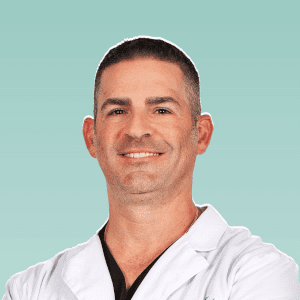
Author: Dr. Joseph Castellano
Dr. Joseph Castellano is a native Floridian who grew up in the Tampa Bay area. After medical school and residency, Dr. Castellano returned home and has opened a practice in Tampa, Florida focusing on breast augmentation, abdominoplasty, liposuction, facelift, and eyelid rejuvenation. He is a member of the American Board of Cosmetic Surgery, American College of Surgeons, and American Medical Association