Facelift recovery in Tampa follows a predictable arc — but only if you know what to expect at each stage. This guide walks you through every phase of healing, from the first 24 hours through the three-month mark, with specific instructions, realistic timelines, and the mistakes that slow patients down.
TL;DR: Facelift recovery in Tampa takes roughly 10–14 days before most patients look presentable in public, and 2–3 months for final results to settle. The biggest factors are managing swelling, protecting incisions from the Florida heat and sun, and following your surgeon's activity restrictions. Patients at Castellano Cosmetic Surgery Center receive a written recovery protocol at discharge — follow it literally, not loosely.
Why Facelift Recovery Demands a Plan
Tampa's climate creates specific recovery considerations that patients in cooler states don't face. High humidity, intense UV exposure, and the temptation to get back to outdoor activities can all compromise healing if you're not deliberate about it. Swelling also behaves differently here — heat drives fluid into tissue, which means patients who ignore sun and temperature guidelines often stay puffy longer than necessary. In 2026, most board-certified surgeons in Tampa recommend planning at least 2 weeks of structured downtime before returning to any social or professional commitments.
The steps below reflect the standard recovery protocol used for surgical facelifts — including SMAS-layer procedures — performed at a fully accredited surgical center.
What You'll Need Before Surgery Day
- Recovery space: A recliner or wedge pillow to keep your head elevated 30–45 degrees for the first 5 days. Flat sleeping increases swelling measurably.
- Loose, front-opening clothing: Nothing pulled over the head for at least 3 weeks. Button-front shirts and zip-up hoodies only.
- Medications on hand: Your surgeon will prescribe antibiotics, a short course of pain medication, and possibly an anti-nausea medication. Have these filled before surgery.
- Cold compresses or gel packs: Wrapped in a thin cloth — never applied directly to skin over incision sites.
- Help lined up: You need a responsible adult with you for the first 24–48 hours, and a driver for all follow-up appointments during the first week.
- Time off work: Minimum 10–14 days for desk jobs; 3–4 weeks for anything physically demanding.
- Soft foods: Jaw movement is limited for several days. Stock broth, yogurt, smoothies, scrambled eggs.
For a broader look at what to expect before any major cosmetic procedure, the facelift Tampa consult-to-recovery guide covers the pre-operative consultation in detail.
The Steps: Week-by-Week Recovery Protocol
Step 1 — Hours 0–24: Manage the Immediate Post-Op Period
You wake up from anesthesia with a wrap-style dressing around your face and neck. Expect pressure, not pain — most patients describe the sensation as tightness rather than sharp discomfort. Nausea from anesthesia is common and peaks in the first 6 hours. Eat nothing solid until it passes.
What it accomplishes: The compression dressing controls bleeding and reduces early swelling. Removing or loosening it prematurely increases the risk of hematoma — a collection of blood under the skin that is the most common facelift complication, occurring in roughly 1–3% of cases.
Common mistake: Patients try to feel their incisions or check the results. Do not touch the dressing, and do not look at the result on day one — swelling distorts everything.
Step 2 — Days 2–4: Handle Drains and Dressings
Some patients go home with small drainage tubes near the incision sites. Your surgeon will give specific instructions on emptying and recording drain output. Most drains are removed at the first follow-up visit, typically 24–48 hours post-op.
Expected outcome: Drains will collect reddish-pink fluid — this is normal. Bright red fluid or sudden increases in output mean call the office immediately.
Why it matters: Keeping drain sites clean prevents infection. In Tampa's humidity, this step requires extra diligence — pat the area dry after any moisture exposure.
Step 3 — Days 3–7: Control Swelling and Bruising
Swelling peaks around days 3–4 and then begins a slow decline. Bruising is most visible around days 4–6, often tracking down into the neck. Both are normal.
- Keep your head elevated at all times, including sleep.
- Apply cold compresses for 20 minutes on, 20 minutes off — never directly on the incision line.
- Avoid bending over at the waist. Picking something up off the floor spikes the pressure in your face.
- Stay out of the heat entirely. No outdoor time during peak Tampa sun hours (10 a.m.–4 p.m.) through at least week 3.
Common mistake: Taking ibuprofen or aspirin for pain. Both are blood thinners and significantly increase bruising. Use only what your surgeon prescribed.
Step 4 — Days 7–10: Suture Removal and First Social Milestone
Most sutures and staples around the hairline and ears are removed between days 7 and 10 at your follow-up visit. This appointment is not optional — the timing matters for scar quality.
By day 10, the majority of patients can be in public without looking visibly post-surgical, provided they are comfortable with residual yellow-green bruising that makeup can cover. Swelling in 2026 facelift patients at this stage is typically 50–60% resolved.
What to avoid still: Strenuous activity, sexual activity, bending, lifting anything over 10 pounds, alcohol, and sodium-heavy foods (salt holds fluid in tissue).
Step 5 — Weeks 2–3: Scar Care Begins
Once incisions are fully closed with no scabbing, your surgeon will clear you to begin scar management. Standard protocol at this stage:
- Apply silicone gel or silicone sheeting to incision lines twice daily.
- Sunscreen SPF 50+ over all incision areas every single morning — Tampa's UV index regularly hits 10–11, and UV exposure in the first 6 months is the leading cause of permanent darkened scarring.
- Begin gentle lymphatic massage if your surgeon recommends it — this accelerates fluid clearance from the face.
Expected outcome: Incisions fade from pink to skin-tone over 3–6 months. Scars in facelift patients are placed at the hairline and behind the ear, where they become nearly invisible with proper care.
Step 6 — Weeks 3–6: Return to Normal Activity (Gradually)
- Light walking is approved from day 7 onward.
- Cardio and aerobics: cleared at weeks 3–4 depending on your surgeon's assessment.
- Weight training and anything that elevates heart rate significantly: cleared at week 6.
- Driving: typically cleared once you are off narcotic pain medication and can turn your head freely — often by day 7–10.
Common mistake: Patients feel good at week 2 and resume full activity. Elevated heart rate drives blood into the face, reversing swelling progress. The restriction exists even when you feel fine.
Step 7 — Months 2–3: Final Results Take Shape
Residual swelling that remains at week 6 is often subtle and concentrated in front of the ears or along the jaw. This final layer resolves between months 2 and 3. Most patients see their true, settled result by the 12-week mark.
This is also when the tightness and numbness that patients feel in the cheeks and neck begin to normalize. Nerve sensation returns gradually — tingling or occasional shooting sensations in the skin are normal and not a complication.
Troubleshooting: Problems and What to Do
Hematoma (blood pooling under skin): Presents as sudden swelling on one side only, increasing tightness, or skin turning dark and firm within 24–48 hours of surgery. This requires same-day evaluation — call the office, not the ER, first.
Prolonged numbness past 3 months: Some nerve disruption is expected. Sensation in the earlobe and lower cheek is often the last to return, and for some patients it takes 6–12 months. True permanent numbness is rare with experienced surgeons.
Hair thinning near incision lines: Temporary hair shedding around hairline incisions is common and usually resolves by month 3–4. Persistent thinning past 6 months warrants a follow-up.
Asymmetric swelling: Almost universal at weeks 1–3. The body resolves swelling unevenly. Evaluate symmetry only after month 3 — not before.
Visible or thickened scars: If scars are raised or red past the 3-month mark, discuss scar revision options with your surgeon. Steroid injections and silicone sheeting are first-line treatments before any surgical revision is considered. The scar revision Tampa guide covers when to act and what it costs.
Skin feeling "too tight": Expected and almost always temporary. The SMAS layer, not just the skin, was repositioned. Tightness resolves as tissues settle over weeks 4–12.
Tools and Resources
- Silicone scar sheets or gel: Available at most Tampa pharmacies; brands like ScarAway or Mederma Advanced Scar Gel are commonly recommended.
- SPF 50+ mineral sunscreen: Zinc oxide formulas are gentler on healing skin than chemical filters.
- Written recovery protocol from your surgeon: Castellano Cosmetic Surgery Center provides this at discharge — keep it on the counter, not in a drawer.
- Follow-up appointment schedule: Typically at 24–48 hours, day 7–10, week 3, and month 3. Do not reschedule these.
- For patients also noticing other signs of facial aging, the article on signs your face is aging and what cosmetic surgery can fix addresses what a facelift can and cannot correct.
What to Do Next
If you are in the research phase, schedule a consultation at Castellano Cosmetic Surgery Center. Dr. Castellano and Dr. Giglio review your anatomy, discuss realistic outcomes, and walk you through the recovery protocol specific to your procedure before you commit to anything. For a full picture of the timeline from consultation to results, the facelift Tampa consult-to-recovery guide is the logical next read.
FAQ
How long does facelift recovery take in Tampa?
Most patients are presentable in public by days 10–14. Full, settled results take 2–3 months. Tampa's heat and UV exposure make sun avoidance during recovery more critical than in cooler climates.
When can I go back to work after a facelift?
Desk jobs and remote work typically resume at the 10–14 day mark. Physical jobs — anything involving exertion, bending, or lifting — require 3–4 weeks minimum.
Is facelift recovery painful?
Most patients describe it as uncomfortable rather than acutely painful. Tightness and pressure dominate the first week. Prescription pain medication is typically needed for only 2–4 days.
How bad is swelling after a facelift?
Swelling peaks at days 3–4 and is most dramatic around the jaw and neck. By day 10, roughly half of the swelling has resolved. The final 10–15% of residual swelling clears between months 1 and 3.
Can I exercise during facelift recovery?
Light walking starts at day 7. Cardio clears at weeks 3–4. Weight training and high-intensity exercise are restricted until week 6. Elevated heart rate drives swelling back into the face, which sets healing back.
What should I eat during facelift recovery?
Soft foods for the first 5–7 days while jaw movement is limited. Low-sodium diet through at least week 3 — salt causes the body to retain fluid, worsening swelling. No alcohol for 2 weeks minimum.
Does facelift leave visible scars?
Incisions are placed along the hairline and behind the ear. With proper scar care — silicone, SPF 50+ daily, no sun on healing skin — scars become minimal and difficult to detect within 6–12 months.
How is facelift recovery different in Florida's climate?
Florida's heat and humidity increase swelling if you spend time outdoors too early. High UV index (regularly 10–11 in Tampa) accelerates scar pigmentation. Recovery discipline around sun exposure matters more here than in most other states.
One Last Thing
The patients who see the cleanest results consistently do one thing: they treat the written recovery protocol as a prescription, not a suggestion. In 2026, board-certified surgeons in Tampa have refined facelift techniques significantly — tissue repositioning is more natural, incisions are more discreet, and recovery is faster than it was a decade ago. But surgical technique accounts for roughly half the outcome. The other half is how you care for yourself in the 12 weeks that follow.
Related Guides
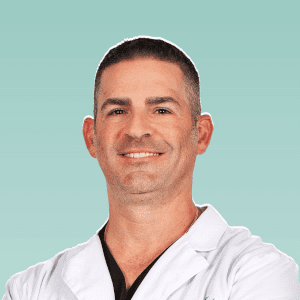
Author: Dr. Joseph Castellano
Dr. Joseph Castellano is a native Floridian who grew up in the Tampa Bay area. After medical school and residency, Dr. Castellano returned home and has opened a practice in Tampa, Florida focusing on breast augmentation, abdominoplasty, liposuction, facelift, and eyelid rejuvenation. He is a member of the American Board of Cosmetic Surgery, American College of Surgeons, and American Medical Association