Adult ears that stick out, fold unevenly, or never sat flat to begin with don't fix themselves with a haircut change. Otoplasty in Tampa reshapes ear cartilage on adults whose ears finished growing decades ago, and the technique a surgeon chooses matters more for adult cartilage than it does for a child's.
- Otoplasty Tampa candidates are adults with stiff, fully-developed ear cartilage, not children with pliable ears.
- Cartilage-scoring technique is the Buy pick for most adult protruding-ear cases in 2026 because adult cartilage resists suture-only folding.
- Suture-only otoplasty is a Consider, not a default, for adults with unusually flexible cartilage confirmed at consult.
- Combining otoplasty with a facelift or eyelid surgery under one general anesthesia session is a Consider for adults already booked for facial surgery.
- Skip any ‘ear pinning’ offered outside a board-certified surgical consult.
Why this matters
Ear cartilage stiffens with age. A technique that reshapes a 7-year-old's ear in twenty minutes can fail on a 40-year-old's ear because the cartilage springs back to its original shape within months. That's the single biggest reason adult otoplasty results vary so widely online, and it's why the technique conversation matters more here than the surgeon-brand conversation.
Most people searching otoplasty Tampa in 2026 are adults who've lived with prominent or asymmetric ears since childhood and finally have the disposable time and income to address it. Some are addressing a single traumatic injury to one ear. Either way, the anatomy at 35 is not the anatomy at 7, and the surgical plan needs to reflect that.
Who this is for
This guide is for adults, generally 18 and older, whose ears protrude more than about 2 centimeters from the scalp, fold unevenly, or lack a normal antihelical fold, and who want a surgical correction rather than tape, hairstyling, or hearing-aid-style cosmetic covers. It's also relevant to adults revisiting a childhood otoplasty that partially relapsed, since revision cases require a different cartilage assessment than a first-time procedure.
What to look for in an otoplasty surgeon for adults
Board certification in a surgical specialty
Ear cartilage reshaping is a surgical procedure, not a med-spa service, and the surgeon performing it should carry board certification in plastic surgery or a related surgical specialty. Certification indicates specific training in facial anatomy and the judgment calls that come up mid-procedure when cartilage doesn't fold the way a diagram suggests. A board-certified surgeon has passed exams and case review specific to surgical procedures, which a med-spa injector or aesthetician has not.
Adult-specific cartilage experience
Ask directly how many adult otoplasty cases the surgeon has performed versus pediatric cases. The techniques overlap but the cartilage behavior doesn't, and a surgeon who mostly treats children may default to a suture-only approach that underperforms on stiffer adult cartilage.
Technique flexibility, not a single default
A surgeon who offers only one otoplasty technique regardless of what your ear cartilage looks like at consult is optimizing for their workflow, not your ear. The right technique depends on cartilage flexibility, degree of protrusion, and whether one ear or both need correction.
Anesthesia options that match the case
Single-ear touch-ups sometimes work under local anesthesia with sedation. Bilateral cases with heavier cartilage work, or otoplasty combined with another facial procedure, often call for general anesthesia. A surgeon should walk through this decision at consult rather than applying a blanket policy.
A clear plan for scar placement
Otoplasty incisions typically sit in the natural crease behind the ear, but the exact placement and closure technique affects how visible the resulting line is once healing settles, usually over several months. Ask to see how the surgeon closes incisions and where scars tend to land on prior adult cases.
Consultation depth, not a rushed sales pitch
A thorough consult includes physical examination of cartilage flexibility, ear symmetry measurements, and a conversation about your goals for shape and projection, not just a price quote. Bring a list of questions; a consultation for a cosmetic procedure should leave you with a specific technique recommendation, not a vague "we'll figure it out in the OR."
Technique options: which otoplasty approach fits you
Suture-only (Mustarde-style) technique — the conservative pick. This approach places permanent sutures to fold cartilage into a new shape without removing or scoring tissue. One spec that matters: it depends on cartilage flexible enough to hold a fold under suture tension alone, which is common in adolescents and less common past the late 20s. Consider this only if your surgeon confirms flexible cartilage at consult; Skip it if your ears have been stiff since childhood, since the fold tends to relapse within a year on stiffer cartilage.
Cartilage-scoring (Stenstrom-style) technique — the precision pick for most adults. This approach makes small, controlled scores or thinning cuts in the cartilage so it holds a new curve permanently, addressing the exact problem suture-only techniques run into on adult ears. The concrete number that matters: adult cartilage that hasn't reshaped with tape or suture pressure by early adulthood usually needs this mechanical change, not just repositioning. Buy — this is the default recommendation for typical adult protruding-ear correction in 2026.
Combination technique (scoring plus sutures) — the belt-and-suspenders pick. Surgeons combine both methods when protrusion is severe or asymmetric between ears, scoring the cartilage for shape and adding sutures for fine positioning. Consider this for pronounced protrusion over roughly 2.5 centimeters or noticeable left-right asymmetry.
In-office local anesthesia otoplasty — the lunch-break pick. For a single ear or a minor touch-up, local anesthesia with oral sedation keeps the procedure shorter and recovery lighter. Consider for isolated single-ear cases; Skip if you're correcting both ears with significant cartilage work, since staying still and comfortable through a longer bilateral procedure under local anesthesia is harder than it sounds.
Combined with another facial procedure under general anesthesia — the efficiency pick. Adults already booked for a facelift or eyelid surgery sometimes add otoplasty to the same operating room session to consolidate recovery time into one stretch instead of two. Consider if you're already having facial surgery and want to combine anesthesia exposure; Skip if otoplasty is your only procedure, since scheduling it standalone under local anesthesia is usually simpler.
What to avoid
- DIY ear-taping or clip devices marketed for adults. These are built around pediatric cartilage flexibility and do nothing to reshape cartilage that has hardened over decades — they're cosmetic camouflage at best, not correction.
- "Ear pinning" offered without a surgical consult. If a provider quotes a price and technique before physically examining your cartilage flexibility, that's a red flag regardless of how it's marketed.
- A single default technique pitched as universal. Adult ears vary enough in cartilage stiffness that a surgeon recommending the identical approach to every patient hasn't actually assessed your ear.
Otoplasty for adults: verdict comparison
| Approach | Best for | Downtime | Verdict |
|---|---|---|---|
| Suture-only | Flexible adult cartilage confirmed at consult | About 1 week of visible swelling | Consider |
| Cartilage-scoring | Typical stiff adult cartilage | 1 to 2 weeks | Buy |
| Combination (scoring + sutures) | Severe or asymmetric protrusion | 1 to 2 weeks | Consider |
| Local anesthesia, single ear | Isolated one-ear correction | 5 to 10 days before desk work | Consider |
| Combined with facelift/blepharoplasty | Already scheduled for facial surgery | Depends on the paired procedure | Consider |
FAQ
What’s the best otoplasty technique for adults in Tampa?
Cartilage-scoring technique is usually the best fit for adults because ear cartilage stiffens with age and doesn’t hold a suture-only fold long term. A surgeon confirms which technique fits your specific cartilage at a physical consult.
Is otoplasty for adults different from otoplasty for children?
Yes, because adult cartilage is stiffer and less pliable than a child’s cartilage. Techniques that work well on flexible pediatric cartilage, like suture-only folding, often relapse on stiffer adult ears within a year.
How long is recovery after adult ear pinning surgery?
Visible swelling and bruising typically run 1 to 2 weeks, with most adults returning to desk jobs in 5 to 10 days. Full settling of the final ear shape and any scar fading takes several months.
Can otoplasty be combined with other facial surgery?
Yes, adults already scheduled for a facelift or eyelid surgery sometimes add otoplasty to the same operating room session under one general anesthesia. This consolidates recovery time instead of spreading it across two separate procedures.
Does otoplasty use local or general anesthesia for adults?
Single-ear or minor cases sometimes use local anesthesia with sedation, while bilateral cases with more cartilage work often use general anesthesia. The right choice depends on how much correction each ear needs.
Will otoplasty scars be visible after surgery?
Incisions are typically placed in the natural crease behind the ear, which keeps most scarring hidden from a front-facing view. Final scar appearance settles over several months as swelling resolves.
Can adult otoplasty correct just one ear?
Yes, single-ear correction is common for adults addressing an old injury or asymmetry rather than bilateral protrusion. This case often qualifies for local anesthesia instead of general anesthesia.
What happens if a childhood otoplasty partially relapsed?
Revision otoplasty on ears that partially relapsed requires reassessing cartilage flexibility, since the original technique may not hold on cartilage that has since stiffened with age. A surgeon typically recommends cartilage-scoring for revision cases even if the original surgery used sutures alone.
One last thing
The detail most adults searching otoplasty Tampa in 2026 skip past: the technique conversation matters more than the surgeon's marketing, because a suture-only fold on stiff adult cartilage can visibly relapse within twelve months while cartilage-scoring holds the new shape permanently. Ask specifically which technique fits your ear before booking, not after.
Related guides
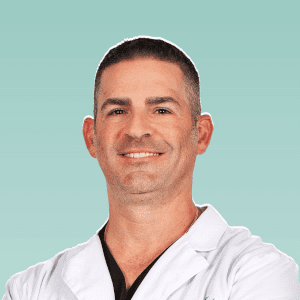
Author: Dr. Joseph Castellano
Dr. Joseph Castellano is a native Floridian who grew up in the Tampa Bay area. After medical school and residency, Dr. Castellano returned home and has opened a practice in Tampa, Florida focusing on breast augmentation, abdominoplasty, liposuction, facelift, and eyelid rejuvenation. He is a member of the American Board of Cosmetic Surgery, American College of Surgeons, and American Medical Association