A deviated septum makes it hard to breathe through one or both nostrils, and functional rhinoplasty in Tampa is the surgery that straightens the internal structure so air moves the way it should. This guide breaks down who needs it, what to check before booking a consult, and which surgical approach fits your situation.
- Functional rhinoplasty tampa fixes breathing, not looks — septoplasty alone handles most deviated septum cases. Buy.
- Septorhinoplasty combines breathing repair with cosmetic changes when the outside bump matches the inside blockage. Consider.
- Insurance often covers the functional portion of surgery in 2026 but rarely touches the cosmetic add-ons. Check your policy first.
- Revision functional rhinoplasty carries higher scar-tissue risk than a first surgery. Consult before scheduling.
- Dr. Joseph Castellano at Castellano Cosmetic Surgery Center evaluates septum and airway with nasal endoscopy before recommending any approach.
Why this matters
A blocked nasal airway does more than annoy you at night. Chronic mouth breathing, disrupted sleep, and recurring sinus infections all trace back to structural problems inside the nose that decongestant sprays never fix. Surgery on the septum and turbinates is a mechanical correction, and in 2026 it's still the only reliable fix once conservative treatment has failed.
The confusion patients run into is mixing up cosmetic rhinoplasty with the functional version. Functional rhinoplasty in Tampa can be done as a pure airway repair or combined with reshaping the outside of the nose — the right call depends on your anatomy and your goals, not on what an ad promises.
Who this is for
This guide is for Tampa Bay adults who've been told they have a deviated septum, who deal with one-sided nasal blockage, snoring, or repeat sinus infections, and who want to know whether surgery is the next step versus another round of nasal sprays. It's also for people who have a cosmetic concern about their nose and want to know if it can be addressed at the same time as the breathing fix.
What to look for in functional rhinoplasty for a deviated septum
A confirmed diagnosis, not a guess
A deviated septum should be documented with nasal endoscopy or imaging before anyone schedules surgery. Surgeons who skip straight to booking an OR date without examining the airway are treating symptoms without confirming the cause.
Board certification in a surgical specialty
Nasal surgery sits at the intersection of breathing function and facial appearance, and it requires training in both. Ask whether the surgeon is board-certified in plastic surgery or facial plastic surgery — this single credential filters out most of the risk in choosing a provider.
Insurance coverage for the functional portion
Most insurance plans cover septoplasty and turbinate reduction when medical necessity is documented, but they will not pay for cosmetic reshaping bundled into the same surgery. Get a clear breakdown of what's billed as functional versus cosmetic before you sign anything, since 2026 plan documents vary widely on prior authorization requirements.
Whether you want cosmetic changes addressed too
If you've always disliked a bump or asymmetry on your nose, say so at the consult. Combining functional repair with cosmetic reshaping in one surgery avoids putting your nose through two separate recoveries.
A realistic recovery timeline
Swelling from nasal surgery can take up to a year to fully settle, even though the visible bruising and splint come off within 7 to 10 days. Anyone expecting a final result within two weeks is setting themselves up for disappointment.
Awareness of revision risk
Septum surgery has a documented redo rate tied to scar tissue and cartilage memory, meaning a small percentage of patients need a second procedure years later. Knowing this upfront changes how you evaluate "guaranteed results" marketing.
Surgical approaches to consider
Septoplasty alone — the straightforward fix. This procedure repositions or trims the deviated cartilage and bone inside the nose without changing its outward shape. It's typically an outpatient surgery lasting under an hour, and it's the right call when your only concern is breathing. Buy for patients with no cosmetic complaints.
Septorhinoplasty — the combined approach. This pairs septum correction with reshaping the bridge, tip, or nostrils in a single operation. It makes sense when a crooked external nose and a crooked internal septum are the same structural problem, which is common. Consider if you've been putting off a cosmetic change and have a functional reason to finally book surgery.
Turbinate reduction as an add-on. The turbinates are the internal structures that swell and block airflow independently of the septum; reducing their size during the same surgery often improves breathing more than septum work alone. It adds relatively little time to the procedure. Consider when your ENT exam shows turbinate hypertrophy alongside the deviation.
Revision functional rhinoplasty. For patients whose first septoplasty didn't resolve blockage, or whose symptoms returned within a few years, a second surgery works around existing scar tissue and requires more surgical judgment than a first-time procedure. Recovery tends to run longer than an initial surgery because the tissue has already been operated on once. Revision rhinoplasty in Tampa is worth exploring with a surgeon experienced specifically in redo cases. Consult before assuming a first surgeon's approach failed you — sometimes anatomy simply shifted during healing.
What to avoid
- "Nose job" ads that never mention the septum. Marketing focused entirely on bridge shape or tip refinement is aimed at cosmetic-only patients — if breathing is your real problem, that messaging tells you the provider isn't centering the functional exam.
- Injectable "liquid rhinoplasty" for a breathing complaint. Filler can camouflage a small external bump, but it does nothing for internal airway obstruction and can make surgical planning harder later. If your goal is breathing, injectables are the wrong category entirely.
- Skipping imaging because symptoms feel obvious. A deviated septum and chronic sinusitis can look identical from the patient side. Confirming the exact structural cause before surgery prevents operating on the wrong problem.
Verdict comparison across approaches
| Approach | Insurance likely to cover | Recovery time | Changes appearance | Verdict |
|---|---|---|---|---|
| Septoplasty alone | Yes, with documented necessity | 7-10 days visible, weeks to feel normal | No | Buy for pure breathing issues |
| Septorhinoplasty | Functional portion only | Up to a year for final swelling | Yes | Consider if cosmetic goals exist |
| Turbinate reduction add-on | Yes, bundled with septoplasty | Similar to septoplasty alone | No | Consider when turbinates are enlarged |
| Revision functional rhinoplasty | Case by case | Longer than first surgery | Depends on original surgery | Consult before deciding |
Rhinoplasty cost in Tampa for 2026 varies with which of these approaches you and your surgeon land on, since insurance-covered functional work and out-of-pocket cosmetic work are billed separately.
FAQ
What is functional rhinoplasty tampa and how is it different from cosmetic rhinoplasty?
Functional rhinoplasty repairs internal breathing problems like a deviated septum or enlarged turbinates, while cosmetic rhinoplasty reshapes the outward appearance of the nose. The two can be combined in one surgery when both issues exist.
Is functional rhinoplasty covered by insurance in 2026?
The septum and turbinate portions are typically covered when medical necessity is documented through imaging or an exam. Any cosmetic reshaping bundled into the same surgery is billed separately as an out-of-pocket cost.
How long is recovery after septum surgery?
Visible bruising and the internal splint clear in about 7 to 10 days, but internal swelling can take up to a year to fully resolve. Most patients return to desk work within a week.
Can a deviated septum come back after surgery?
A small percentage of patients experience recurring symptoms from scar tissue or shifting cartilage, which is why some need revision functional rhinoplasty years later. Choosing a board-certified surgeon reduces this risk from the start.
Do I need imaging before scheduling septoplasty?
Most surgeons confirm the diagnosis with nasal endoscopy rather than a CT scan, though imaging may be used when sinus disease is also suspected. Skipping this step risks operating on the wrong cause of your symptoms.
Can I get a nose reshaped and my septum fixed in the same surgery?
Yes, this is called septorhinoplasty and it’s common when a crooked external nose and an internal deviation share the same cause. It saves you from two separate recoveries.
What happens if I only treat the septum and not the turbinates?
If enlarged turbinates are contributing to your blockage, leaving them untreated can mean breathing improvement falls short of what you expected. An ENT exam before surgery should check both structures.
How much does functional rhinoplasty cost in Tampa?
The functional portion is often insurance-covered when medically necessary, while any cosmetic changes are billed separately and out of pocket. Get an itemized breakdown at your consult before assuming a total price.
One last thing
Most patients assume septum surgery is purely about the two weeks right after the procedure, but the real timeline runs closer to a year before swelling fully settles and the final breathing improvement is obvious. If your surgeon is only talking about the splint coming off, ask what month you should expect to judge the actual result.
Related guides
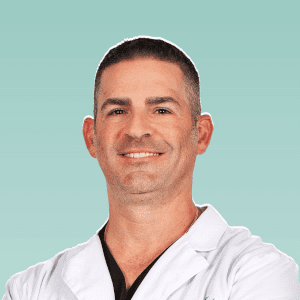
Author: Dr. Joseph Castellano
Dr. Joseph Castellano is a native Floridian who grew up in the Tampa Bay area. After medical school and residency, Dr. Castellano returned home and has opened a practice in Tampa, Florida focusing on breast augmentation, abdominoplasty, liposuction, facelift, and eyelid rejuvenation. He is a member of the American Board of Cosmetic Surgery, American College of Surgeons, and American Medical Association