Cheek implants add permanent, structural volume to the midface — a different result than filler or fat transfer, and a bigger decision. This guide breaks down what actually matters when you're comparing surgical cheek augmentation options in Tampa for 2026.
- Solid silicone cheek implants are the standard pick for permanent midface structure — Buy if you want a one-time surgical result.
- Porous polyethylene (Medpor) implants integrate with tissue over months, a Consider for patients prioritizing a fixed feel.
- Fat transfer and cheek filler remain the non-surgical routes worth testing before you commit to cheek implants in Tampa.
- Board certification and 3D imaging separate a natural cheek result from an obviously augmented one in 2026.
Why this matters
Cheek implants change bone-level contour, not just soft tissue volume, so the wrong size or placement is a revision surgery, not a dissolved filler appointment. That's a higher-stakes decision than most facial procedures, which is why certification matters more here than almost anywhere else in cosmetic surgery. A surgeon who only injects filler day-to-day hasn't necessarily handled the anatomy involved in placing a solid implant against the zygomatic bone.
Castellano Cosmetic Surgery Center in Tampa fields this question often from patients who've tried filler, liked the projection, and want it to stop requiring maintenance appointments. That's a legitimate reason to consider cheek implants — but it's not the only path, and it's not right for everyone.
Who this is for
This guide is for Tampa-area adults who've already tried or researched cheek filler, want permanent midface projection instead of a treatment they repeat every 12 to 18 months, and are comfortable with a surgical recovery instead of a same-day injectable visit. If you're unsure whether you even want permanent change yet, filler or Sculptra is the lower-commitment starting point — read the comparisons below before booking a surgical consult.
What to look for in cheek implants for Tampa patients
Board certification and facial anatomy training
Cheek implants sit close to the infraorbital nerve and the zygomatic arch — a surgeon without formal training in facial anatomy is working with less margin for error. Ask specifically about facial cosmetic surgery training, not just general cosmetic surgery credentials, since the two overlap less than patients assume.
Implant material: solid silicone vs. porous polyethylene
Solid silicone implants are removable and reversible if you change your mind, which matters more than most patients think going in. Porous polyethylene (Medpor) implants let tissue grow into the material over several months, giving a more fixed feel but a harder revision if something needs adjusting later.
Sizing and shape customization
Cheek implants come in small, medium, and large sizes, plus malar (upper cheek), submalar (lower cheek), and combined styles. A surgeon relying on off-the-shelf sizing without 3D facial imaging is more likely to produce the "obviously augmented" look patients want to avoid in 2026.
Incision approach
Most cheek implants go in through an intraoral incision inside the mouth, leaving no visible external scar. A lower-eyelid approach is sometimes used when combining implants with lower blepharoplasty, but it carries its own risk profile around eyelid position — ask which approach your surgeon defaults to and why.
Recovery timeline and swelling expectations
Expect visible swelling for 2 to 3 weeks and residual puffiness that can take 6 to 8 weeks to fully resolve. Swelling is frequently asymmetric in the first few weeks, which unsettles patients who expect an even result on day one — it settles as tissue heals.
Top picks: cheek augmentation options ranked
Solid silicone cheek implants — the permanent standard. Available in small, medium, and large sizing with malar, submalar, and combined placements, silicone implants are the most common surgical choice for permanent midface structure. They're removable if revision is ever needed, which matters for anyone hesitant about a "forever" decision. Buy if you've confirmed the projection you want through filler first and want it to stop being maintenance.
Porous polyethylene (Medpor) implants — the tissue-integrating option. These implants allow soft tissue to grow into the material over roughly 3 to 6 months, producing a more fixed, less mobile result than silicone. That integration is a benefit for stability and a drawback if you ever need the implant removed. Consider it only if you're fully committed to permanence and have discussed revision difficulty with your surgeon.
Fat transfer to the cheeks — the natural-tissue alternative. Fat transfer uses your own tissue, harvested via liposuction and re-injected into the midface, avoiding a foreign implant altogether. Results build gradually and a portion of transferred fat doesn't survive, so some patients need a second round. Read the fat transfer to face guide before ruling it out — it's a real alternative to cheek implants for moderate volume goals. Consider if you want a surgical option without a synthetic implant.
Cheek filler — the test-run before surgery. Hyaluronic acid filler gives you a preview of implant-level projection without committing to surgery, and it dissolves if you don't like the look. The cheek filler guide covers how long results actually last and what a single session costs. Buy as a trial run; Skip as your permanent answer if you're already sure you want the implant look to stay.
Sculptra for cheeks — the gradual collagen build. Sculptra stimulates your own collagen production over several months rather than adding immediate volume, producing a slower, more incremental change than filler or implants. The Sculptra face guide compares it directly against filler for facial volume. Consider if you want subtle build-up and don't mind multiple sessions over a few months.
What to avoid
- Off-the-shelf implant sizing without 3D imaging. A surgeon who skips imaging and eyeballs implant size is more likely to produce visible asymmetry or an over-projected look.
- Chasing extreme projection trends. Heavily augmented midface trends look striking in photos but read as unnatural in person and in motion — ask to see how a size looks on your specific bone structure, not a generic before-and-after.
- Treating filler injectors as implant consultants. An injector who does excellent filler work isn't automatically qualified to advise on surgical implants — the anatomy and revision stakes are different.
Verdict comparison
| Option | Permanence | Recovery | Reversible | Best for |
|---|---|---|---|---|
| Solid silicone implant | Permanent | 2-3 weeks visible swelling | Yes, removable | Confirmed permanent projection |
| Medpor implant | Permanent, tissue-integrated | 2-3 weeks visible swelling | Difficult after integration | Committed, low-revision-risk patients |
| Fat transfer | Semi-permanent, some fat loss | 1-2 weeks | Not directly reversible | Natural-tissue preference |
| Cheek filler | 12-18 months | Minimal downtime | Dissolvable | Testing before surgery |
| Sculptra | Gradual, months-long build | Minimal downtime | Not reversible | Subtle, incremental change |
FAQ
How long do cheek implants last?
Cheek implants are designed as a permanent solution and typically stay in place for decades without needing replacement. They can be removed or exchanged for a different size if your preferences change, but most patients never revise them.
Are cheek implants better than cheek filler?
Cheek implants give a permanent result while filler lasts 12 to 18 months and requires repeat appointments. Filler is the lower-commitment option for testing projection before deciding on cheek implants.
What is the recovery time for cheek implants?
Visible swelling typically lasts 2 to 3 weeks, with residual puffiness resolving over 6 to 8 weeks. Most patients return to non-strenuous work within 1 to 2 weeks.
Do cheek implants leave a scar?
Most cheek implants are placed through an intraoral incision inside the mouth, leaving no visible external scar. A lower-eyelid incision is sometimes used when combining implants with blepharoplasty.
Is fat transfer a good alternative to cheek implants?
Fat transfer uses your own tissue and avoids a synthetic implant, but results build gradually and some transferred fat doesn’t survive long-term. It suits patients wanting moderate volume without a foreign material in place.
Can cheek implants be removed later?
Solid silicone implants are removable if you change your mind or want a different size. Porous polyethylene implants are harder to remove once tissue has integrated into the material, usually within 3 to 6 months.
What size cheek implant is right for me?
Cheek implants come in small, medium, and large sizes across malar, submalar, and combined styles, and the right choice depends on your existing bone structure. Surgeons using 3D imaging can show how each size looks on your face before surgery.
Do cheek implants look natural?
A well-sized implant placed by a surgeon with facial anatomy training produces a natural-looking result that follows your existing bone structure. Over-sized implants or generic sizing without imaging are the most common cause of an obviously augmented look.
One last thing
Swelling after cheek implants is almost never symmetric in the first two to three weeks — one side settles faster than the other, and patients frequently assume something went wrong. It hasn't. Tissue positioning evens out as swelling resolves, and judging the final result before week six is judging an unfinished healing process, not the actual outcome.
Related guides
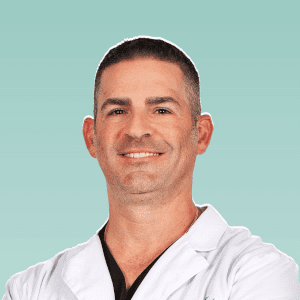
Author: Dr. Joseph Castellano
Dr. Joseph Castellano is a native Floridian who grew up in the Tampa Bay area. After medical school and residency, Dr. Castellano returned home and has opened a practice in Tampa, Florida focusing on breast augmentation, abdominoplasty, liposuction, facelift, and eyelid rejuvenation. He is a member of the American Board of Cosmetic Surgery, American College of Surgeons, and American Medical Association