Insurance covers eyelid surgery in Tampa only when drooping upper lids block your vision enough to prove medical necessity — cosmetic eyelid surgery for appearance alone is never covered by any carrier in 2026.
- Does insurance cover eyelid surgery? Only functional upper blepharoplasty with documented visual field loss qualifies, per most 2026 carrier policies.
- Lower eyelid surgery is considered cosmetic almost universally and is paid out of pocket at Castellano Cosmetic Surgery Center.
- Two documents make or break a claim: a visual field test and standardized photos showing the lid margin over the pupil.
- Denied claims can be appealed with a peer-to-peer review from your surgeon — approval rates rise sharply with complete documentation.
Why this matters
Patients ask Dr. Joseph Castellano some version of this question almost every week at consultations in Tampa: will my insurance pay for this? The honest answer is that most won't, and the ones that do have narrow, specific rules.
Eyelid surgery, or blepharoplasty, sits in a gray zone between cosmetic and functional medicine. When excess upper eyelid skin physically obstructs your peripheral or upper vision, it stops being a cosmetic issue and becomes a medical one. When it's about looking tired or aged without a measurable vision problem, insurers classify it as elective and won't touch it.
Getting this distinction right before you book a blepharoplasty consultation in Tampa saves you weeks of back-and-forth with your carrier and sets accurate expectations on what you'll pay.
What you'll need
- A visual field test (Humphrey visual field exam) ordered by an ophthalmologist or your surgeon
- Standard clinical photographs in primary gaze, showing the upper lid margin relative to the pupil
- Your insurance policy's specific blepharoplasty criteria (call member services and ask for the medical policy document, not a summary)
- A letter of medical necessity from your operating surgeon
- Your carrier's prior authorization form and submission deadline
- 4-6 weeks of lead time before your planned surgery date, since pre-authorization review isn't instant
The steps to find out if your eyelid surgery is covered
1. Confirm whether your case is functional or cosmetic
This single distinction decides everything else. If your upper lids sag low enough to block part of your visual field, you're in functional territory. If the concern is purely how your eyes look in photos or the mirror, it's cosmetic, and no documentation will change that outcome. Dr. Castellano evaluates this at the consult by checking lid position against the pupil and asking about real-world symptoms like straining to keep your eyes open or tilting your head back to see clearly.
Common mistake: assuming that feeling tired-looking counts as a symptom. Insurers require an objective vision obstruction, not a subjective appearance complaint.
2. Get a formal visual field test
A Humphrey visual field exam measures how much of your upper field of vision is blocked by excess skin, first with your lids in natural position, then with the skin taped up. Most carriers in 2026 want to see meaningful improvement in the taped position compared to natural. This test is the single most important piece of paper in your file — a claim without it gets denied automatically at most major carriers.
Common mistake: getting a routine eye exam instead of the specific taped/untaped visual field test. They are not interchangeable.
3. Have standardized clinical photos taken
Photos need to show your face in primary gaze, straight ahead, with consistent lighting, so a reviewer can see exactly where your lid margin sits relative to your pupil. Insurers typically want the lid margin resting at or below the pupil to consider the case functional. Phone selfies at odd angles get rejected outright.
Common mistake: submitting photos taken at different times of day or with makeup that obscures the true lid position.
4. Collect a letter of medical necessity
Your surgeon documents the exam findings, visual field results, and functional symptoms — difficulty driving, reading, or working — in a formal letter tied to your specific diagnosis code. This letter has to match the visual field data and photos exactly; inconsistencies between the three are the most common reason a legitimate case still gets denied.
5. Submit for prior authorization before scheduling
Do not schedule your surgery date until you have written pre-authorization back from the carrier. Submitting the visual field test, photos, and letter together as one package, rather than piecemeal, cuts down on delays. Most insurers respond within 10-15 business days, though some take longer during high-volume periods.
Common mistake: booking an OR date first and hoping approval catches up. If it's denied, you're left rescheduling and possibly paying a facility cancellation fee.
6. Plan for the parts insurance won't touch
Even when upper lid surgery is approved, lower eyelid work almost never is, and any combined aesthetic refinement — skin resurfacing, fat repositioning purely for contour — is billed separately as cosmetic. Understanding upper vs. lower blepharoplasty before your consult helps you budget for the parts of the procedure that stay out of pocket regardless of approval.
Find out if your case qualifies
A consult at Castellano Cosmetic Surgery Center reviews your lid position and vision symptoms directly.
Troubleshooting
Your claim was denied despite real vision symptoms. Request the denial letter's specific reason code, then have your surgeon file a peer-to-peer review — many denials get reversed once a physician-to-physician call clarifies the visual field data.
Your visual field test showed improvement but wasn't enough by your carrier's threshold. Some plans set stricter cutoffs than others. Ask your surgeon's office whether a second, independent ophthalmology test changes the numbers before appealing.
Your insurer approved the upper lids but not the lower. This is standard, not an error. Lower blepharoplasty is billed as cosmetic in nearly every 2026 policy on the market, so plan on paying for that portion separately.
You're self-pay and want to know real costs. Skip the insurance runaround entirely and look at blepharoplasty cost in Tampa for 2026 to budget accurately from the start.
Your employer plan and marketplace plan gave different answers. Coverage criteria vary by carrier and even by specific plan within the same carrier — always confirm against your actual policy document, not a general FAQ from the insurer's website.
Tools and resources
- Your insurer's medical policy document for "blepharoplasty" or "upper lid surgery" (request the full PDF, not the summary page)
- A Humphrey visual field test scheduled through an ophthalmologist
- Standardized clinical photography at your surgeon's office
- A written letter of medical necessity from your operating surgeon
- Prior authorization tracking so you know your submission and response dates
What to do next
If you're still in the planning stage, read how to prepare for the procedure itself so you know what recovery and pre-op instructions look like once approval is settled — see how to prepare for eyelid surgery in Tampa.
FAQ
Does insurance cover eyelid surgery in Tampa?
Insurance covers eyelid surgery only when drooping upper lids create a documented visual field obstruction. Cosmetic upper or lower blepharoplasty without proven vision loss is not covered by any carrier in 2026.
What visual field loss qualifies for insurance-covered blepharoplasty?
Carriers look for measurable improvement in the upper visual field when comparing natural lid position to a taped-up position on a Humphrey visual field test. The exact threshold varies by insurer, so check your specific policy document.
Is lower eyelid surgery ever covered by insurance?
Lower eyelid surgery is almost never covered because it’s classified as cosmetic in nearly all 2026 policies. Only upper lid surgery tied to functional vision obstruction has a path to coverage.
How long does insurance pre-authorization for eyelid surgery take?
Most carriers respond within 10 to 15 business days once a complete package — visual field test, photos, and a letter of medical necessity — is submitted. Incomplete submissions take longer and often get denied outright.
What happens if my eyelid surgery claim gets denied?
You can appeal with a peer-to-peer review, where your surgeon speaks directly with the insurer’s medical reviewer about your visual field results. Many denials get reversed once the clinical data is clarified this way.
How much does eyelid surgery cost without insurance in Tampa?
Cash-pay eyelid surgery costs vary based on whether it’s upper, lower, or combined with other procedures. Check current 2026 pricing directly with your surgeon’s office for an accurate quote.
Can I combine eyelid surgery with a facelift and still get partial insurance coverage?
Yes, but only the functional upper eyelid portion has a chance at coverage — the facelift and any cosmetic lid refinement are billed separately regardless of the eyelid claim outcome.
Do I need a referral from my primary doctor before pursuing covered eyelid surgery?
Some plans require a referral to an ophthalmologist for the visual field test before a surgical consult is authorized. Confirm your plan’s specific referral rules before scheduling any testing.
One last thing
The visual field test is the one piece of paperwork patients underestimate — it's not a routine eye exam, and skipping the taped-lid comparison step is the single most common reason an otherwise legitimate functional case gets denied on the first pass.
Related guides
- Eyelid surgery in Tampa: blepharoplasty procedure and recovery
- How to prepare for eyelid surgery in Tampa
- Upper vs. lower blepharoplasty: which do you need
- Blepharoplasty cost in Tampa, FL in 2026
- Does insurance cover a tummy tuck in Tampa
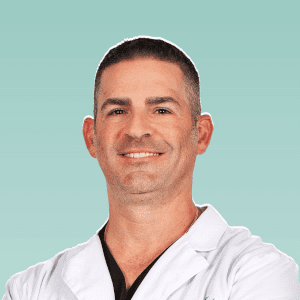
Author: Dr. Joseph Castellano
Dr. Joseph Castellano is a native Floridian who grew up in the Tampa Bay area. After medical school and residency, Dr. Castellano returned home and has opened a practice in Tampa, Florida focusing on breast augmentation, abdominoplasty, liposuction, facelift, and eyelid rejuvenation. He is a member of the American Board of Cosmetic Surgery, American College of Surgeons, and American Medical Association