Preparing your skin before cosmetic surgery in Tampa starts weeks before your surgery date, not the night before. The routine you follow in the 6 to 8 weeks leading up to surgery affects how your incisions heal, how visible your scars end up, and how smoothly your recovery goes.
- Skin prep for cosmetic surgery starts 6 to 8 weeks out with smoking cessation and daily sun protection, not the night before.
- Blood-thinning supplements and active ingredients like retinoids and AHAs typically stop 2 weeks before surgery.
- Sun-damaged, actively broken-out, or recently tanned skin raises infection and scarring risk during any Tampa surgery month.
- Your surgeon’s written pre-op list overrides any generic skincare routine you find online.
Why skin prep matters before cosmetic surgery
Your skin is the surgical field. Whatever condition it's in on surgery day — hydrated or dry, sun-damaged or protected, irritated or calm — is the condition your surgeon has to work with and the tissue that has to close and heal afterward.
At Castellano Cosmetic Surgery Center, pre-op instructions for facelifts, tummy tucks, breast surgery, and body contouring all include a skin-specific checklist, because skin quality affects incision placement, scar visibility, and how long swelling and bruising stick around. Patients who quit smoking before cosmetic surgery and manage sun exposure ahead of time consistently see cleaner-looking incision lines in the months after.
How do you prepare your skin before cosmetic surgery?
The short version: start early, protect from the sun, simplify your products, and stop anything that thins your blood or irritates your skin on a set schedule leading up to surgery.
| Timeframe | What to do | Why |
|---|---|---|
| 6-8 weeks out | Quit smoking/nicotine, start daily SPF | Nicotine restricts blood flow to healing tissue |
| 2 weeks out | Stop retinoids, AHAs, certain supplements | Reduces irritation and bleeding risk |
| 1 week out | Simplify to gentle cleanser + moisturizer | Avoids reactions right before surgery |
| Night before/day of | Cleanse skin, skip makeup and lotion | Keeps the surgical site clean for prep |
This is the general shape of skin prep across surgical procedures at Castellano Cosmetic Surgery Center in 2026 — your surgeon's specific list for your procedure always takes priority over this general guide.
6 to 8 Weeks Before Surgery: Quit Smoking and Start Sun Protection
This is the window where the biggest, slowest-to-reverse changes need to happen. Nicotine — from cigarettes, vaping, or nicotine gum — constricts blood vessels and reduces oxygen delivery to skin and tissue, which is exactly what your body needs during healing. Most surgeons ask patients to be fully nicotine-free for at least 4 weeks before and after surgery, and starting the process at 6 to 8 weeks gives you a real buffer.
This is also when daily SPF 30 or higher becomes non-negotiable, especially in Tampa where UV exposure runs high most of the year. Sun-damaged skin is thinner, less elastic, and slower to heal than protected skin. If you already have visible sun damage or old scars you're worried about, it's worth reading about scar protection from sun damage before your surgery date, since the same protection principles apply beforehand.
Verdict: start this stage early. It's the one phase you can't compress into a shorter window.
2 Weeks Before Surgery: Stop Certain Supplements and Actives
Two weeks out is when your medication and skincare list gets trimmed down. Blood-thinning supplements — fish oil, vitamin E, ginkgo biloba, St. John's Wort, and high-dose aspirin among them — increase bruising and bleeding risk during and after surgery, so most surgical practices ask patients to stop these roughly 2 weeks ahead.
On the skincare side, retinoids, retinol, and alpha-hydroxy acids (AHAs) thin and sensitize the skin's surface. Using them right up to surgery day increases the odds of irritation at incision sites. A full rundown of what to pause lives in supplements to avoid before plastic surgery — check it against your own supplement shelf, not just your medicine cabinet.
Verdict: treat this as a hard stop, not a taper. Ask your surgeon's office for the exact list tied to your procedure.
1 Week Before Surgery: Simplify Your Routine
This is not the week to try a new serum, a new cleanser, or a facial you've never had before. Skin reactions — redness, breakouts, sensitivity — take days to calm down, and you don't want to be managing an unrelated skin flare-up on top of surgery prep.
Stick to a gentle cleanser and a basic, fragrance-free moisturizer. Drop exfoliants, masks, and anything with fragrance or essential oils. Keep sunscreen in daily rotation.
Verdict: boring skincare wins this week. Save the new products for after recovery.
The Night Before and Day Of: Cleanse, Don't Experiment
Wash your face and body with a mild cleanser the night before and the morning of surgery, using the specific antibacterial soap your surgical team may provide. Skip lotion, makeup, deodorant, and nail polish on the day of surgery — surgical teams need clean, product-free skin to prep the area and to monitor circulation during the procedure.
Why skin prep instructions vary by patient
Not every patient gets the identical checklist. A few factors change what your surgeon asks of you:
- Procedure type — a facelift's skin prep focuses on facial skin and sun exposure, while a tummy tuck's focuses more on the abdominal area and scar management
- Skin sensitivity or existing conditions — eczema, rosacea, or active acne can shift the timeline for stopping certain products
- Smoking or nicotine history — heavier or longer-term users may be asked to start cessation earlier than 6 weeks
- Current medications and supplements — blood thinners prescribed for other conditions require surgeon and prescribing-doctor coordination, not a simple stop
- Sun exposure history — patients with significant Tampa sun exposure or prior tanning may need extra weeks of protection before scars are addressed
- Scheduled procedure date relative to Florida's UV season — timing surgery around peak sun months can shorten or lengthen the sun-protection runway
Get your personal pre-op skin plan
A consultation maps out the exact timeline for your specific procedure.
Can you get a facial or chemical peel before cosmetic surgery?
A chemical peel or aggressive facial should generally wait until at least 2 weeks before surgery, and often longer for deeper peels. Peels and facials that cause redness, peeling, or micro-injury to the skin need time to fully resolve before a surgeon can safely work near that area. Mention any planned med spa treatments to your surgical team during your pre-op visit so they can adjust the timeline.
How soon before surgery should you stop tanning or self-tanner?
Stop tanning beds and sun tanning at least 2 weeks before surgery, and skip self-tanner in the days immediately before your procedure. Tanned or sunburned skin is more fragile and harder for a surgical team to assess for circulation and healing during the procedure itself, and self-tanner residue can interfere with skin prep on surgery day.
What skincare ingredients should you avoid right before surgery?
Retinoids, retinol, AHAs, BHAs, and any strong exfoliating acid should stop roughly 2 weeks before surgery. These ingredients thin the outer layer of skin and increase sensitivity, which raises the risk of irritation or delayed healing right at your incision sites. Fragrance-heavy products and new, untested skincare should also come off your shelf during this window.
FAQ
How early should you start preparing your skin before cosmetic surgery?
Start 6 to 8 weeks before surgery, focusing first on quitting nicotine and starting daily sunscreen. Shorter prep windows are possible for some procedures, but nicotine cessation needs the longest lead time.
Can you wear makeup the day of cosmetic surgery?
No, skip makeup, lotion, and deodorant on the day of your surgery. Surgical teams need clean, product-free skin to prep the treatment area properly.
Do you need to stop moisturizing before surgery?
No, keep moisturizing with a gentle, fragrance-free product right up until the day before surgery. Just avoid new products, exfoliants, or anything with active ingredients during the final week.
Is sunscreen necessary before facial cosmetic surgery specifically?
Yes, daily SPF 30 or higher matters most for facial procedures like facelifts, since the treated skin is directly exposed to Florida sun. Sun-damaged facial skin heals slower and shows scars more visibly.
Should you stop taking vitamins before cosmetic surgery?
Stop blood-thinning supplements like fish oil, vitamin E, and ginkgo biloba about 2 weeks before surgery. Always confirm the full list with your surgical team, since some vitamins are fine to continue.
Can tanning before surgery affect your results?
Yes, tanned or sunburned skin is more fragile and complicates a surgeon’s ability to assess healing during the procedure. Stop tanning at least 2 weeks before your surgery date.
What soap should you use to wash before surgery?
Use a mild, fragrance-free cleanser unless your surgical team provides a specific antibacterial soap for pre-op washing. Follow their exact instructions for the night before and morning of surgery.
Does skin type change how you should prepare for surgery?
Yes, sensitive skin, rosacea, or active acne can shift the timeline for stopping certain products or require extra steps before surgery. Bring up any skin conditions during your consultation so your surgeon can tailor the plan.
One last thing
The single most common prep mistake isn't skipping sunscreen or forgetting to stop a supplement — it's trying a brand-new skincare product in the week before surgery because a patient wants their skin to look its best going in. Unfamiliar products are the leading cause of last-minute irritation that pushes surgery dates back. The best skin prep before cosmetic surgery in Tampa is boring, consistent, and starts weeks earlier than most patients expect.
Related guides
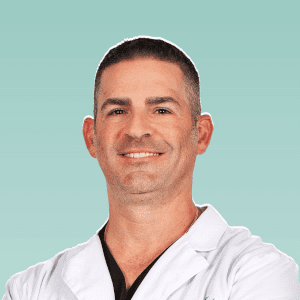
Author: Dr. Joseph Castellano
Dr. Joseph Castellano is a native Floridian who grew up in the Tampa Bay area. After medical school and residency, Dr. Castellano returned home and has opened a practice in Tampa, Florida focusing on breast augmentation, abdominoplasty, liposuction, facelift, and eyelid rejuvenation. He is a member of the American Board of Cosmetic Surgery, American College of Surgeons, and American Medical Association