Surgical scars need broad-spectrum SPF 30 or higher, covered or shaded from direct sun for at least 12 to 18 months after surgery, because new scar tissue has no melanin protection yet and burns or darkens permanently under Tampa's UV index. The hidden cost most patients miss: even a 20-minute walk to the car without coverage on an unhealed scar can trigger hyperpigmentation that lingers for years, not weeks.
- Protect surgical scars from sun with SPF 30+ and physical coverage for 12-18 months post-op, not just a few weeks.
- Tampa’s year-round UV index makes scars 3-6x more prone to permanent darkening than in lower-sun climates.
- Silicone sheeting plus sunscreen outperforms sunscreen alone for fading redness by month 6.
- Scars under 3 months old should get zero direct sun exposure, not just sunscreen.
- Castellano Cosmetic Surgery Center in Tampa reviews scar care at every post-op visit for tummy tucks, breast surgery, and facelifts.
Why this matters
A fresh surgical scar is essentially raw new skin without the pigment-producing cells that normally shield you from UV rays. Expose it to sun in year one and you risk a scar that stays visibly darker or redder than the skin around it, permanently, not just for a season.
Tampa sits at a latitude with a high UV index for most of the year, which means the margin for error is smaller here than it would be in a northern city. Patients recovering from a tummy tuck, breast lift, or facelift in 2026 need a sun plan that accounts for Florida's climate specifically, not a generic scar-care checklist written for somewhere else.
How do you protect a surgical scar from sun damage
The process is simple, but the timing matters more than the products you choose:
- Keep the incision fully covered for the first 2-4 weeks. Clothing, a bandage, or shade — not sunscreen — is the barrier here, since broken or healing skin shouldn't have anything applied directly to it until your surgeon clears it.
- Start SPF 30+ mineral or broad-spectrum sunscreen once the incision is closed and cleared by your surgeon, typically around week 3 to 4.
- Reapply every 2 hours during outdoor exposure, and more often if you're sweating or in and out of water, which is standard sunscreen practice regardless of scar status.
- Add physical coverage — a hat, loose long sleeves, or an umbrella — anytime you're outside between 10am and 4pm, when Florida's UV index peaks.
- Continue this routine for 12 to 18 months, since scar tissue stays more UV-reactive than mature skin well after it looks fully healed.
| Scar age | Sun exposure risk | What to do |
|---|---|---|
| 0-4 weeks | Highest — open or newly closed incision | Full cover, no sunscreen on the wound itself |
| 1-6 months | High — thin, pink, still remodeling | SPF 30+, hats, avoid midday sun |
| 6-18 months | Moderate — maturing but still reactive | SPF 30+ daily, especially at the beach or pool |
| 18+ months | Lower — mature scar tissue | Continue SPF as general skin care |
Scars 0-4 weeks old: zero direct sun exposure
At this stage the incision may still be closing or held with tape or glue, and sunscreen shouldn't touch it at all. Cover it with clothing or a bandage as your surgeon instructs, and skip the beach, the pool deck, and any prolonged time outdoors until your follow-up visit clears you.
Scars 1-6 months old: SPF 30+ is non-negotiable
This is the window where most permanent discoloration happens, because the scar is thin, still forming collagen, and highly reactive to UV. Apply SPF 30 or higher broad-spectrum sunscreen daily, reapply every 2 hours outdoors, and layer on a hat or sleeve whenever you're out between 10am and 4pm.
Scars 6-18 months old: keep the routine going even as it fades
The scar looks better by now, often flatter and lighter, but the pigment cells haven't fully matured. Skipping sunscreen at month 8 because the scar "looks fine" is the most common reason patients see a scar darken again after a beach trip or a week outdoors.
Why scar sun sensitivity varies from patient to patient
- Skin tone — deeper skin tones tend toward more noticeable hyperpigmentation if a scar is sun-exposed too early.
- Scar location — a tummy tuck scar sits low and is easy to keep covered; a facelift or arm lift scar is harder to shield during daily activity.
- Healing timeline — scars that take longer to close (due to tension, infection risk, or incision length) stay UV-reactive longer.
- Sun habits — regular beach, boat, or pool time in Tampa raises cumulative exposure risk compared with mostly indoor routines.
- Sunscreen consistency — daily application beats occasional application, even at the same SPF.
- Scar revision history — a scar that's been revised restarts the sensitive window from zero.
“The scar you see at 6 weeks is not the scar you’ll have at 12 months, and sun exposure in between decides which direction it goes.”
Patients recovering from procedures like a tummy tuck or breast surgery often ask Castellano Cosmetic Surgery Center the same question at their first follow-up: when can I go back to the pool. The honest answer is almost always later than patients expect, especially for anyone healing through a Tampa summer.
Does silicone sheeting help with sun protection too
Silicone sheeting doesn't block UV rays on its own, but it flattens and fades scars faster, which shortens the window a scar stays thin and UV-reactive. Pair it with sunscreen once your incision is cleared rather than using one in place of the other.
How long do surgical scars stay sun-sensitive
Surgical scars stay meaningfully sun-sensitive for 12 to 18 months, sometimes longer for larger incisions or deeper skin tones. The first 6 months carry the highest risk of permanent discoloration if exposed to unprotected sun.
Can you use regular sunscreen on a healed incision
Yes, once your surgeon confirms the incision is fully closed with no open areas, standard broad-spectrum SPF 30+ sunscreen is appropriate. Mineral formulas (zinc oxide or titanium dioxide) tend to cause less irritation on newly healed skin than chemical sunscreens.
Ask about scar care at your consult
Castellano Cosmetic Surgery Center reviews a sun-protection plan at every post-op visit.
What if a scar already darkened from sun exposure
A scar that's already darkened from sun exposure can often be improved with continued strict sun protection plus targeted treatments, though full correction isn't guaranteed. If a scar remains raised, widened, or discolored well past the 12-18 month healing window, scar revision is worth discussing at a follow-up visit.
FAQ
What SPF should you use on a surgical scar?
Use SPF 30 or higher, broad-spectrum, once your surgeon clears the incision as fully closed, typically around 3 to 4 weeks post-op. Mineral sunscreens with zinc oxide tend to irritate healing skin less than chemical formulas.
How long after surgery should you avoid the sun on a scar?
Avoid direct, unprotected sun on a surgical scar for 12 to 18 months, with the strictest avoidance in the first 6 months. Scar tissue lacks the pigment protection mature skin has, so early exposure risks permanent darkening.
Is Tampa sun worse for scars than other places?
Tampa carries a high UV index for most of the year, which raises the risk of scar hyperpigmentation compared with lower-sun climates. Patients recovering from surgery in 2026 during summer months need extra coverage, not just sunscreen.
Can you go to the beach after a tummy tuck or breast lift?
You can return to the beach once your surgeon clears swelling and incision healing, usually several weeks out, but the scar still needs SPF 30+ and shade or coverage for months afterward. Sun exposure without protection at this stage is the leading cause of visible scar discoloration.
Does sunscreen alone prevent scar darkening?
Sunscreen alone helps significantly but works best combined with physical coverage like clothing or shade during peak UV hours, roughly 10am to 4pm. Reapplication every 2 hours outdoors matters as much as the SPF number itself.
What happens if a scar gets sunburned?
A sunburned scar can darken permanently or take much longer to fade back to a normal skin tone. If it happens, stay out of the sun completely until it heals and mention it at your next post-op visit.
Do all surgical scars need the same sun protection?
Most surgical scars follow the same general timeline, but location changes how hard protection is in practice — a tummy tuck scar is easy to cover, while facial or arm scars from a facelift or arm lift are exposed more often during daily life.
One last thing
The single biggest mistake patients make isn't skipping sunscreen, it's assuming a scar that looks faded by month 4 or 5 is done being sensitive. It isn't — the pigment cells that make scar tissue match your surrounding skin tone take a full 12 to 18 months to mature, and one unprotected Tampa afternoon at month 7 can undo progress that took half a year to build. Keep the SPF habit going well past the point the scar looks "fine."
Related guides
- Breast reduction scars: what they look like and how to treat them
- How to minimize scarring after a breast lift in Tampa
- Recovering from surgery in Florida's summer heat
- Treating sun damage on the chest and hands in Tampa
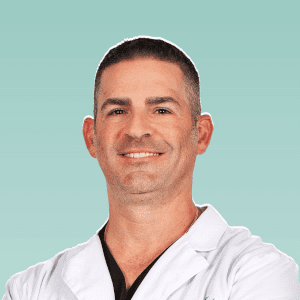
Author: Dr. Joseph Castellano
Dr. Joseph Castellano is a native Floridian who grew up in the Tampa Bay area. After medical school and residency, Dr. Castellano returned home and has opened a practice in Tampa, Florida focusing on breast augmentation, abdominoplasty, liposuction, facelift, and eyelid rejuvenation. He is a member of the American Board of Cosmetic Surgery, American College of Surgeons, and American Medical Association