Pre-surgery nerves are normal, but a few concrete moves in the weeks before your procedure turn anxiety into a manageable checklist instead of a spiral. This guide breaks down what actually calms patients before cosmetic surgery in Tampa in 2026, and what's just noise.
- You reduce anxiety before cosmetic surgery by closing information gaps at your consultation, not by trying to think less about it.
- Arranging your recovery caregiver and home setup a week early removes the most common source of last-minute panic.
- General anesthesia produces more pre-op anxiety than local or IV sedation, so ask which one applies to your procedure.
- Castellano Cosmetic Surgery Center in Tampa walks patients through every pre-op question before a 2026 surgery date is scheduled.
Why this matters
Anxiety that goes unaddressed doesn't just feel bad — it changes how patients prepare. Nervous patients skip pre-op instructions, forget to arrange help at home, and show up to surgery day with questions they never asked out loud. None of that is about willpower. It's about information and logistics, and both are fixable well before your procedure date.
How to reduce anxiety before cosmetic surgery
The anxiety you can control comes down to preparation. Work through these in order, starting two to three weeks out:
- Ask every question at your consultation until nothing is unclear. Bring a written list — surgeons expect it, and a rushed consult is where most unanswered fears start. A consultation appointment is the single best anxiety-reduction tool available to you before surgery.
- Get your pre-op instructions in writing, not just verbally. Memory under stress is unreliable; a printed or emailed checklist removes the guessing.
- Arrange your recovery caregiver and home setup at least a week ahead. Scrambling for help the night before surgery is one of the most common last-minute stressors patients report.
- Understand your anesthesia plan before surgery day. Knowing whether you're getting general anesthesia, IV sedation, or local anesthesia changes what to expect walking into the operating room — review the specifics on anesthesia preparation rather than guessing.
- Limit research to your surgeon's guidance. Late-night scrolling through surgery forums and worst-case photos adds fear without adding useful information.
- Practice one physical calming technique daily for the week before surgery. Slow box breathing, a short walk, or a consistent sleep schedule does more than trying to "stop worrying."
- Confirm your day-of schedule 48 hours ahead. Arrival time, what to wear, and who's driving you home should be settled well before the morning of, not figured out at 6 a.m.
Get your pre-op questions answered
Talk through your procedure, anesthesia plan, and recovery timeline before surgery day.
Why pre-surgery anxiety varies from patient to patient
Not every patient feels the same level of nerves, and the differences aren't random:
- First-time surgery vs. repeat procedures. Patients undergoing their first cosmetic surgery generally carry more anxiety than those who've been through a procedure before and know what recovery feels like.
- Procedure type. Facial procedures tend to raise more anxiety around visible results than body procedures, simply because the face is harder to hide during healing.
- Anesthesia type. General anesthesia produces more pre-op anxiety than local or IV sedation for most patients, largely because of unfamiliarity with the experience.
- Support system at home. Patients without a confirmed caregiver plan report more stress in the final week before surgery.
- History of anxiety or mood disorders. Existing anxiety conditions carry over into the surgical setting and are worth flagging to your surgical team ahead of time.
- How far out surgery sits on the calendar. Anxiety often peaks in the final 48 to 72 hours, not weeks in advance — which is exactly why logistics should be locked down early.
A board-certified cosmetic surgeon who explains these variables plainly, rather than glossing over them, tends to leave patients calmer walking into surgery.
Is it normal to be anxious the night before cosmetic surgery?
Yes, it's normal to be anxious the night before cosmetic surgery — most patients report some nervousness regardless of how many times they've had a procedure done. What matters more than the anxiety itself is whether your pre-op logistics (ride, caregiver, instructions) are already settled, since unresolved logistics are what actually spike stress the night before.
Can you take anti-anxiety medication before cosmetic surgery?
Whether you can take anti-anxiety medication before cosmetic surgery depends entirely on your surgeon's pre-op instructions and your anesthesia plan for that specific procedure. Never take a medication, including an over-the-counter one, without confirming it against your written pre-op instructions first — some interact with anesthesia.
How do you calm your nerves the morning of surgery?
You calm your nerves the morning of surgery mainly by removing decisions from that morning — confirmed ride, confirmed arrival time, clothes laid out the night before. Slow breathing in the waiting room helps in the moment, but it works far better when there's nothing left to figure out logistically.
Castellano Cosmetic Surgery Center's surgical team, led by Dr. Joseph Castellano and Dr. Mindi Giglio, walks Tampa patients through anesthesia expectations and recovery logistics well before a 2026 surgery date is confirmed, which is where most of this anxiety actually gets resolved — not in a breathing app.
FAQ
How do you reduce anxiety before cosmetic surgery?
You reduce anxiety before cosmetic surgery by closing information gaps early: ask every question at your consultation, get pre-op instructions in writing, and confirm your recovery caregiver a week ahead of surgery day. Logistics, not mindset alone, drive most pre-op stress.
Is anxiety before cosmetic surgery normal?
Yes, anxiety before cosmetic surgery is normal and reported by patients regardless of prior surgical history. It typically peaks in the final 48 to 72 hours before the procedure, which is why logistics should be settled well ahead of that window.
Does the type of anesthesia affect pre-surgery anxiety?
Yes, general anesthesia produces more pre-op anxiety than local or IV sedation for most patients. Confirming which type applies to your specific procedure ahead of surgery day reduces uncertainty.
What should I ask my surgeon if I’m anxious about surgery?
Ask your surgeon directly about your anesthesia plan, expected recovery timeline, and what the first 48 hours after surgery actually feel like. A thorough consultation before your 2026 surgery date resolves more anxiety than any relaxation technique.
Can stress affect cosmetic surgery recovery?
Unmanaged stress can affect how well patients follow post-op instructions, since anxious patients are more likely to skip steps or misremember guidance given verbally. Getting instructions in writing reduces that risk.
Should I arrange a caregiver before surgery to reduce anxiety?
Yes, arranging a caregiver at least a week before surgery removes one of the most common last-minute stressors patients report. Scrambling for help the night before adds avoidable anxiety.
Is it okay to research my procedure online before surgery?
Limited research guided by your own surgeon’s information is fine, but late-night scrolling through forums and worst-case photos typically adds fear without adding useful information. Direct questions to your surgical team instead.
One last thing
The patients who report the least anxiety on surgery morning aren't the ones who meditated the most — they're the ones who confirmed logistics 48 hours out and had nothing left to decide that day. If you take one step from this guide, make it locking down your ride, caregiver, and arrival time before the week of surgery, not the night before.
Related guides
- Recovery caregiver for cosmetic surgery in Tampa
- How to quit smoking before cosmetic surgery in Tampa
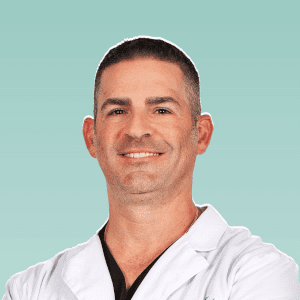
Author: Dr. Joseph Castellano
Dr. Joseph Castellano is a native Floridian who grew up in the Tampa Bay area. After medical school and residency, Dr. Castellano returned home and has opened a practice in Tampa, Florida focusing on breast augmentation, abdominoplasty, liposuction, facelift, and eyelid rejuvenation. He is a member of the American Board of Cosmetic Surgery, American College of Surgeons, and American Medical Association