Picking the right recovery caregiver after cosmetic surgery in Tampa comes down to matching the person's availability and skill set to your specific procedure, not just finding someone willing to drive you home. This guide breaks down what to look for, how the requirement changes by procedure, and when a paid caregiver or recovery house makes more sense than a family member.
- The best recovery caregiver for cosmetic surgery in Tampa is available for the first 24 hours after anesthesia and can stay through the 48 to 72 hour mobility-assistance window.
- Family or friends work for facial procedures and med spa treatments; body procedures like a tummy tuck or mommy makeover usually need someone with fewer competing obligations.
- A professional in-home aide or a Tampa recovery house is the better call for patients without local family or with young kids at home.
- Ask about caregiver requirements at your consultation — procedure type, not personal preference, drives the actual need.
Why this matters
Anesthesia guidelines generally call for a responsible adult to stay with you for the first 24 hours after sedation or general anesthesia — not because something is likely to go wrong, but because judgment, balance, and reaction time stay impaired longer than most patients expect. Skipping this isn't a minor convenience trade-off. Surgery centers routinely require a named caregiver on file before they'll release you, and showing up without one can delay your procedure on the day of surgery.
Beyond that first day, the caregiver question gets more specific to what you had done. A breast augmentation patient managing swelling and arm mobility needs different support than a tummy tuck patient who can't stand fully upright for a week. Getting this wrong means either an under-supported recovery or a caregiver who burns out three days in. If you want a structured backup option, a Tampa recovery house can cover the gap when no one at home fits the role.
How do you choose a recovery caregiver for cosmetic surgery in Tampa?
Run through this checklist before you finalize who's staying with you:
- Confirm availability for the full window, not just surgery day. Most procedures need someone present for 48 to 72 hours minimum, longer for combined procedures like a mommy makeover.
- Check physical capability. Your caregiver needs to help you stand, walk to the bathroom, and get in and out of bed — not just hand you water.
- Ask about comfort with medication schedules. Pain medication and antibiotics on a fixed timer matter more than people assume; a caregiver who forgets doses adds unnecessary discomfort to your first days.
- Rule out anyone who can't recognize red flags. Fever, unusual swelling, or breathing changes need a caregiver who will call the office rather than wait and see.
- Factor in your home layout. Stairs, pets, and young kids change who's actually equipped to help, regardless of how willing they are.
- Talk to your surgical team about it directly. Ask what to expect at your consultation and confirm your specific procedure's caregiver requirements before surgery day, not after.
| Caregiver type | Works best for | Watch-out |
|---|---|---|
| Spouse or family member | Facial procedures, single-area body procedures | May underestimate the physical demands of lifting and mobility help |
| Friend on rotation | Shorter recovery windows, med spa procedures | Coordination gaps between shifts can leave hours uncovered |
| Professional in-home aide | Patients without local family, multi-procedure recoveries | Cost and scheduling need to be arranged well ahead of surgery |
| Tampa recovery house | Out-of-town patients, mommy makeovers, patients with young kids at home | Requires planning drop-off and pickup logistics in advance |
Family or friend caregiver: best for shorter, single-area procedures
A spouse, adult child, or close friend covers most facial procedures and single-area body work without issue, as long as they can commit to the full recovery window instead of just the surgery date. The gap shows up with physically demanding recoveries: someone who hasn't helped a patient stand or manage a drain before can find the first 24 hours more overwhelming than expected. Verdict: fine for facelifts, eyelid surgery, and most injectable-adjacent procedures — confirm real availability before relying on it for a tummy tuck or mommy makeover.
Professional in-home aide: best for solo patients without family nearby
A hired aide fills the gap when you live alone in Tampa or your support network is out of state. Aides bring medication-schedule discipline and physical-assistance experience that a well-meaning friend often lacks. Verdict: worth the arrangement for patients without a built-in caregiver, especially after a tummy tuck or combined procedure where mobility restrictions run a full week or more.
Recovery house or aftercare facility: best for out-of-town or multi-child households
A dedicated recovery house removes the caregiver question entirely by putting trained staff in charge of the first several days. This matters most for patients flying into Tampa for surgery or parents who can't realistically rest while also managing young kids — a situation covered in more detail in how to recover from a mommy makeover with young kids. Verdict: the strongest option when no household caregiver can commit to the full window without competing responsibilities.
Ask about your caregiver requirements
Get procedure-specific recovery guidance before surgery day.
Why caregiver needs vary by procedure
The caregiver requirement isn't one-size-fits-all across the practice's procedure list. A handful of factors change how much support you actually need:
- Mobility restrictions. Tummy tucks and body lifts often limit standing fully upright for days, which changes what a caregiver physically needs to do.
- Drain management. Some body procedures involve surgical drains that need emptying and tracking, a task not every caregiver is comfortable with.
- Anesthesia type. General anesthesia carries a firmer 24-hour supervision expectation than local anesthesia or light sedation used for smaller procedures.
- Combined procedures. Mommy makeovers and other multi-procedure surgeries extend the caregiver window well past a single-procedure recovery.
- Household demands. Young kids, pets, or stairs at home change who's realistically available to help, independent of willingness.
- Distance from Tampa. Out-of-town patients need a plan that doesn't depend on family driving in, which is where a recovery house becomes the practical answer.
Related questions
Do I need a caregiver for non-surgical treatments like Botox or fillers?
No — most injectable and med spa treatments in Tampa don't require a dedicated caregiver since they don't involve sedation or mobility restrictions. Surgical procedures under anesthesia are the ones that require someone present for that first 24-hour window.
How long do I need a caregiver after a tummy tuck?
Most tummy tuck patients need hands-on help for 48 to 72 hours at minimum, with reduced but ongoing support through one to two weeks as mobility restrictions ease. Compression garment management adds another daily task during that stretch — covered in do you really need a compression garment after a tummy tuck.
Can I use a professional caregiver instead of a family member?
Yes — a hired in-home aide is a legitimate substitute for family support, and often a better fit for patients managing medication schedules or physical assistance tasks a friend isn't trained for. The requirement is competence and availability, not a specific relationship to the patient.
FAQ
What’s the best type of recovery caregiver for cosmetic surgery in Tampa?
A family member or friend who can commit the full 48 to 72 hour window works for most single-area procedures in 2026. Body procedures with drains or extended mobility restrictions often do better with a professional aide or recovery house.
Is a recovery house better than a home caregiver in Tampa?
A recovery house is better when no household caregiver can realistically commit to the full recovery window without competing responsibilities. Home caregivers work fine when someone at home has genuine availability and physical capability to help.
How much notice do I need to arrange a professional caregiver before surgery?
Arrange a professional caregiver or recovery house stay well before your surgery date rather than the week of — availability for in-demand aides and recovery facilities in the Tampa area tightens closer to procedure dates. Confirm arrangements at your pre-op appointment.
Do I need a caregiver for Botox or filler appointments?
No, Botox and filler appointments don’t require a dedicated caregiver since there’s no anesthesia or mobility restriction involved. Caregiver requirements apply to surgical procedures done under sedation or general anesthesia.
What happens if I don’t have a caregiver arranged before surgery?
Surgery centers typically require a named caregiver on file before releasing you post-op, and arriving without one can delay your procedure on surgery day. Confirm your caregiver plan during pre-op instructions, not the morning of surgery.
Can my caregiver be someone who works full time?
A working caregiver can manage lighter recoveries if they take the recommended time off for the first 48 to 72 hours, but full-time work schedules rarely align with round-the-clock needs after body procedures. A recovery house or professional aide fills that gap without requiring anyone to take unpaid leave.
How do I know if my caregiver is doing enough?
Your caregiver should be tracking medication timing, helping with mobility, and watching for red-flag symptoms like fever or unusual swelling, not just checking in occasionally. If any of those tasks are being missed, it’s worth arranging additional support before problems compound.
One last thing
The detail patients miss most often isn't who helps them get up from bed — it's who's tracking medication timing during the first 24 hours, when grogginess from anesthesia makes it easy to double up or skip a dose. A caregiver who's simply present but not actively managing that schedule isn't doing the job the surgical team is counting on. Confirm this specific responsibility out loud with whoever is staying with you, whether that's a family member, a hired aide, or staff at a recovery house.
Related guides
- How to manage nausea after anesthesia for cosmetic surgery
- Best supplements to speed healing after cosmetic surgery in Tampa
- How to reduce the risk of blood clots after cosmetic surgery
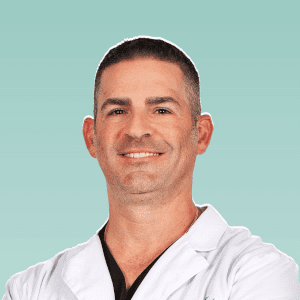
Author: Dr. Joseph Castellano
Dr. Joseph Castellano is a native Floridian who grew up in the Tampa Bay area. After medical school and residency, Dr. Castellano returned home and has opened a practice in Tampa, Florida focusing on breast augmentation, abdominoplasty, liposuction, facelift, and eyelid rejuvenation. He is a member of the American Board of Cosmetic Surgery, American College of Surgeons, and American Medical Association