Tampa's summer heat index tops 100°F from June through September, and that heat changes how your body swells, sweats, and heals after cosmetic surgery. Getting cosmetic surgery recovery right in Florida summer heat means treating your air conditioning, hydration, and sun protection as part of the surgical plan, not afterthoughts you handle once you're home.
- Cosmetic surgery recovery in Florida summer heat means treating AC control and hydration as part of the surgical plan, not an afterthought.
- Tampa’s heat index tops 100°F June through September, making outdoor walks past 9 a.m. a Skip for the first two recovery weeks.
- Compression garments still matter in humidity – switch to breathable fabric instead of removing them early; trapped sweat raises infection risk.
- A recovery environment held at 68-72°F beats inconsistent home AC for the first 5-7 days after body contouring procedures in 2026.
- Scar sun protection is non-negotiable for at least 12 months given Florida’s UV index, which regularly hits 9-11 in summer.
Why this matters
Heat causes blood vessels to dilate, and dilated vessels push more fluid into surgical sites, which means more swelling than a patient recovering in October would see. Humidity above 70%, which is standard in Tampa from May through September, slows how fast sweat evaporates off skin near incisions and drains, raising the chance of skin irritation and infection.
Dehydration compounds the problem. Pain medication, reduced mobility, and AC-cooled indoor air already dry patients out after surgery at Castellano Cosmetic Surgery Center, and Florida heat adds a second layer of fluid loss the moment a patient steps outside. Surgeons who work in Tampa year-round factor this in, which is one reason the best time of year for a mommy makeover in Florida comes up so often in consults – summer surgery is entirely doable, it just needs a tighter plan.
Sun exposure is the third variable. Fresh incisions that see even brief UV exposure in 2026's Florida summer can scar darker and take longer to fade, sometimes permanently.
What you'll need
- Central AC or a window unit capable of holding a room at 68-72°F
- Properly sized, breathable compression garments (not just whatever ships with the surgery kit)
- A large water bottle and a target of 80-100 oz of fluid per day
- Broad-spectrum SPF 30+ for any exposed incision area, even under clothing
- Loose, moisture-wicking clothing for the first two to three weeks
- Someone available to run errands so you're not standing in a hot parking lot
- A thermometer – fever plus Florida humidity makes it harder to tell heat exhaustion from infection by feel alone
The steps
1. Set your recovery room temperature before surgery day
Don't wait until you're home in pain to discover the AC can't hold a room below 78°F. Set the thermostat to 68-72°F the day before surgery and confirm it holds overnight. A room that swings 10 degrees during a Tampa afternoon undoes the swelling control your surgeon built into the post-op plan. Common mistake: relying on a single window unit for a whole house instead of closing off and cooling just the recovery room.
2. Front-load hydration before you're dehydrated
Drink extra water in the 24 hours before surgery, since anesthesia and the Florida heat both pull fluid out of your system fast. Aim for 80-100 oz daily once you're cleared to drink normally again, and add an electrolyte packet if urine runs dark despite regular water intake. Common mistake: waiting until you feel thirsty, which in AC-dried indoor air often means you're already behind.
3. Wear compression garments correctly, even when they feel hot
Garments after procedures like a tummy tuck or breast augmentation control swelling and support healing tissue, and summer heat doesn't change that job. If the fabric feels unbearable, the fix is a breathable, moisture-wicking garment swap through your surgeon's office – not skipping wear time. The compression garment guide covers exactly how long garments need to stay on and what happens when patients cut that short. Common mistake: removing the garment for hours at a time to cool off, which lets swelling rebound.
4. Time any movement for early morning or evening
Short walks matter for circulation and reducing blood clot risk, but a 15-minute walk at noon in July Tampa heat can spike your heart rate and swelling at the same time. Schedule walks before 9 a.m. or after 7 p.m. when temperatures sit 10-15 degrees cooler. Common mistake: skipping walks entirely to avoid the heat, which slows healing more than a hot walk would have hurt it.
5. Protect incisions and scars from UV starting day one
Once incisions close, any sun exposure – even through a car window – can darken healing scar tissue for good. Cover incision areas with clothing or SPF 30+ for a minimum of 12 months, longer if your skin tends to hyperpigment. Common mistake: assuming a shirt alone blocks UV; UPF-rated fabric or actual sunscreen underneath does more.
6. Watch for heat-specific complications, not just standard post-op signs
Swelling that spikes in the afternoon, lightheadedness after brief outdoor time, or a fever paired with heavy sweating all point to heat stress layered on top of normal recovery. Call your surgeon's office rather than waiting it out; in Florida's humidity, dehydration and early infection can look similar in the first 48 hours. Common mistake: chalking every symptom up to "it's just hot out" instead of calling.
7. Build a backup plan for AC outages
Summer in Tampa also means hurricane season, and a multi-day power outage during recovery is a real scenario, not a hypothetical. Line up a generator, a hotel with reliable AC, or a family member's house as backup before surgery, especially in the first two weeks when swelling control matters most. Common mistake: assuming the power will simply come back before it becomes a problem.
Troubleshooting
- Swelling worse than expected in humid weather – elevate the area, ice per your surgeon's protocol, and check that garments still fit; swelling that doesn't respond within 48 hours needs a call to the office.
- Garment feels unbearably hot – switch to a lighter, moisture-wicking compression fabric rather than skipping wear time.
- Dizziness or lightheadedness after being outside – move to an AC room immediately and rehydrate with electrolytes; this is dehydration until proven otherwise.
- Redness around an incision – heat rash from sweat sits flat and fades with cooling; infection-related redness spreads, feels warm, and often comes with fever, and it needs a same-day call.
- Appointments require being outside midday – use a hat, cover incision areas, and keep the car running with AC beforehand so you're not stepping from a hot lot into a hot waiting area.
- Power outage mid-recovery – activate your backup AC plan immediately rather than waiting to see if power returns quickly.
“If your compression garment feels unbearable by noon, that’s a sign to switch fabric, not skip wearing it.”
Tools and resources
Patients who don't want to manage AC, meals, and mobility alone in the first week often use a dedicated setup rather than going straight home. The cosmetic surgery recovery house in Tampa page walks through what that looks like and why it matters more in summer, when home AC inconsistency is the single biggest variable outside your control. Pair that with a properly fitted compression garment and a thermometer, and most of the heat-specific recovery risk is covered.
What to do next
Once the first week is behind you, recovery shifts from heat management to milestone tracking. The tummy tuck recovery week-by-week guide breaks down what changes at week two, four, and six so you know what's normal swelling versus what needs a call, regardless of the season.
FAQ
Is cosmetic surgery recovery harder in Florida’s summer heat?
It requires more active management, not more risk – dehydration and swelling both move faster in 90°F-plus heat and 70%-plus humidity, so hydration and AC control matter more than they would in a cooler month.
What temperature should my recovery room be after surgery?
Hold the room at 68-72°F for at least the first 5-7 days. A room that swings warmer during Tampa afternoons increases swelling and discomfort.
Can you go outside during recovery in Florida summer?
Yes, short walks are encouraged for circulation, but schedule them before 9 a.m. or after 7 p.m. when the heat index drops well below its midday peak.
How much water should you drink after surgery in Florida heat?
Aim for 80-100 oz daily once cleared to drink normally, more if urine runs dark. Add electrolytes if plain water isn’t keeping up with fluid loss.
Do compression garments cause overheating in summer?
They can feel warmer, but the fix is a breathable, moisture-wicking garment, not removing it early. Garments still control swelling regardless of outdoor temperature.
How long do you need to protect scars from Florida sun?
Protect healing incisions for a minimum of 12 months with SPF 30+ or covering clothing. Florida’s UV index regularly hits 9-11 in summer, and early sun exposure can darken scars permanently.
Is a recovery house necessary for summer surgery?
It’s not mandatory, but it removes the biggest heat-related variable – inconsistent home AC – during the week when swelling control matters most.
What are signs of a heat-related complication after surgery?
Afternoon swelling spikes, dizziness after brief outdoor time, or fever with heavy sweating all warrant a same-day call to your surgeon’s office rather than waiting it out.
One last thing
Most patients assume fall and winter are the only smart windows for cosmetic surgery in Florida, but 2026 summer surgery works just as well once AC, hydration, and scheduling around the heat index get built into the plan from day one – the difference is preparation, not the calendar month.
Related guides
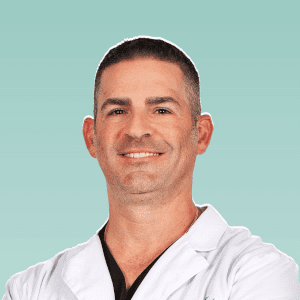
Author: Dr. Joseph Castellano
Dr. Joseph Castellano is a native Floridian who grew up in the Tampa Bay area. After medical school and residency, Dr. Castellano returned home and has opened a practice in Tampa, Florida focusing on breast augmentation, abdominoplasty, liposuction, facelift, and eyelid rejuvenation. He is a member of the American Board of Cosmetic Surgery, American College of Surgeons, and American Medical Association