Planning the best time for mommy makeover florida comes down to four variables: Tampa's climate, your personal recovery window, surgeon availability, and how far out you want to be fully healed before swimsuit season.
TL;DR: In Florida, fall (October–November) is the single best window to schedule a mommy makeover. Temperatures drop below 90°F, humidity eases, and a 6-to-8-week core recovery puts you healed before spring break. Winter (December–January) is a strong second if you can book it before holiday scheduling fills. Summer is the hardest season to manage post-op in Tampa — heat and humidity slow swelling resolution and limit outdoor activity. Castellano Cosmetic Surgery Center's mommy makeover page breaks down which procedures are typically combined in a single session.
Why Timing Actually Changes Your Results
A mommy makeover is not one procedure — it stacks a tummy tuck, breast surgery, and often liposuction into a single OR session. Recovery is 6–8 weeks before you return to normal activity, and 3–6 months before final results are fully visible. In Tampa, that timeline runs directly into the climate calendar. Post-surgical swelling worsens in sustained heat. Compression garments worn in 95°F humidity become a compliance problem. Sun exposure to healing incisions causes permanent hyperpigmentation. The season you pick changes how comfortable your recovery is and how well your scars heal.
How We Ranked the Seasons
Each season was scored on five factors: average Tampa temperature and humidity during peak recovery weeks, surgeon schedule availability based on typical booking patterns in the Tampa cosmetic surgery market, social calendar clearance (no one wants to recover through a family beach vacation), scar sun-exposure risk, and patient-reported comfort from aggregated plastic surgery recovery data. No season is impossible. Two are clearly better.
The Ranked Seasons: Best to Worst for Mommy Makeover in Florida
1. Fall — October through November
The clear first choice. Tampa averages 75–82°F in October and drops into the low 70s by November. Humidity falls from its summer peak. A surgery date in mid-October means you hit the 6-week clearance mark in late November and are fully healed by February — three months before spring break crowds every Tampa beach. Kids are back in school, which gives you the at-home help window most moms need. Surgeon schedules at practices like Castellano Cosmetic Surgery Center tend to have more flexibility in October versus the post-holiday rush.
- Average Tampa high in October: 82°F
- Average Tampa high in November: 75°F
- Recovery milestone alignment: 6-week post-op lands before Thanksgiving
- Scar sun risk: low — you are indoors during peak healing
Verdict: Buy — schedule here first.
2. Winter — December through January
A strong second, with one catch. Florida winters are genuinely mild. Temperatures in December and January average 65–72°F, the lowest sun intensity of the year, and compression garments are far more tolerable. The problem is calendar competition. December consultations often get pushed by holiday travel, and OR dates fill fast as patients who wanted fall get pushed to January. Book your consultation in October if you want a December or January date.
A December surgery date means you are through core recovery by early February and fully cleared for beach activity by April — still ahead of Memorial Day and the height of Tampa's outdoor season.
- Average Tampa high in December: 72°F
- Average Tampa high in January: 70°F
- Scar sun risk: very low
- Booking risk: high demand — slots fill fast
Verdict: Buy — but book 8–10 weeks out minimum.
3. Spring — February through April
Good for results, tight on timing. A February surgery aligns well if you book it by December. You heal through March and April indoors, which keeps incisions away from the sun. The catch: a March surgery date puts your 6-week clearance right in mid-April, just as Tampa beach season ramps up. You will be cleared for most activity, but your scars will be less than 3 months old — well within the window where UV exposure can cause lasting discoloration.
A tummy tuck scar sits low on the abdomen. In a bikini, it gets direct sun. Patients who schedule spring makeovers need to commit to aggressive scar coverage (SPF 50+ and physical barriers) for the entire first beach season.
- Average Tampa high in March: 78°F
- Scar sun risk: moderate-to-high depending on beach activity
- Recovery milestone alignment: 6-week clearance lands in April
Verdict: Hold — works if booked early and you protect scars all season.
4. Summer — June through August
The hardest window in Tampa, full stop. Average highs run 90–92°F with humidity in the 70–80% range from June through August. Compression garments become genuinely difficult to wear consistently, and non-compliance slows swelling resolution and affects contouring results. Every errand — school pickup, grocery run — becomes a heat-management problem during the first 3 weeks when you should not be driving anyway.
Swelling, which typically peaks at weeks 2–3 and resolves slowly over months, is prolonged by heat. Patients who schedule summer makeovers frequently report that their "3-month photos" look less refined than fall-surgery patients at the same milestone, based on aggregated patient outcome data from Florida plastic surgery practices.
Summer is also Tampa's thunderstorm and hurricane season. Tropical weather events occasionally disrupt post-op follow-up schedules.
- Average Tampa high in July: 91°F
- Average humidity: 70–80%
- Scar sun risk: extreme
- Compression garment compliance risk: high
Verdict: Skip — unless your schedule allows no other window.
Comparison Table: Season vs. Key Recovery Factors
| Season | Avg High (°F) | Scar Sun Risk | Compression Comfort | Surgeon Availability | Beach-Ready By |
|---|---|---|---|---|---|
| Fall (Oct–Nov) | 75–82 | Low | High | Good | February |
| Winter (Dec–Jan) | 70–72 | Very Low | High | Moderate (books fast) | April |
| Spring (Feb–Apr) | 75–82 | Moderate | High | Good | June (with coverage) |
| Summer (Jun–Aug) | 90–92 | Extreme | Low | High | September |
Where to Book
Three sourcing rules for Tampa patients:
- Consult before you commit to a date. Your procedure combination (breast augmentation, tummy tuck, liposuction) determines total OR time and recovery length. A 4-hour combined case has a different recovery arc than a 6-hour case. Get the plan confirmed first, then pick the season.
- Book your OR date 8–12 weeks out. Fall and winter slots at established Tampa practices fill well in advance. A September consultation for a November surgery date is realistic. An October consultation for a November date is a stretch.
- Align childcare before you book the date. You need consistent adult help for at least the first 2 weeks post-op. No lifting over 10 lbs for 6 weeks means no picking up small children. Build the childcare calendar first, then match it to the optimal season.
Castellano Cosmetic Surgery Center serves Tampa patients and can walk you through which procedure combination makes sense for your goals at an initial consultation.
FAQ
What is the best time for a mommy makeover in Florida?
Fall — specifically October and November — is the best time. Tampa temperatures drop to the low-to-mid 70s, humidity eases, and a 6-to-8-week recovery puts you fully healed before spring beach season. Winter (December–January) is a close second.
How long does mommy makeover recovery take in Florida?
Core recovery is 6–8 weeks for most procedure combinations. You should plan for 3–6 months before final contour results are visible. In Florida's summer heat, swelling tends to linger longer, which is one reason fall and winter scheduling consistently produces better 3-month photos.
Can I have a mommy makeover in the summer in Tampa?
Yes, but it is the hardest window. Heat above 90°F makes compression garments difficult to wear consistently, and humidity slows swelling resolution. Sun exposure during peak healing also raises the risk of permanent scar hyperpigmentation. If summer is your only option, commit to staying in air conditioning and protecting incisions completely.
How far in advance should I book a mommy makeover in Tampa?
Book 8–12 weeks ahead for fall and winter dates. Those windows fill fastest. Spring dates are easier to secure with 6–8 weeks' notice. A consultation should happen at least 4 weeks before your intended OR date to finalize your procedure plan.
What procedures are included in a mommy makeover?
The most common combination is a tummy tuck (abdominoplasty), breast augmentation or breast lift, and liposuction. Some patients add a Sculptra butt lift or other body contouring. The exact combination is determined at consultation based on your anatomy and goals — see the Castellano Cosmetic Surgery Center blog on mommy makeover procedures, cost, and recovery for a detailed breakdown.
Does Florida's humidity affect healing after a tummy tuck?
Yes. High humidity combined with heat increases the likelihood that patients skip or loosen compression garments early, which directly affects how well the skin retracts and how smoothly the abdominal contour heals. Fall and winter humidity in Tampa is meaningfully lower than summer, making compliance easier.
How soon after a mommy makeover can I go to the beach in Florida?
Most surgeons clear patients for gentle beach activity at 6–8 weeks. However, fresh incisions — especially tummy tuck scars — should not receive direct sun exposure for a minimum of 12 months. A fall surgery date means your scars are 4–5 months old by spring break: still young, but manageable with SPF 50+ and UV-protective swimwear.
Is there a cheaper time of year to book a mommy makeover?
In general, summer OR dates may have slightly more availability at some practices, which can translate to earlier booking. Procedure fees at reputable Tampa practices are not typically discounted by season. The real cost variable is the combination of procedures you choose, not the month.
One Last Thing
Tampa's UV index averages 10–11 from May through September — among the highest in the continental United States. A tummy tuck scar that is less than 12 months old exposed to a UV index of 10 without protection will hyperpigment. That discoloration is far harder to correct than it is to prevent. Scheduling in fall or winter is not just a comfort preference — it puts your most vulnerable healing months in Tampa's lowest-UV window, which is December through February (UV index 5–6). That single fact is the strongest argument for a November surgery date.
Related Guides
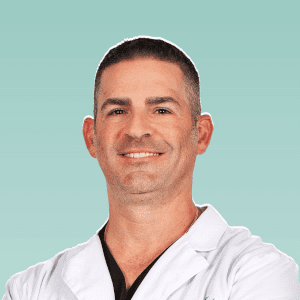
Author: Dr. Joseph Castellano
Dr. Joseph Castellano is a native Floridian who grew up in the Tampa Bay area. After medical school and residency, Dr. Castellano returned home and has opened a practice in Tampa, Florida focusing on breast augmentation, abdominoplasty, liposuction, facelift, and eyelid rejuvenation. He is a member of the American Board of Cosmetic Surgery, American College of Surgeons, and American Medical Association