Rhinoplasty in Tampa is one of the most technically demanding procedures in cosmetic surgery, and what you experience from the first consultation to your final result depends almost entirely on the surgeon and the process behind it. This guide walks through every stage — candidacy, the consult, surgery day, recovery, and what your nose will look like at 3 months versus 12 — so you can walk into a conversation with a surgeon already knowing the right questions.
TL;DR: Rhinoplasty Tampa patients should expect a detailed consult with imaging, surgery lasting 2–4 hours under general anesthesia, a splint for 7–10 days, and 80–90% of visible swelling resolved by week 6. Final results take 12 months. At Castellano Cosmetic Surgery Center, board-certified surgeons perform rhinoplasty with a focus on proportional, natural-looking changes — not dramatic transformation. If you're in the Tampa Bay area and considering rhinoplasty in 2026, this timeline breakdown applies directly to you.
Why Rhinoplasty Decisions Deserve More Preparation Than Most
The nose sits at the center of the face. Small changes — 1–2 mm in bridge height, a few degrees of tip rotation — alter how every other feature reads. That's what makes rhinoplasty uniquely unforgiving compared to procedures like liposuction or breast augmentation, where the margin for adjustment is wider. In 2026, patients have better imaging tools and more surgeon data than ever, but the decision still has to start with a clear understanding of the process — not just the outcome photos.
Rhinoplasty also has one of the longest result timelines of any cosmetic procedure. You won't see your actual nose until a full year post-op. Understanding that cadence before you schedule surgery is not optional — it's how you avoid the anxiety spiral that hits most patients around month 3.
Who Is a Good Rhinoplasty Candidate
The ideal rhinoplasty candidate in Tampa is an adult whose facial growth is complete — typically 18 or older — who is in good general health, a non-smoker (or willing to quit at least 4 weeks before and after surgery), and has specific, articulable concerns about nasal shape or proportion.
Functional issues like a deviated septum that causes breathing problems can sometimes be corrected at the same time as cosmetic rhinoplasty, depending on what your surgeon finds at consultation. Insurance occasionally covers the functional portion; the cosmetic component is always out of pocket.
Patients who do well with rhinoplasty come in with realistic expectations. They want a nose that fits their face better — not someone else's nose. Surgeons consistently report that patients who reference a celebrity photo as a target result are harder to satisfy post-op, because the goal isn't achievable within their own anatomy.
What to Look for in a Rhinoplasty Surgeon in Tampa
Board Certification in the Right Specialty
Rhinoplasty is performed by board-certified plastic surgeons and, in some cases, board-certified facial plastic surgeons. Confirm the certification is through the American Board of Plastic Surgery (ABPS) or the American Board of Facial Plastic and Reconstructive Surgery (ABFPRS). Neither title alone is sufficient — check that rhinoplasty is a documented focus of the practice, not an occasional add-on. At Castellano Cosmetic Surgery Center, both Dr. Joseph Castellano and Dr. Mindi Giglio are board-certified, which matters specifically because rhinoplasty demands the same anatomical depth as any other facial procedure. If you want to understand why certification matters for any cosmetic procedure in Tampa, the board-certified cosmetic surgeon guide covers the key distinctions.
Before-and-After Volume Specific to Rhinoplasty
A surgeon who performs 200 rhinoplasties a year has a fundamentally different eye than one who does 20. Ask how many rhinoplasties the surgeon performs annually and ask to see a gallery of at least 15–20 cases. Look for consistency in outcomes — not just the best results, but the typical results. Revision rates matter too; a revision rate above 10–15% on primary rhinoplasty is a yellow flag.
Imaging and Surgical Planning
Every serious rhinoplasty consult in 2026 uses digital imaging to simulate potential results. This is not a promise — it's a communication tool. If a surgeon skips imaging, they're skipping the most useful part of the consent process. The consult should also include a detailed discussion of your specific anatomy: skin thickness, cartilage structure, and how those factors constrain or enable certain changes.
Open vs. Closed Technique Fluency
Open rhinoplasty uses a small incision across the columella (the tissue between your nostrils) to fully expose the nasal structure. Closed rhinoplasty keeps all incisions inside the nose. Neither is universally superior — the right approach depends on what needs to change. A surgeon who only performs one technique is limiting their options before they've even assessed your anatomy.
Anesthesia and Facility Accreditation
Rhinoplasty in Tampa should be performed in an accredited surgical facility with board-certified anesthesia. Verify the facility is accredited by AAAHC or a equivalent body. This protects you whether the procedure is outpatient or requires an overnight stay.
The Rhinoplasty Consultation: What Actually Happens
A thorough rhinoplasty consult runs 45–75 minutes. Here's what the appointment should cover:
- Medical history and candidacy screening — medications, prior nasal surgeries, breathing issues, smoking status
- Photographic documentation — front, profile, and oblique views taken under standardized lighting
- Digital imaging — the surgeon or a coordinator walks through simulated outcomes based on your stated goals
- Anatomical assessment — the surgeon examines skin thickness and cartilage quality by touch, not just by looking at photos
- Technique discussion — open vs. closed, what structures will be addressed, where incisions go
- Anesthesia plan — rhinoplasty is performed under general anesthesia, and you'll meet with or receive information about the anesthesia team
- Recovery timeline — a realistic walk through what the first 2 weeks, 6 weeks, 3 months, and 12 months look like
- Cost and financing options — a full quote including surgeon fee, anesthesia, and facility fee
Do not leave the consult without a written cost estimate. In Tampa in 2026, rhinoplasty typically ranges from $8,000 to $15,000 all-in, depending on complexity, surgeon experience, and whether a revision to prior work is involved.
Surgery Day: What to Expect
Rhinoplasty is outpatient surgery. You'll arrive 1–2 hours before your scheduled start time for pre-op paperwork, IV placement, and a brief meeting with your anesthesiologist.
Procedure time runs 2–4 hours depending on complexity. A straightforward tip refinement takes less time than a case involving septal work, significant bridge reduction, or revision of a prior rhinoplasty.
You'll wake up in recovery with a splint on your nose and nasal packing or internal splints in some cases. Most patients describe the immediate post-op period as uncomfortable rather than acutely painful — pressure and congestion are the dominant sensations. You'll need a driver and someone to stay with you for the first 24 hours.
The Recovery Timeline: Week by Week
Days 1–3: Swelling peaks. Bruising around the eyes is common and expected. Sleep with your head elevated at 30–45 degrees. No blowing your nose.
Days 4–7: Bruising begins to fade. Some patients return to sedentary work from home by day 5–6. The splint is still on.
Days 7–10: Splint removal. This is usually the first time you'll see your nose without hardware. It will still be visibly swollen — do not judge the result at this point.
Weeks 2–4: Most external bruising is gone. Swelling is still significant at the tip. You can return to non-strenuous work and social activities, but your nose will not look like the final result.
Week 6: Roughly 60–70% of swelling has resolved. Patients cleared for light cardio at this point in most cases.
Months 3–6: The nose looks dramatically better than week 1, but tip swelling — especially in patients with thicker skin — persists. This is the stage where patient anxiety tends to spike. The result is not final.
Month 12: Final result. Thin-skinned patients often see their final result closer to 6 months. Thick-skinned patients may wait the full 12–18 months.
What to Avoid After Rhinoplasty
- Wearing glasses that rest on the nasal bridge for the first 6–8 weeks — this distorts healing cartilage
- Contact sports or activities with collision risk for a minimum of 6 weeks, often longer
- Sun exposure to the nose during the first 3 months — UV exposure affects swelling and scarring
- Judging your result before month 6 — the single most common source of unnecessary distress in rhinoplasty recovery
How Much Does Rhinoplasty Cost in Tampa in 2026
All-in pricing in Tampa for a primary rhinoplasty in 2026 typically falls between $8,000 and $15,000. Revision rhinoplasty — correcting prior work — costs more because the anatomy is more complex and operating time is longer. That range includes surgeon fee, anesthesia, and facility fee. Financing through CareCredit and similar plans is available; a breakdown of financing options for surgical procedures is covered in the cosmetic surgery financing guide.
FAQ
How long does rhinoplasty last?
Rhinoplasty results are permanent. The structural changes made to cartilage and bone do not reverse, though normal facial aging continues over time.
Is rhinoplasty painful?
Most patients report significant pressure and congestion in the first 48 hours rather than sharp pain. Prescription pain management is standard for the first 3–5 days. By day 7, most patients are managing on over-the-counter medication.
What is the best age for rhinoplasty in Tampa?
Surgeons typically require patients to be at least 18 (sometimes 17 with parental consent) to confirm that facial growth is complete. There is no upper age limit, though overall health and healing capacity factor into candidacy for any surgical procedure.
How long does rhinoplasty swelling last?
About 60–70% of swelling resolves by week 6. The remaining swelling — concentrated at the tip — takes 12 months to fully clear, and up to 18 months in patients with thicker skin.
Can rhinoplasty fix breathing problems?
Yes, when combined with a septoplasty to correct a deviated septum. The functional correction may be partially covered by insurance; the cosmetic portion is not. Discuss this specifically at your consult.
Is Tampa a good place to have rhinoplasty?
Tampa has board-certified surgeons with high rhinoplasty case volumes and accredited surgical facilities. The warm climate requires careful attention to sun protection during recovery, but the quality of care available in the Tampa Bay area in 2026 is comparable to any major metro market.
What questions should I ask at a rhinoplasty consultation?
Ask how many rhinoplasties the surgeon performs per year, whether they use open or closed technique and why they'd choose one for your case, what your specific anatomy enables or limits, and what the revision rate looks like for primary procedures in their practice.
Can rhinoplasty be combined with other procedures?
Yes. Rhinoplasty is commonly combined with chin augmentation (to improve facial balance) or performed as part of a broader facial rejuvenation plan. A facelift consult or injectable filler assessment may happen in the same visit depending on your goals.
One Last Thing
The most common regret rhinoplasty patients express is not the surgery itself — it's not waiting long enough to evaluate the result. At the 3-month mark, the nose almost never looks like the simulation from the consult, and that gap produces real anxiety. The surgeons at Castellano Cosmetic Surgery Center are specific about this in pre-op education: the 12-month mark is the result. Everything before that is the process.
Related Guides
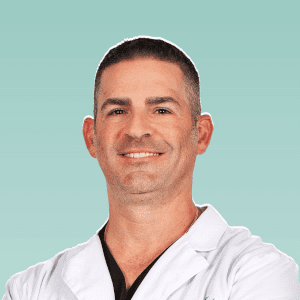
Author: Dr. Joseph Castellano
Dr. Joseph Castellano is a native Floridian who grew up in the Tampa Bay area. After medical school and residency, Dr. Castellano returned home and has opened a practice in Tampa, Florida focusing on breast augmentation, abdominoplasty, liposuction, facelift, and eyelid rejuvenation. He is a member of the American Board of Cosmetic Surgery, American College of Surgeons, and American Medical Association