Flying after plastic surgery isn't just about feeling ready — it's about blood clot risk, swelling, and cabin pressure working against a body that's still healing. The safe window depends on which procedure you had, how long the flight is, and how your recovery is tracking.
- Flying after plastic surgery needs at least 5 to 7 days for short flights after most outpatient procedures in 2026.
- Tummy tucks and mommy makeovers need 2 to 3 weeks before any flight, longer for international trips.
- Flights over 4 hours carry higher blood clot risk after surgery — wait a full 2 weeks minimum.
- Botox and filler patients can fly the same day; no waiting period applies.
- Facelift and breast augmentation patients typically clear for short flights around day 7 to 10.
Why This Matters
Airplane cabins pressurize to an altitude equivalent of roughly 6,000 to 8,000 feet, which lowers the oxygen available in your blood. Combine that with hours of sitting still and recent anesthesia, and you've stacked three separate risk factors for deep vein thrombosis (DVT) — a blood clot that typically forms in the leg and can travel to the lungs.
Surgery itself already raises clotting risk for several weeks afterward. Add a long flight on top of that recovery window and the risk compounds. This is why board-certified surgeons, including Dr. Joseph Castellano and Dr. Mindi Giglio at Castellano Cosmetic Surgery Center, build flight timing into the recovery plan for every surgical patient in Tampa, not as an afterthought but as a specific instruction tied to the procedure performed.
Swelling is the second issue. Cabin pressure changes can worsen post-surgical swelling in the face, breasts, or abdomen, which matters most in the first two to three weeks when tissue is still settling.
What You'll Need
- Written flight clearance from your surgeon, specific to your procedure and surgery date
- Compression garments or TED hose, if recommended for your procedure — see the guide on compression garments after a tummy tuck
- A seat with aisle access for movement, or extra legroom if budget allows
- Prescribed or over-the-counter pain management approved for air travel
- A list of red-flag symptoms (calf swelling, chest pain, shortness of breath) and a plan for urgent care if they appear mid-trip
The Steps
1. Confirm your procedure-specific timeline
Every procedure carries a different clearance window. Botox and filler patients have zero restriction and can fly the same day in 2026. Liposuction and breast augmentation patients typically wait 7 to 10 days for a short flight. Tummy tuck and mommy makeover patients need 2 to 3 weeks minimum, because the abdominal muscle repair and drains involved carry a longer clotting risk window. Common mistake: treating all cosmetic surgery as one category — a facelift and a full tummy tuck do not share the same flight clearance timeline.
2. Get written clearance before you book
Don't book a flight around a guess. Call your surgical team and get a specific date, in writing if possible, tied to your actual healing progress at your last follow-up. Recovery isn't identical for every patient — someone with a smooth breast augmentation recovery timeline might clear for flying a few days earlier than the general guideline, and someone with more swelling might need extra time. Common mistake: assuming a friend's timeline applies to you because you had the same surgery.
3. Prioritize short flights over long-haul for your first trip
A 90-minute flight and a 9-hour transatlantic flight carry very different clot risks. If travel is unavoidable in your early recovery, choose the shortest itinerary available and avoid connecting flights that add hours of total sitting time. Long-haul flights over 4 hours are where the DVT risk climbs fastest after any surgery. Common mistake: booking a long-haul international trip for week 2 because the surgeon said 2 weeks without checking whether that guideline was written for short or long flights.
4. Wear compression garments for the entire flight
Compression garments do real work here: they support venous return in the legs and, for abdominal procedures, keep swelling controlled during pressure changes. Keep them on from boarding to landing, not just for the first hour. Common mistake: packing the garment in checked luggage instead of wearing it through security.
5. Move every 45 to 60 minutes in the air
Get up, walk the aisle, or at minimum flex your ankles and calves in your seat every 45 minutes. This is the single cheapest clot-prevention step available and it costs nothing. Common mistake: staying seated the entire flight because you don't want to disturb a row-mate — ask for the aisle seat specifically so movement isn't a negotiation.
6. Stay hydrated and skip alcohol
Cabin air is dry, and dehydration thickens blood, adding another variable to clot risk on top of surgery and immobility. Skip the in-flight cocktail and drink water steadily instead. Common mistake: using an alcoholic drink to relax before a flight when you're still in a post-surgical recovery window.
7. Watch for symptoms for 72 hours after landing
Clot risk doesn't end when the wheels touch down — symptoms can appear up to three days after a long flight. Calf swelling, redness, warmth, or chest pain and shortness of breath are emergency signs, not wait-and-see symptoms. Common mistake: dismissing calf pain as just soreness from sitting instead of calling your surgeon or going to urgent care.
Confirm your flight timeline
Get a recovery plan specific to your procedure and travel date.
Troubleshooting
- Swelling increases after landing. Elevate the treated area, keep the compression garment on, and hydrate — if swelling is paired with pain or heat, call your surgeon the same day.
- You need to travel before your cleared date. Ask about a lower-dose blood thinner protocol or compression-only travel with your surgeon — never fly against a specific written restriction.
- You had a tummy tuck and drains are still in. Flying with drains is generally not recommended; wait until drains are removed and your surgeon confirms clearance.
- You're flying for a work obligation you can't move. Choose the shortest possible route, book an aisle seat, and set a phone alarm to move every 45 minutes.
- Calf pain shows up mid-flight. Flag a flight attendant, move if you can, and get evaluated at the destination even if symptoms fade — DVT can be silent between episodes.
Tools and Resources
- Compression garment guidance after a tummy tuck — what garments do and how long to wear them
- Breast augmentation recovery timeline, week by week — matching your recovery week to a flight date
- Recovering from surgery in Florida's summer heat — relevant if you're flying into or out of Tampa during peak heat months
What to Do Next
Book nothing until your surgeon confirms your specific clearance date in writing. If you're weighing a tummy tuck, mommy makeover, or breast augmentation against a fixed travel date already on the calendar, say so at your consult — Dr. Castellano and Dr. Giglio can sequence your procedure timeline around it rather than forcing a rushed recovery.
FAQ
How soon after breast augmentation can you fly?
Most patients clear for a short flight around 7 to 10 days after breast augmentation, with long-haul flights pushed to 2 weeks. Swelling and arm movement restrictions factor into the exact date your surgeon sets.
Is it safe to fly after a tummy tuck?
Flying after a tummy tuck is generally cleared at 2 to 3 weeks, not before drains are removed. The abdominal muscle repair involved carries a longer clotting risk window than smaller procedures.
How long after liposuction can you fly?
Liposuction patients typically wait 7 to 10 days for a short flight in 2026, longer if larger areas were treated. Compression garments should stay on for the entire flight.
Can you fly after Botox or filler?
Yes, Botox and filler carry no flight restriction and patients can fly the same day. There’s no incision, drain, or general anesthesia involved that would raise clotting risk.
What happens if you fly too soon after plastic surgery?
Flying too soon raises deep vein thrombosis risk and can worsen swelling due to cabin pressure changes. In serious cases a clot can travel to the lungs, which is a medical emergency.
Do compression garments actually help on flights after surgery?
Yes, compression garments support venous return in the legs and reduce swelling during pressure changes, which lowers clot risk on a flight. They should be worn for the full duration of travel, not just takeoff and landing.
How long after a facelift can you fly?
Facelift patients typically clear for a short flight around 7 to 14 days depending on swelling and bruising progress. Long-haul travel is usually pushed further out to protect healing incisions near the ears and hairline.
Is blood clot risk higher after cosmetic surgery flights?
Yes, surgery and air travel are two independent risk factors for DVT, and combining them within the same recovery window compounds that risk. Flights over 4 hours carry the highest added risk when taken too soon after a procedure.
One Last Thing
The detail most patients miss: DVT symptoms can show up up to 72 hours after landing, not just during the flight. If your calf feels warm, swollen, or tender two days after a trip you took during recovery, that's not a just walked too much symptom — call your surgeon the same day.
Related Guides
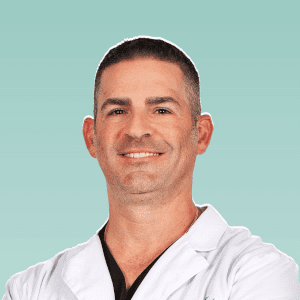
Author: Dr. Joseph Castellano
Dr. Joseph Castellano is a native Floridian who grew up in the Tampa Bay area. After medical school and residency, Dr. Castellano returned home and has opened a practice in Tampa, Florida focusing on breast augmentation, abdominoplasty, liposuction, facelift, and eyelid rejuvenation. He is a member of the American Board of Cosmetic Surgery, American College of Surgeons, and American Medical Association