Post-laser skin needs a narrower routine than your normal regimen — the wrong step in the first 48 hours can turn a good result into weeks of irritation or unwanted pigment. This guide walks through what to do, in order, after IPL, laser resurfacing, laser hair removal, or tattoo removal sessions in Tampa's climate.
- Skip retinoids, AHAs, and fragrance for 5-7 days after any laser session — this is the core of skin care after laser treatment Tampa patients need to follow.
- SPF 30+ mineral sunscreen, reapplied every 2 hours outdoors, is non-negotiable in Tampa’s UV index through 2026.
- Let peeling or flaking skin shed on its own — picking extends healing by days and raises scarring risk.
- Ice or cool compresses in the first 24-48 hours control swelling faster than any topical product.
Why This Matters
Laser treatments work by controlled injury to the skin — heat, light energy, or both — and the healing window afterward determines whether you get smooth, even results or a setback. Tampa's UV exposure runs high nearly year-round, which makes sun discipline the single biggest factor in post-laser outcomes here compared to less sunny markets.
At Castellano Cosmetic Surgery Center, patients coming off laser hair removal, IPL, or resurfacing sessions get the same instruction: the first 48 to 72 hours set the tone for the whole healing timeline. Rush it, and you risk hyperpigmentation that takes months to fade instead of days.
What You'll Need
- A fragrance-free, non-foaming cleanser (skip anything with salicylic acid or benzoyl peroxide for now)
- Broad-spectrum SPF 30 or higher, mineral-based (zinc oxide or titanium dioxide)
- A bland, ceramide-based moisturizer — no retinol, no vitamin C serum, no exfoliating acids
- A soft washcloth or gel-based cold compress
- A wide-brimmed hat and UPF clothing if you're going outside within two weeks
- 5 to 7 days without makeup, if your provider recommends it for your specific treatment
The Steps
1. Cool the treated area within the first hour
Heat lingers under the skin after laser energy hits it, and cooling it down controls swelling before it peaks. Use a cold compress or ice wrapped in a clean cloth for 10 to 15 minutes at a time, several times in the first few hours. Skip ice packs directly on bare skin — that causes its own irritation. Expect redness to drop noticeably within 24 hours; if swelling is still increasing after that window, that's your cue to call the office.
2. Pause every active ingredient for 5 to 7 days
Retinoids, AHAs, BHAs, and vitamin C serums all increase sensitivity, and layering them onto laser-treated skin is the fastest way to end up red and irritated for a week longer than necessary. Stick to a bland cleanser and a simple moisturizer during this window. Most patients can reintroduce actives around day 7 to 10, but confirm the timeline with your provider since it varies by treatment intensity.
3. Apply SPF 30+ every single morning, no exceptions
UV exposure on healing skin is the number one cause of post-laser hyperpigmentation, and Tampa's sun makes this step harder to skip than it should be. Use a mineral sunscreen rated SPF 30 or higher, apply it as the last step of your morning routine, and reapply every 2 hours if you're outdoors. Patients who skip this step are the ones who show up at follow-up with dark patches that weren't part of the plan.
4. Keep the skin barrier hydrated, not stripped
Dry, tight skin heals slower and flakes unevenly, so a simple ceramide or hyaluronic acid moisturizer applied twice daily supports the barrier while it repairs itself. Avoid anything with alcohol high on the ingredient list — it dries the surface further right when you need moisture retention. Expect skin to feel noticeably less tight by day 3 or 4 if you're moisturizing consistently.
5. Avoid heat, sweat, and friction for 48 hours
Saunas, hot showers, intense workouts, and tight clothing over the treated area all raise blood flow and inflammation right when you're trying to calm it down. Lukewarm showers and loose clothing are the rule for the first two days. Patients who go straight back to hot yoga or a long run tend to see prolonged redness that takes an extra 3 to 4 days to settle.
6. Let peeling or flaking shed on its own
Some laser treatments — especially resurfacing — cause visible flaking around day 3 to 5, and picking at it is the single most common mistake patients make. Peeling skin protects the new layer underneath; pulling it off early increases the odds of an uneven texture or a scar. Let it come off in the shower with gentle water pressure instead.
7. Book your follow-up within 2 weeks
Most providers want eyes on the treated area within 10 to 14 days to confirm healing is on track and adjust the plan for a next session if one's needed. This is also when your provider checks whether pigment changes are settling normally or need intervention. Skipping this step means catching a problem later than you should.
Troubleshooting
- Redness lasting more than 72 hours — Confirm you're not using a retinoid or exfoliant by accident; if the routine is clean and redness persists, call the office rather than waiting it out.
- Blistering or open skin — This is not typical peeling and needs a same-day call to your provider, not a home remedy.
- Dark patches appearing around week 2 — Almost always sun exposure without adequate SPF; a soothing, barrier-repairing ingredient like centella asiatica, discussed in detail in this breakdown of soothing cica ingredients, pairs well with strict sun avoidance to calm the area while pigment settles.
- Itching that won't quit — A cool compress and a bland moisturizer usually settle it; scratching risks scarring, so hands off.
- Breakouts from a new moisturizer — Switch to a lighter, oil-free formula rather than stopping moisturizer altogether — bare skin heals slower.
- Uneven fading or missed spots — Normal after a single laser hair removal or IPL session; most treatment plans run 4 to 6 sessions before full results show.
Tools and Resources
A few specific reads make the aftercare plan easier to follow depending on which laser treatment you had:
- Laser skin resurfacing covers cost and downtime expectations if you're weighing resurfacing against lighter options.
- IPL photofacial breaks down what the treatment addresses and typical pricing for 2026.
- Tampa's climate adds its own complications to any recovery — recovering from surgery in Florida's summer heat applies directly to laser aftercare timing too.
Questions about your laser aftercare plan?
Get personalized guidance from the Castellano Cosmetic Surgery Center team.
What to Do Next
If you're still deciding which laser treatment fits your skin concern, microneedling vs. laser resurfacing lays out how the two compare on downtime and results before you book anything.
FAQ
What’s the best skin care after laser treatment in Tampa?
The best routine after laser treatment in Tampa combines a bland cleanser, ceramide moisturizer, and SPF 30+ mineral sunscreen while skipping retinoids and acids for 5 to 7 days. Tampa’s year-round UV exposure makes the sunscreen step the one patients can’t skip.
How long should you avoid the sun after a laser treatment?
Strict sun avoidance for at least 2 weeks is standard, with diligent SPF 30+ use continuing well beyond that. Skipping sun protection is the top cause of post-laser hyperpigmentation.
Is it normal for skin to peel after laser resurfacing?
Yes, peeling between day 3 and 5 is expected after most resurfacing treatments and should be left to shed on its own. Picking at peeling skin raises the risk of uneven texture or scarring.
Can you wear makeup after an IPL photofacial in Tampa?
Most providers recommend skipping makeup for 24 to 48 hours after IPL to avoid introducing bacteria or irritation to treated skin. Check with your specific provider since timelines vary by treatment intensity.
How soon can you exercise after laser skin treatments?
Wait at least 48 hours before intense exercise, sauna use, or hot showers after a laser treatment. Sweat and heat both raise inflammation right when the skin is trying to calm down.
What SPF should you use after laser hair removal?
SPF 30 or higher, mineral-based, applied daily and reapplied every 2 hours outdoors, is the standard recommendation after laser hair removal. Unprotected sun exposure on treated skin can cause dark or light patches.
How much does laser skin resurfacing cost in Tampa in 2026?
Cost varies by treatment depth and area treated, with full pricing details covered on the practice’s laser skin resurfacing page. Get a specific quote at consultation since every treatment plan is different.
When should you call your provider after a laser treatment?
Call if you notice blistering, swelling that increases after 24 hours, or redness lasting beyond 72 hours. These are outside the range of normal healing and need a same-day check.
One Last Thing
The most overlooked step isn't a product — it's timing your laser session around your calendar. Booking resurfacing or IPL right before a beach trip or an outdoor event in 2026 sets up a conflict between what the skin needs (strict sun avoidance) and what the plan calls for, so build in at least 2 weeks of downtime before any sun-heavy plans.
Related Guides
- How to prepare for laser tattoo removal in Tampa
- Laser hair removal for ingrown hairs in Tampa
- PicoWay tattoo removal in Tampa: cost and sessions needed
- Brazilian laser hair removal in Tampa: what to expect
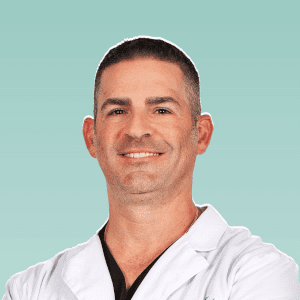
Author: Dr. Joseph Castellano
Dr. Joseph Castellano is a native Floridian who grew up in the Tampa Bay area. After medical school and residency, Dr. Castellano returned home and has opened a practice in Tampa, Florida focusing on breast augmentation, abdominoplasty, liposuction, facelift, and eyelid rejuvenation. He is a member of the American Board of Cosmetic Surgery, American College of Surgeons, and American Medical Association