Blood clots after cosmetic surgery are rare but preventable, and the steps that lower your risk start weeks before you ever reach the operating room. This guide breaks down what actually reduces deep vein thrombosis (DVT) and pulmonary embolism (PE) risk, based on standard surgical protocol used across plastic surgery practices.
- Blood clots after cosmetic surgery are reduced most by early walking, compression therapy, and stopping nicotine and hormonal medications before your procedure.
- The first 2 weeks after surgery carry the highest DVT risk, especially after tummy tucks and combined body contouring.
- Quitting smoking at least 4 weeks before surgery is standard practice at Castellano Cosmetic Surgery Center to lower clot and healing complications.
- Surgeries longer than 4 hours and combined procedures raise clot risk more than any single factor alone.
- Compression garments and sequential compression devices are routine, not optional, for moderate and high-risk patients.
Why This Matters
A blood clot that forms in the leg after surgery can travel to the lungs. That is a pulmonary embolism, and it is the complication surgeons plan around most carefully when scheduling anesthesia time, positioning patients in the OR, and setting recovery instructions.
Most cosmetic surgery patients are healthy adults with low baseline risk. But certain procedures — tummy tucks, body lifts, and any surgery combined with liposuction — extend time under anesthesia and reduce mobility afterward, both of which raise clot risk. Knowing what you control before and after surgery matters more than knowing the statistics.
Before your procedure, your surgeon should walk you through how to quit smoking before cosmetic surgery, since nicotine constricts blood vessels and is one of the more modifiable clot risk factors patients bring into surgery.
How to Reduce Blood Clot Risk After Cosmetic Surgery
Clot prevention is a three-phase process: what happens before surgery, what your surgical team does during it, and what you do in the first two weeks of recovery. Skipping any phase weakens the others.
Before Surgery: Lowering Your Baseline Risk
- Stop smoking and vaping at least 4 weeks before your surgery date. Nicotine narrows blood vessels and slows circulation, both of which raise clot risk and impair healing.
- Pause estrogen-based birth control or hormone replacement therapy on your surgeon's timeline, typically several weeks out, since estrogen increases clotting factors in the blood.
- Disclose any personal or family history of blood clots, miscarriage, or clotting disorders. This changes your risk category and may change your surgical plan.
- Get cleared on your BMI and overall health before combining procedures. A mommy makeover or extended tummy tuck under one anesthesia session carries more risk than a single, shorter procedure.
- Ask about a formal risk assessment. Many surgical practices use a validated scoring tool (the Caprini score is the most widely used) to sort patients into low, moderate, and high-risk categories and adjust prevention measures accordingly.
During Surgery: What Your Surgical Team Controls
Your surgeon and anesthesia team manage several clot-prevention measures you won't see but should ask about at your consultation:
- Sequential compression devices (SCDs) wrapped around your calves during surgery, which mechanically pump blood back toward the heart while you're immobile under anesthesia.
- Proper positioning and padding to avoid pressure points that slow circulation in the legs.
- Surgical time management. Procedures kept under 4 hours generally carry lower clot risk than longer combined surgeries — this is one reason surgeons stage very extensive combination procedures instead of doing everything in one long session.
- Blood-thinning medication for high-risk patients, used selectively and only when the surgeon determines the clot-prevention benefit outweighs bleeding risk.
After Surgery: The First Two Weeks Matter Most
The highest-risk window for a blood clot is the first 14 days after surgery, when swelling is highest and mobility is lowest. This is where most of your control lives:
| Action | Why it matters | Timing |
|---|---|---|
| Walk short distances | Keeps blood moving through the legs | Every 1-2 hours while awake, starting the day of surgery |
| Wear compression garments | Supports circulation and reduces swelling | As directed, often continuously for 1-2 weeks |
| Stay hydrated | Thicker, dehydrated blood clots more easily | Throughout recovery |
| Avoid long car rides or flights | Prolonged sitting is a known clot trigger | Follow your surgeon's specific clearance |
| Take prescribed blood thinners if ordered | Directly reduces clot formation for higher-risk patients | Exactly as prescribed, no early stopping |
Patients recovering from a tummy tuck often ask whether the compression garment after tummy tuck is really necessary. For clot prevention specifically, yes — it's one of the few post-op tools that does double duty for swelling control and circulation support.
Have questions about your surgical risk?
Discuss your health history and risk factors before scheduling.
Why Blood Clot Risk Varies From Patient to Patient
No two patients carry the same risk profile. The factors below are the ones that most consistently shift a patient from low-risk to moderate- or high-risk category:
- Procedure type and length. Body contouring surgeries (tummy tucks, body lifts, combined liposuction) carry higher risk than shorter facial procedures.
- Combined or staged surgeries. Stacking multiple procedures under one anesthesia session extends immobility time.
- Smoking or vaping history. Active nicotine use is one of the most modifiable risk factors and one surgeons screen for directly.
- Hormonal medication use. Birth control pills and hormone replacement therapy both raise clotting factor levels.
- Personal or family clotting history. A prior DVT, PE, or known clotting disorder changes the entire prevention plan.
- Air travel immediately before or after surgery. Sitting for extended periods compresses leg veins and is a well-documented clot trigger independent of surgery itself.
For patients planning to travel for their procedure, this is worth reading before booking: how long after plastic surgery can you fly.
Related Questions
What Are the Warning Signs of a Blood Clot After Surgery?
The main warning signs of a blood clot after surgery are leg swelling, warmth, redness, and pain that doesn't match your expected recovery pattern, usually in one leg more than the other. Sudden shortness of breath, chest pain, or a rapid heartbeat can signal the clot has moved to the lungs and requires emergency care immediately.
How Long After Cosmetic Surgery Are You At Risk for Blood Clots?
The highest-risk window is the first 14 days after cosmetic surgery, though some elevated risk can persist for several weeks depending on the procedure. Patients undergoing longer body-contouring surgeries in 2026 are typically counseled to maintain compression and mobility habits through the full two-week mark, not just the first few days.
Do Compression Garments Actually Prevent Blood Clots?
Compression garments support circulation and reduce swelling, which contributes to clot prevention, but they work alongside walking and hydration rather than replacing them. Surgeons pair garments with sequential compression devices during surgery and early ambulation afterward for the fullest protective effect.
FAQ
How common are blood clots after cosmetic surgery?
Blood clots after cosmetic surgery are uncommon in healthy, low-risk patients, and risk rises with longer combined procedures, smoking history, and hormonal medication use. A pre-surgical risk assessment identifies which category a patient falls into before scheduling.
What is the best way to prevent a blood clot after a tummy tuck?
Walking every 1-2 hours starting the day of surgery, wearing your compression garment as directed, and staying hydrated are the most effective steps after a tummy tuck. Surgeons also use sequential compression devices during the procedure itself.
Should I stop smoking before cosmetic surgery to reduce clot risk?
Yes, stopping smoking at least 4 weeks before cosmetic surgery is standard guidance because nicotine narrows blood vessels and raises clot risk. It also slows wound healing, so the benefit extends beyond clot prevention alone.
Can birth control increase blood clot risk during surgery?
Estrogen-based birth control and hormone replacement therapy both raise clotting factor levels in the blood, which is why many surgeons ask patients to pause these medications before surgery. Your surgeon will set the exact timeline based on your procedure and health history.
Is it safe to fly right after cosmetic surgery?
Flying soon after cosmetic surgery is generally discouraged because prolonged sitting compresses leg veins and raises clot risk on top of surgical risk. Most surgeons set a specific waiting period based on procedure type before clearing air travel.
What does a surgeon do during surgery to prevent blood clots?
Surgical teams use sequential compression devices on the calves, careful patient positioning, and time-conscious surgical planning to reduce blood clot risk during surgery. High-risk patients may also receive blood-thinning medication based on a formal risk score.
How soon should I walk after cosmetic surgery?
Most patients are encouraged to walk short distances within hours of surgery and every 1-2 hours while awake afterward. Early movement is one of the single most effective clot-prevention habits available to patients.
One Last Thing
The factor patients underestimate most is air travel timing, not the surgery itself. A patient who does everything right in the operating room and recovery room can still raise their own risk by booking a long flight home too soon — sitting still for hours compresses leg veins in a way that mimics the exact immobility surgeons are working to prevent post-op.
Related Guides
- How to quit smoking before cosmetic surgery in Tampa
- Compression garment after tummy tuck: do you really need it?
- How long after plastic surgery can you fly
- How to prepare for anesthesia before cosmetic surgery in Tampa
- Tummy tuck recovery week by week: what to expect
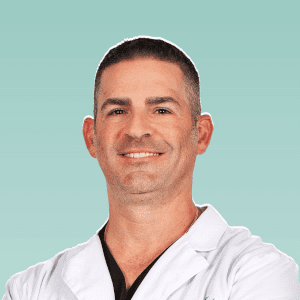
Author: Dr. Joseph Castellano
Dr. Joseph Castellano is a native Floridian who grew up in the Tampa Bay area. After medical school and residency, Dr. Castellano returned home and has opened a practice in Tampa, Florida focusing on breast augmentation, abdominoplasty, liposuction, facelift, and eyelid rejuvenation. He is a member of the American Board of Cosmetic Surgery, American College of Surgeons, and American Medical Association